“There Must Be More Than This”
For many nurses, this thought arrives quietly; often at the end of a long shift, during another missed break, or after giving everything to patients while feeling there’s nothing left for yourself.
You may feel burnt out, carrying emotional weight day after day.
You may feel undervalued, despite years of training, responsibility, and compassion.
You may feel overworked, stretched across understaffed wards and relentless rotas.
You may feel financially capped, knowing your dedication will never translate into real financial freedom.
And you may feel emotionally exhausted, questioning how long you can keep giving without receiving.
If you’ve ever thought “There must be more than this”, you are not alone and you are not weak for thinking it. For an increasing number of nurses, that “more” is found in aesthetic medicine. Not as an escape from nursing, but as a natural evolution of it.
Through botox courses for nurses and high-quality aesthetic training for nurses, many are discovering a clinical pathway where their skills are not just transferable; they are deeply valued.
This isn’t about abandoning care. It’s about finding a way to care for patients and yourself.
Why Nurses Make Outstanding Aesthetic Practitioners
Aesthetic medicine doesn’t require nurses to reinvent themselves. In truth, it rewards the very skills you’ve spent years refining.
Advanced Patient Assessment Skills
Nurses are trained to assess holistically; medical history, contraindications, lifestyle factors, and patient expectations. This is the backbone of safe and ethical aesthetic practice.
In-Depth Anatomy Knowledge
From facial muscles to vascular structures, nurses already understand anatomy in a way few others do. This makes learning injectables not intimidating, but logical.
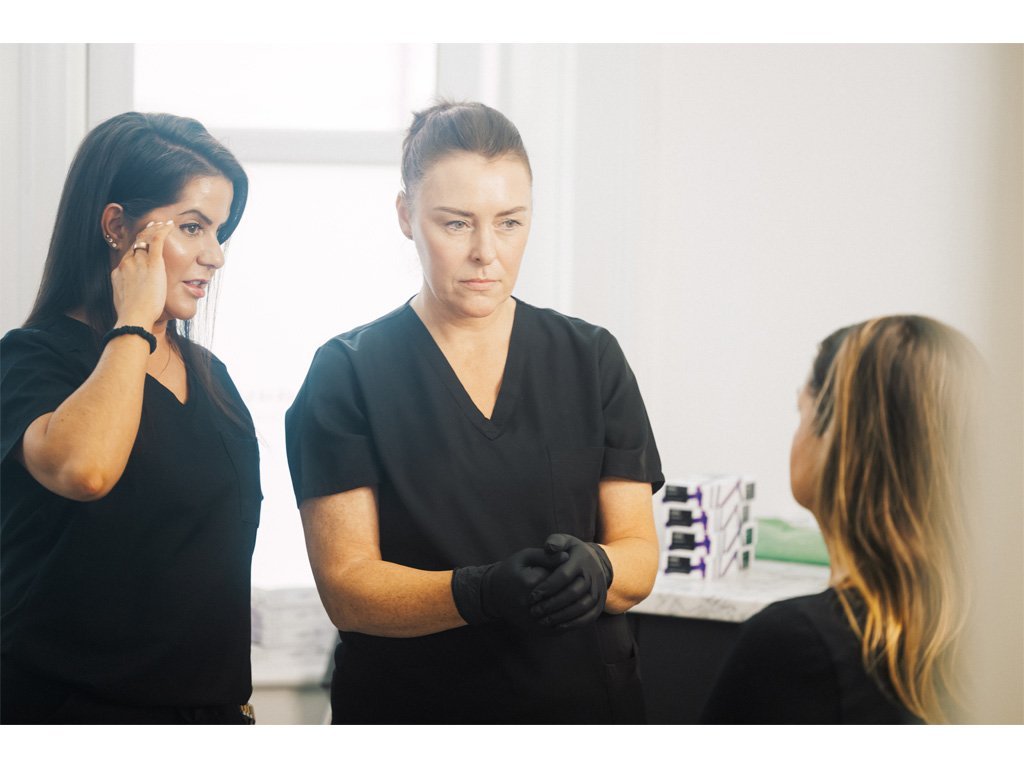
Communication, Consent, and Ethics
Explaining procedures, managing expectations, gaining informed consent; these are second nature to nurses. In aesthetics, this communication builds trust and ensures patient safety.
A Safety-First Clinical Mindset
Aesthetic medicine may be private, but it is still medicine. Nurses bring governance, infection control, and risk awareness into every treatment.
Emotional Intelligence
Patients often come to aesthetics seeking confidence, reassurance, and understanding. Nurses excel at reading emotional cues and responding with empathy. This is why leaving the NHS for aesthetics isn’t a step away from nursing values; it’s a continuation of them in a new environment.
What Botox & Filler Training Opens Up for Nurses
Botox and filler courses UK-wide are not just about learning techniques. They open doors to a different way of working and living.
1. Control Over Your Time
No more rotas set months in advance.
No night shifts or mandatory overtime.
Aesthetic nurses can work part-time, full-time, evenings, or weekends (on their terms).
2. Improved Work–Life Balance
With control over your schedule comes rest.
Time with family.
Time to recover emotionally.
Time to remember who you are outside of your uniform.
For many nurses, this balance alone feels life-changing.
3. Better Financial Stability
Aesthetics removes the ceiling imposed by NHS banding. Earnings are linked to skill, experience, and confidence; not years served. Whether working in a private clinic or building your own practice, aesthetic medicine offers genuine financial progression and autonomy.
4. A Slower, More Positive Clinical Environment
One patient at a time.
Unrushed consultations.
Visible, confidence-boosting results. Instead of crisis management, you experience proactive care; where patients leave feeling uplifted, heard, and grateful.
What Nurses Should Look for in a Training Academy
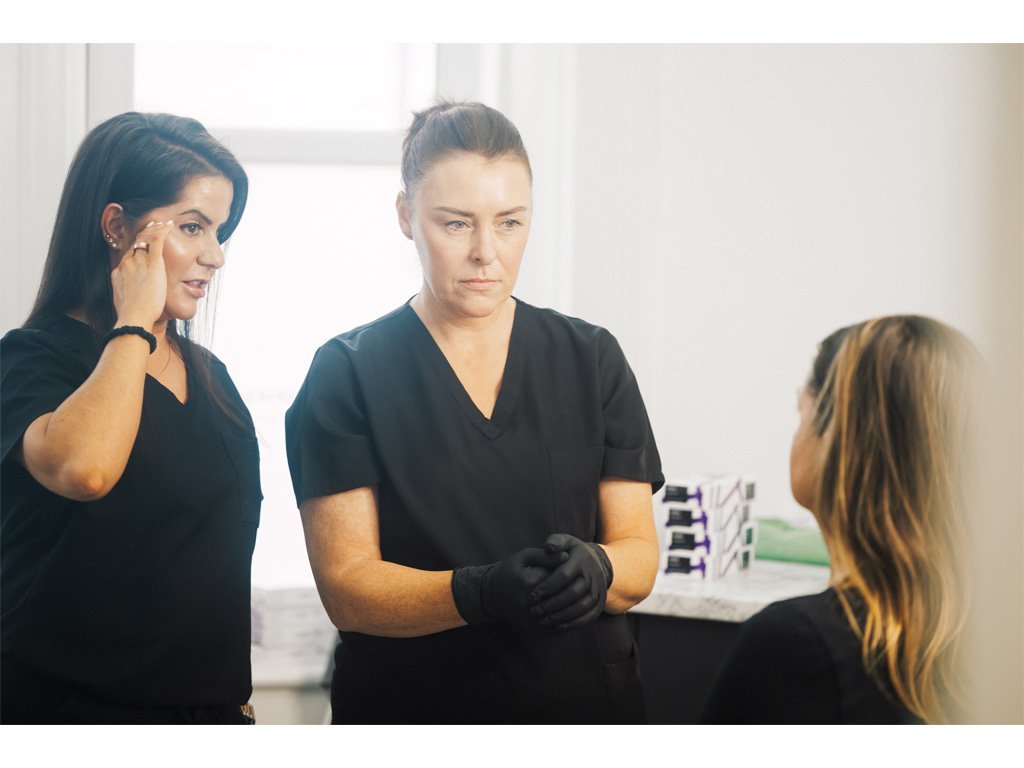
Not all aesthetic training is created equal. For nurses, quality and safety must come first. When researching nurse aesthetic training in Scotland or elsewhere in the UK, look for:
- Medical-led teaching with experienced clinicians
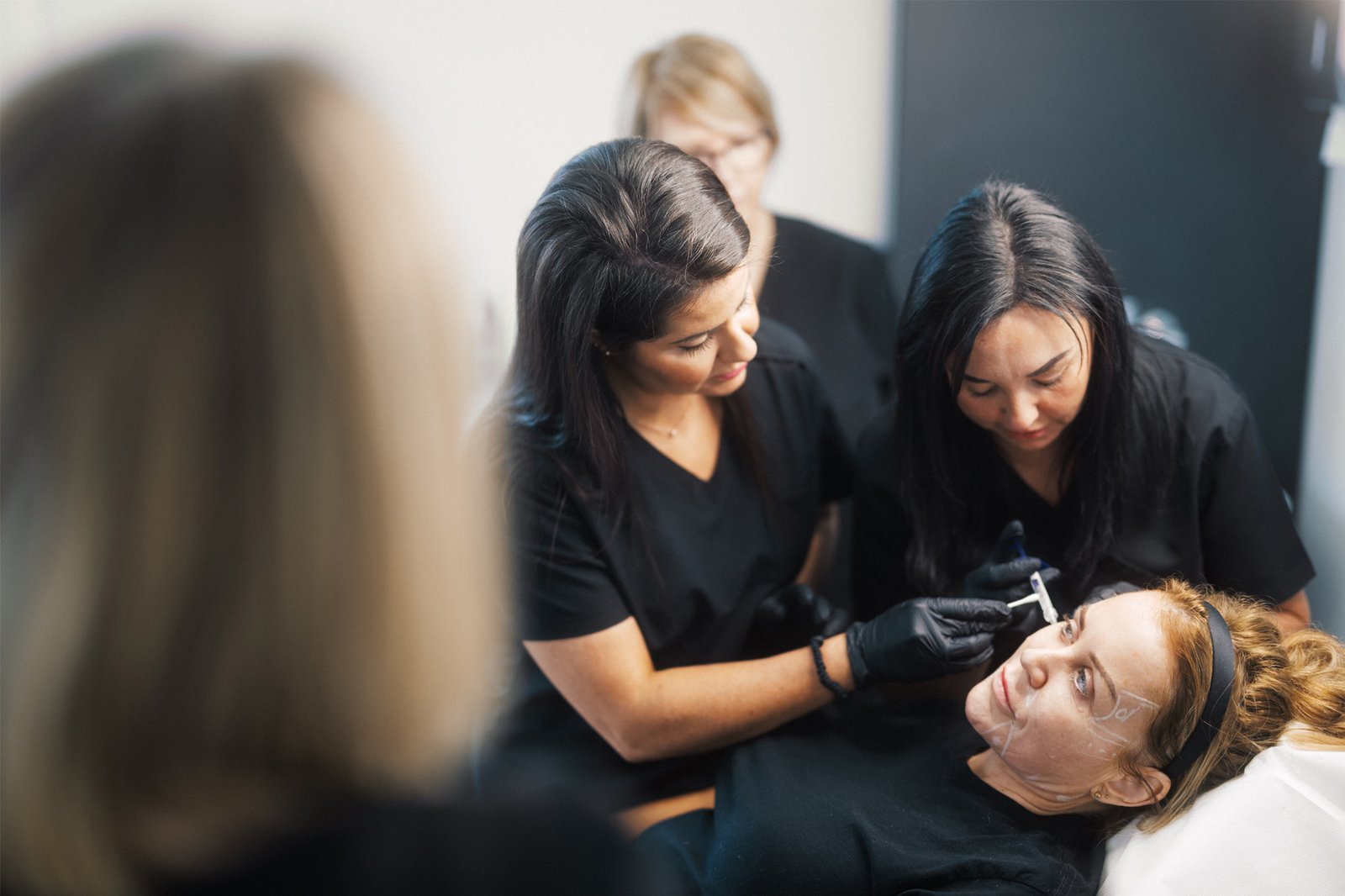
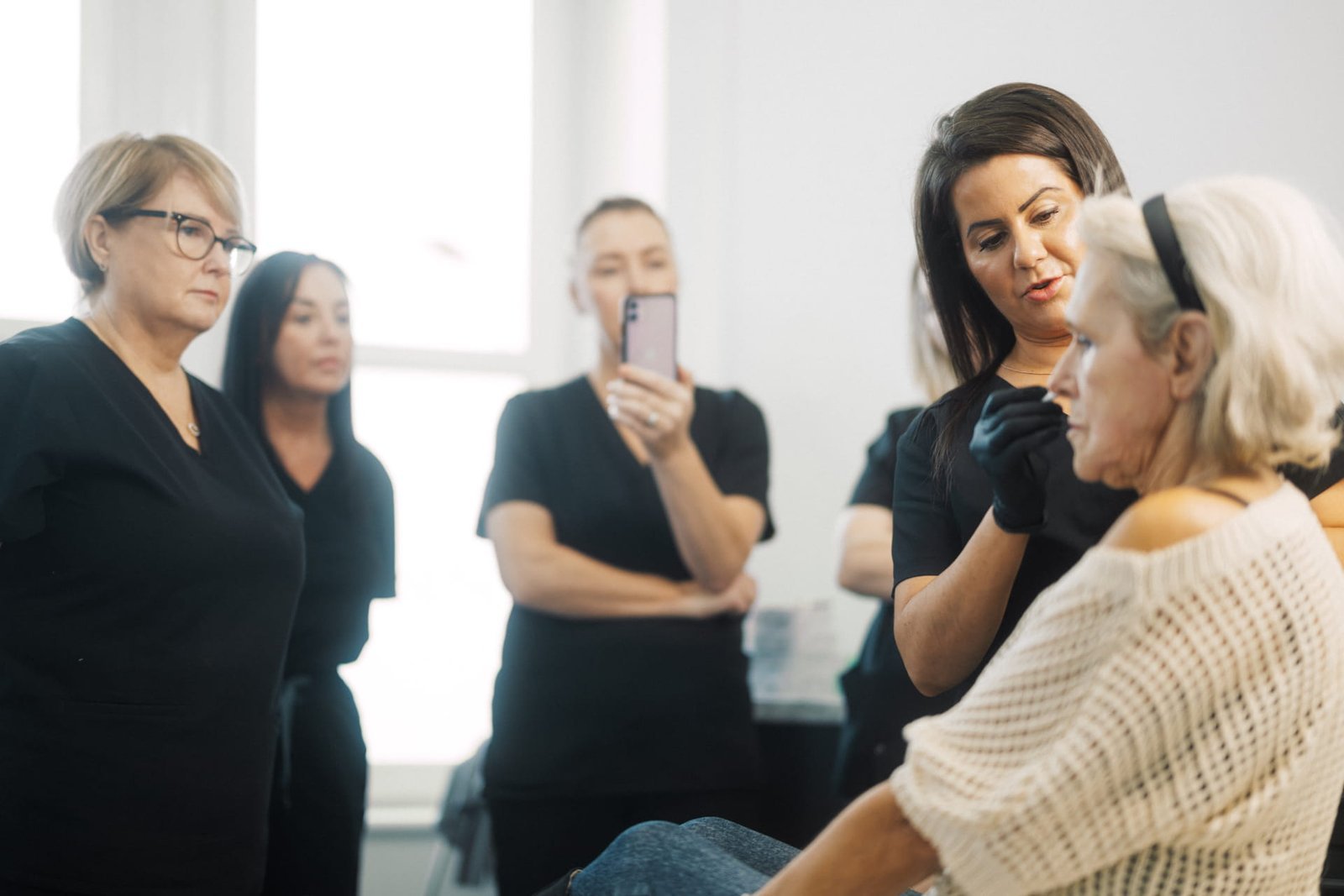
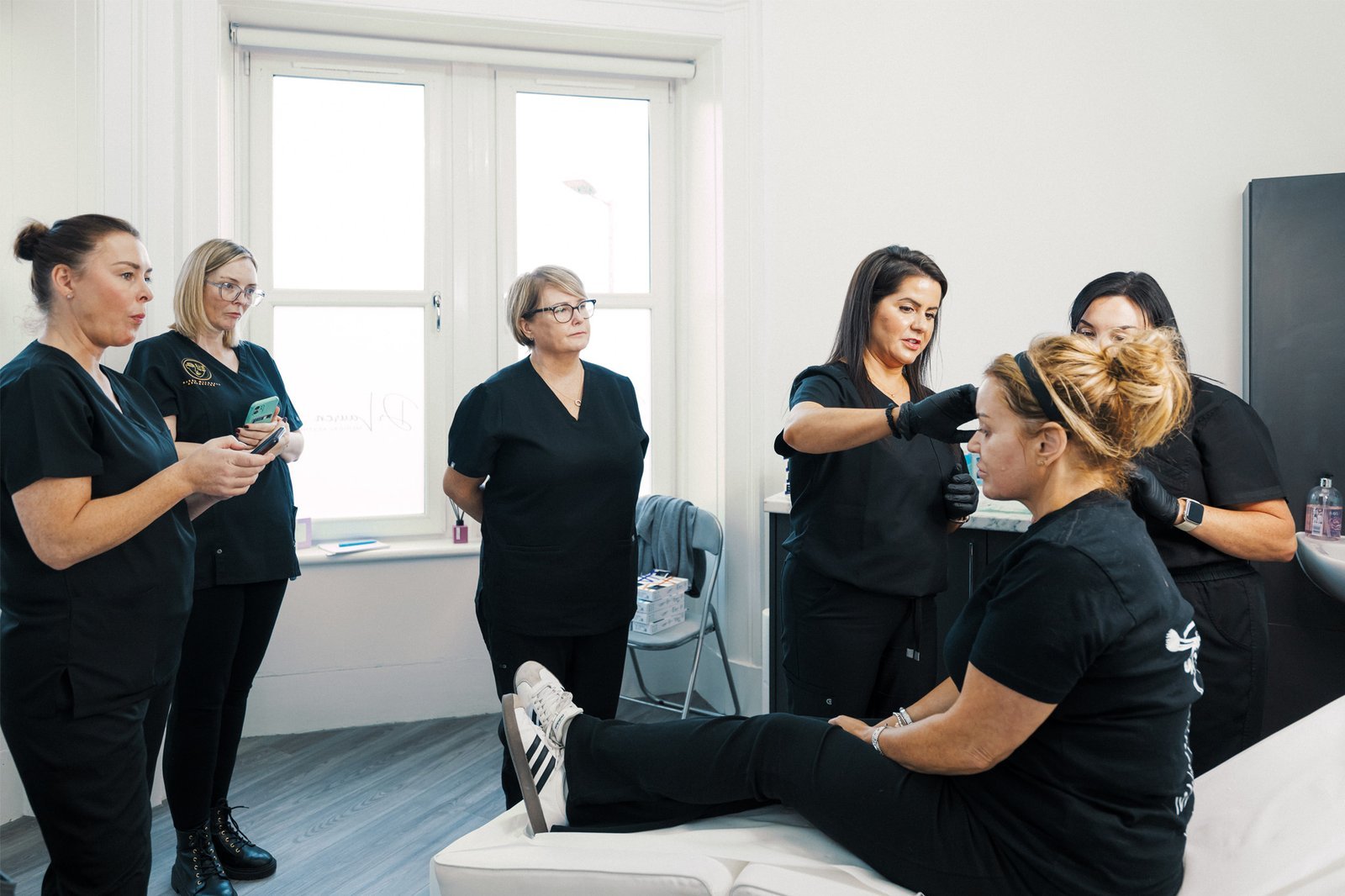
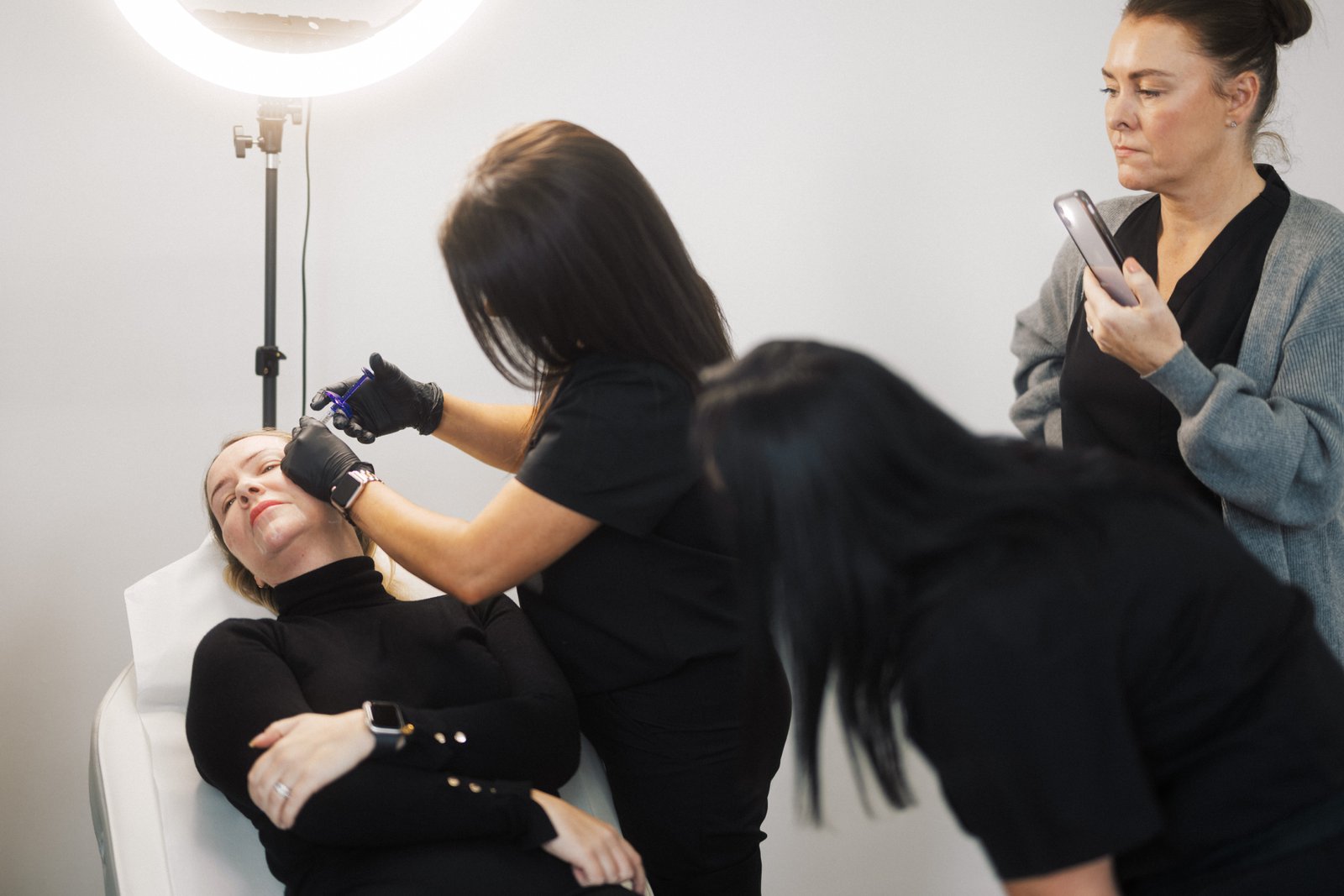
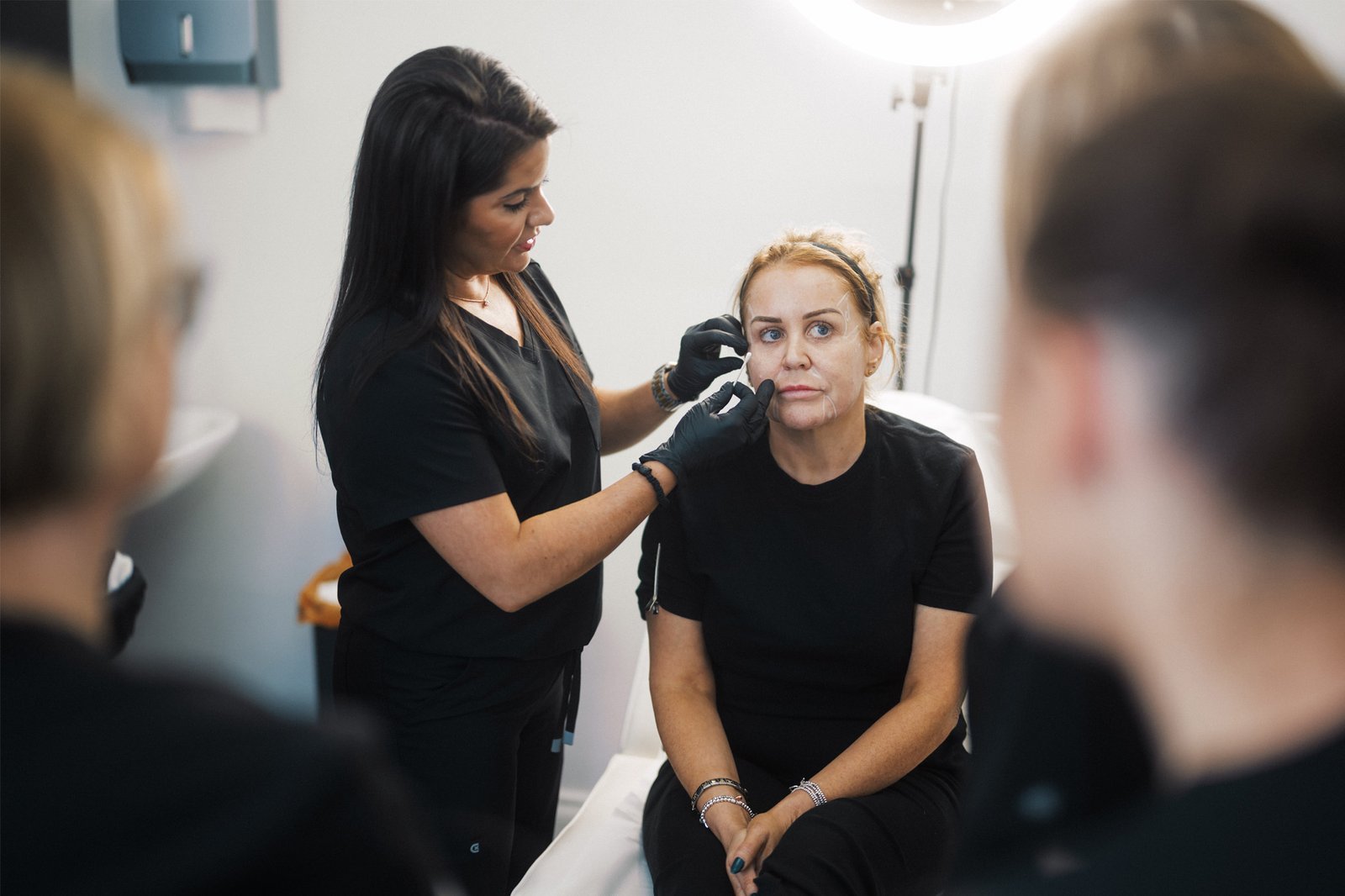
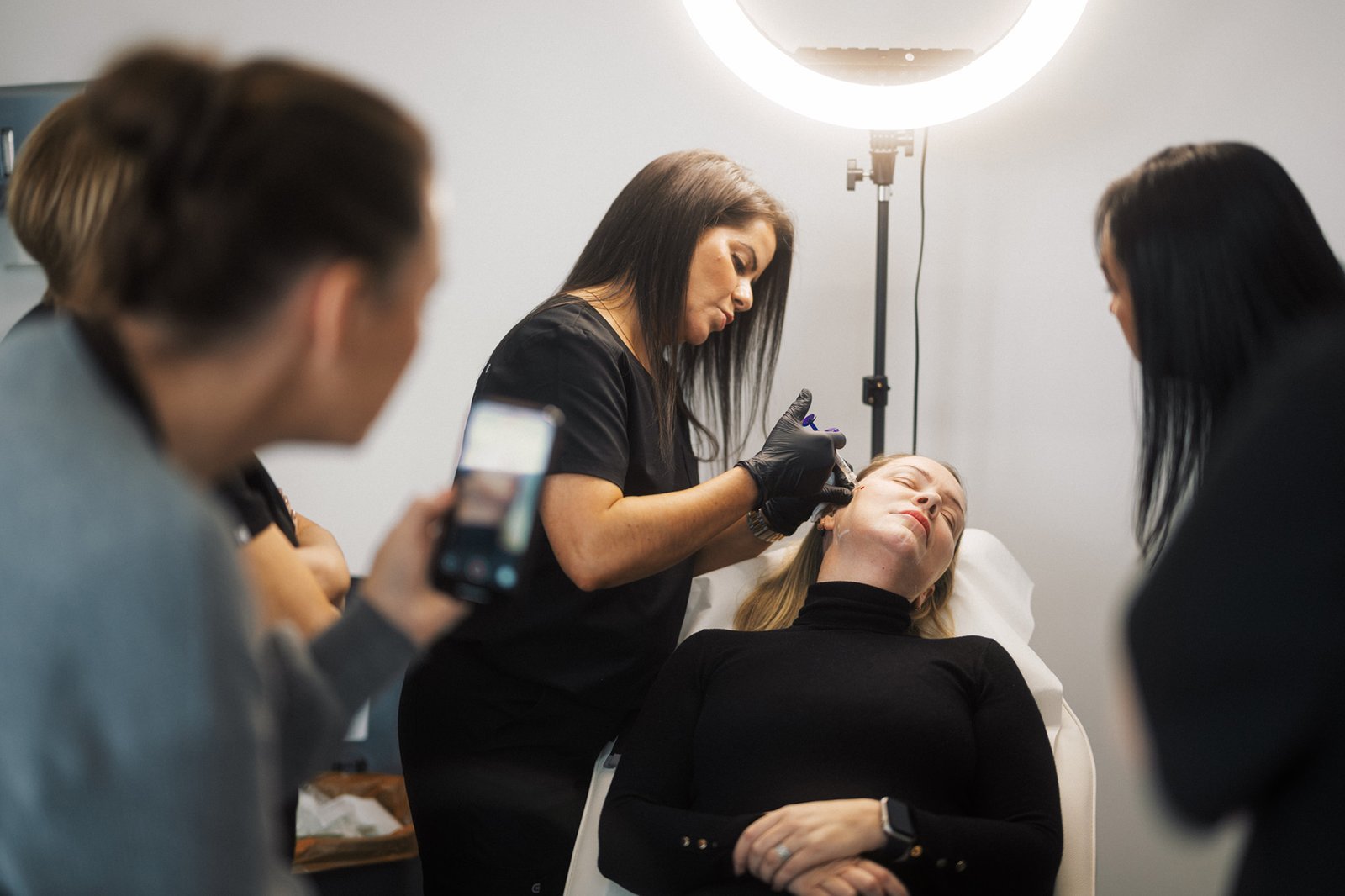
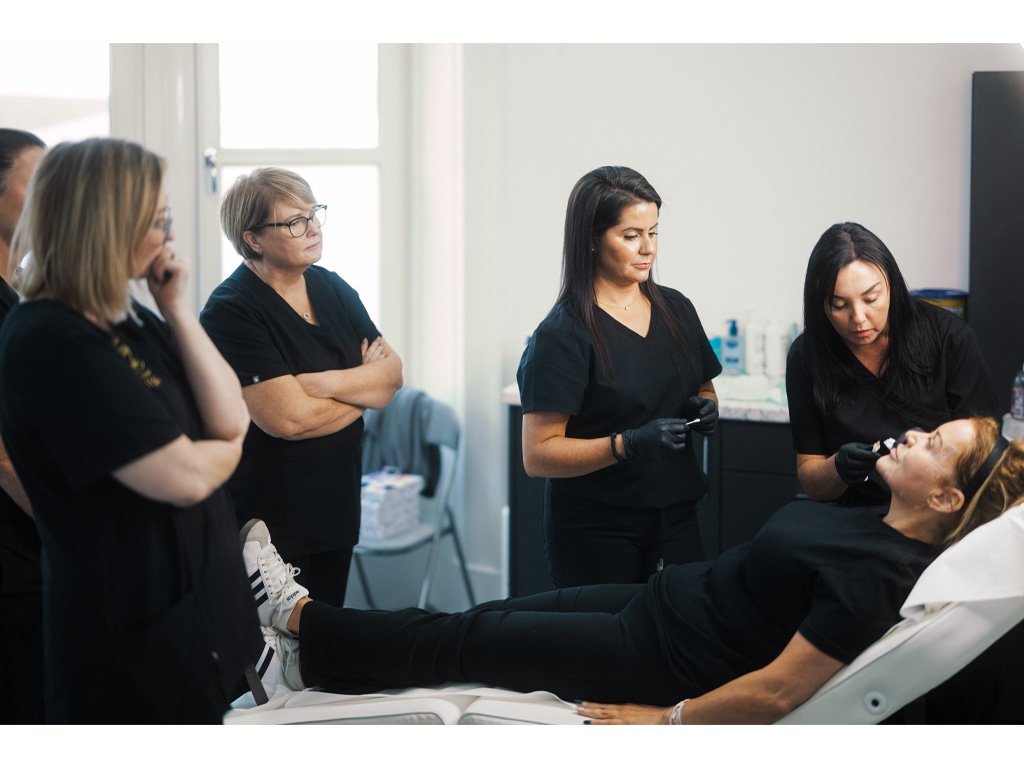
- Hands-on experience with live models, not just observation
- A structured learning pathway from Foundation to Intermediate to Advanced
- Small group sizes for individual feedback
- Ongoing mentorship and aftercare, not just a certificate
- Evidence-based education, rooted in anatomy and safety
Academies such as ATA are often highlighted because they align with these principles; focusing on clinical excellence rather than quick fixes, and supporting nurses beyond the classroom.
Common Fears Nurses Have — and Why They’re Normal
Making a career change for nurses is never just practical; it’s emotional.
“What if I’m giving up stability?”
The NHS feels safe because it’s familiar. But safety isn’t the same as fulfilment. Many nurses transition gradually, keeping part-time NHS work while training in aesthetics.
“What if I’m not good enough?”
This fear is incredibly common and often misplaced. Structured aesthetic training for nurses is designed to build confidence step by step, not throw you in unprepared.
“I feel guilty about leaving the NHS”
Caring deeply doesn’t mean sacrificing yourself indefinitely. Nurses are allowed to choose wellbeing, autonomy, and growth.
“I’m scared of running a business”
You don’t have to do everything at once. Many nurses work in established clinics before considering independent practice, learning as they go. These fears aren’t red flags; they’re signs that you care.
Realistic First Steps for Nurses New to Aesthetics
The path into aesthetics doesn’t need to be overwhelming. Here’s what it often looks like:
- Foundation Botox and Filler Course
Learn core theory, facial anatomy, consultation skills, and basic injection techniques. - Supervised Clinical Experience
Build confidence treating patients with support and mentorship. - Insurance, Prescriber Access, and Governance
Secure the legal and clinical frameworks needed to practise safely. - Intermediate Training
Expand treatment areas, techniques, and complication management skills. - Gradual Patient Build-Up
Whether in a clinic or your own practice, confidence grows with experience, not pressure.
This staged approach ensures safety, competence, and long-term success.
A New Chapter — On Your Terms
Exploring botox courses for nurses doesn’t mean you have to walk away from the NHS tomorrow. It simply means giving yourself permission to look at what else is possible. Aesthetic medicine offers nurses autonomy, respect, balance, and renewed pride in clinical work.
It’s not about escaping nursing; it’s about reclaiming it in a way that supports your life, not consumes it. If you’re curious about leaving the NHS for aesthetics, take the pressure off.
Learn more. Ask questions. Explore your options. Book an introductory call or speak to a training academy that understands nurses and their concerns. You’ve given so much to others. Now it may be time to choose a path that gives something back to you.
Bibliography:
- Acquisition Aesthetics – 2025 – Navigating the Transition: From NHS to Aesthetic Practice [online] Available at:
https://www.acquisitionaesthetics.co.uk/blog/from-nhs-to-aesthetics/ - Aesthetic Hub – 2024 – How to Become a Successful Aesthetic Nurse [online] Available at:
https://smileworks-hub.co.uk/free-resources-news/how-to-become-an-aesthetic-nurse-uk/