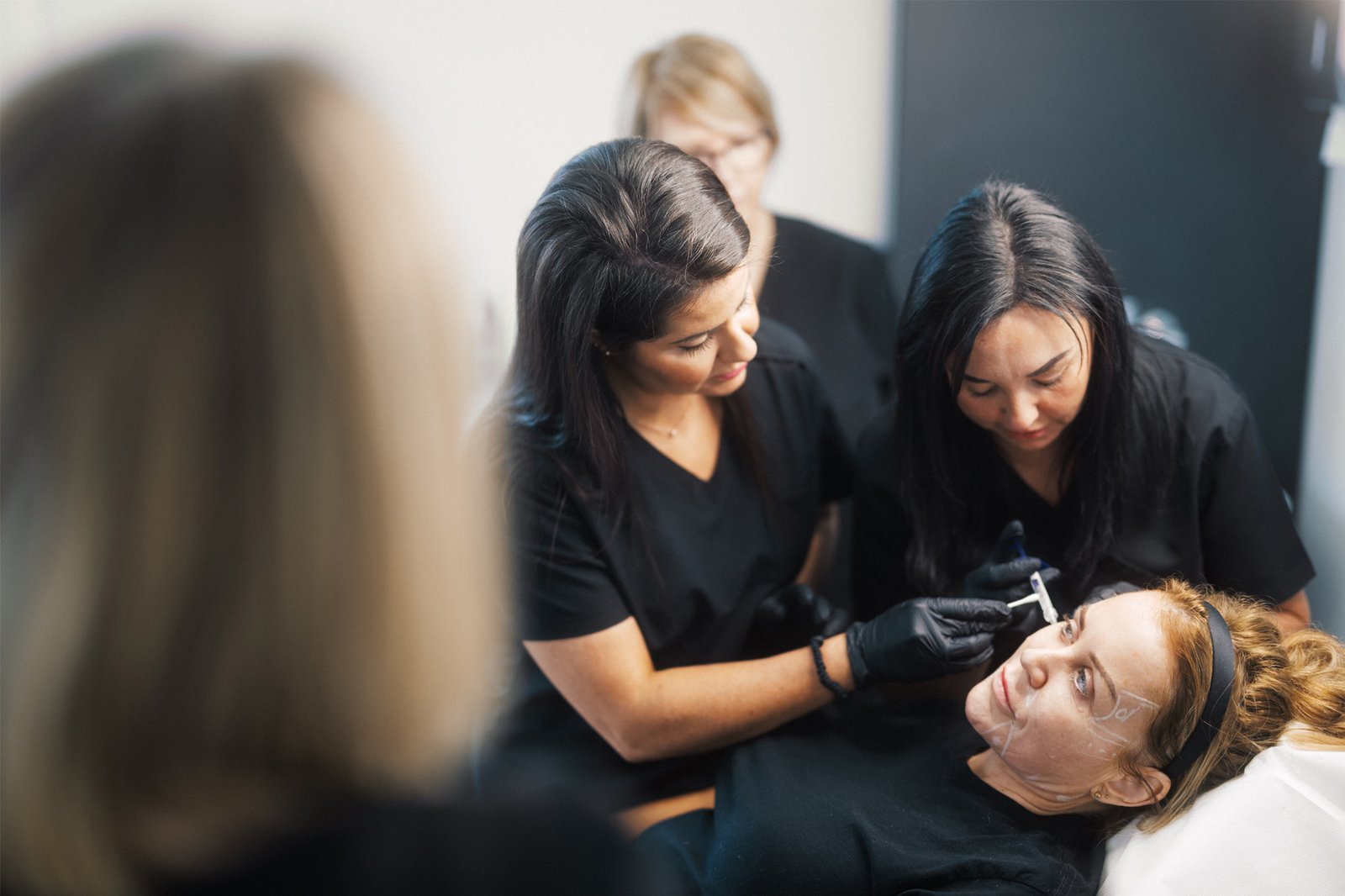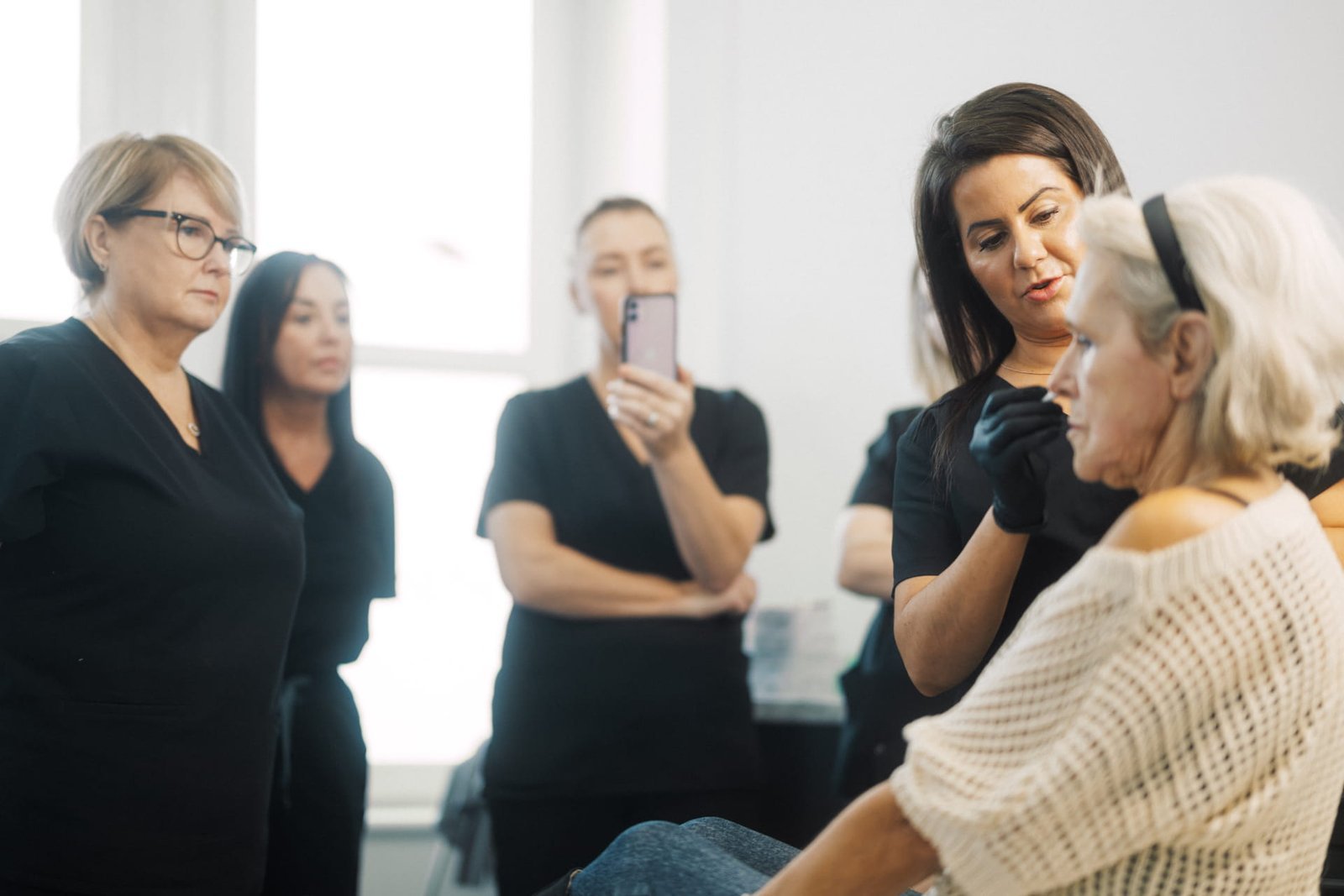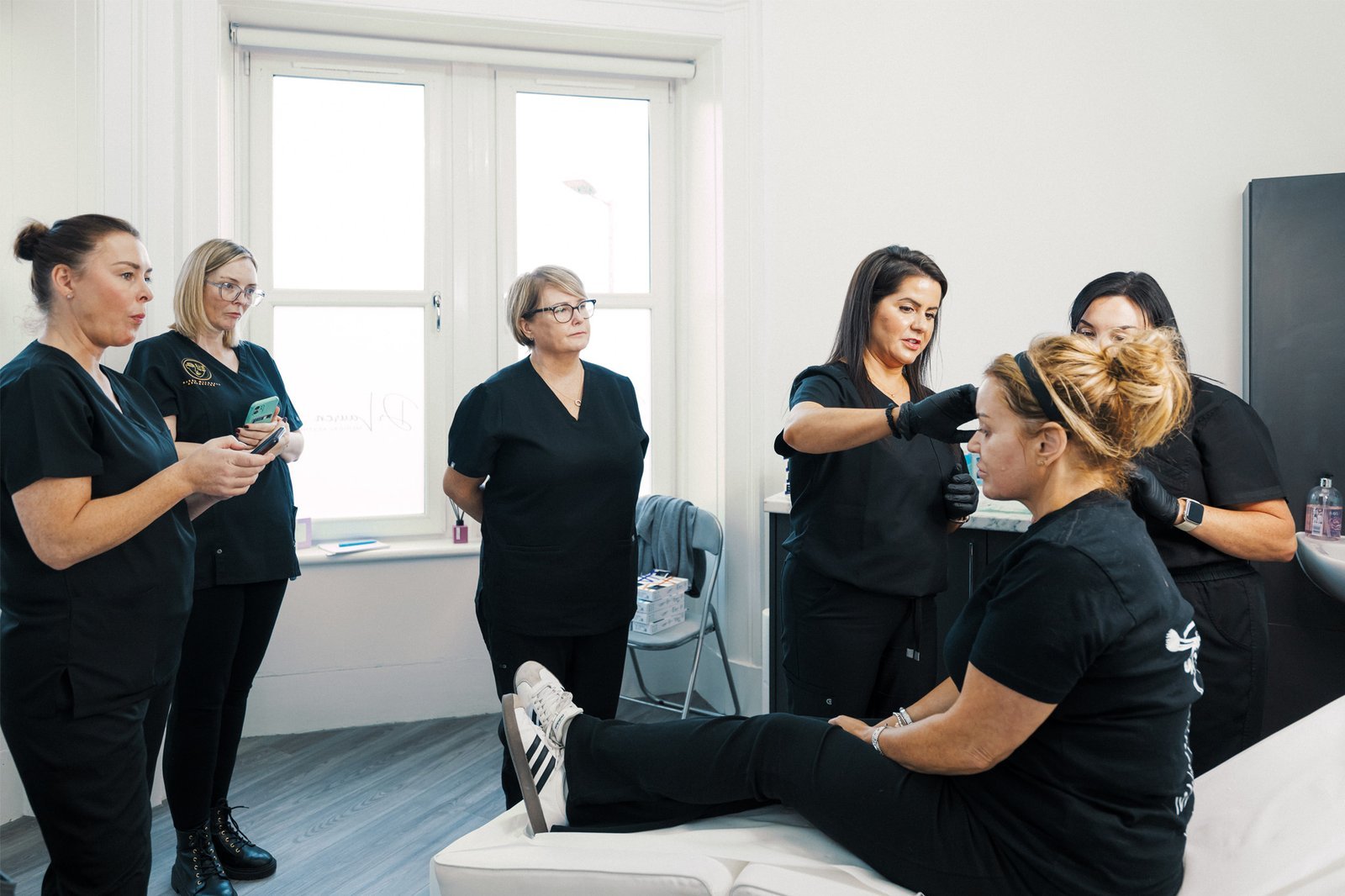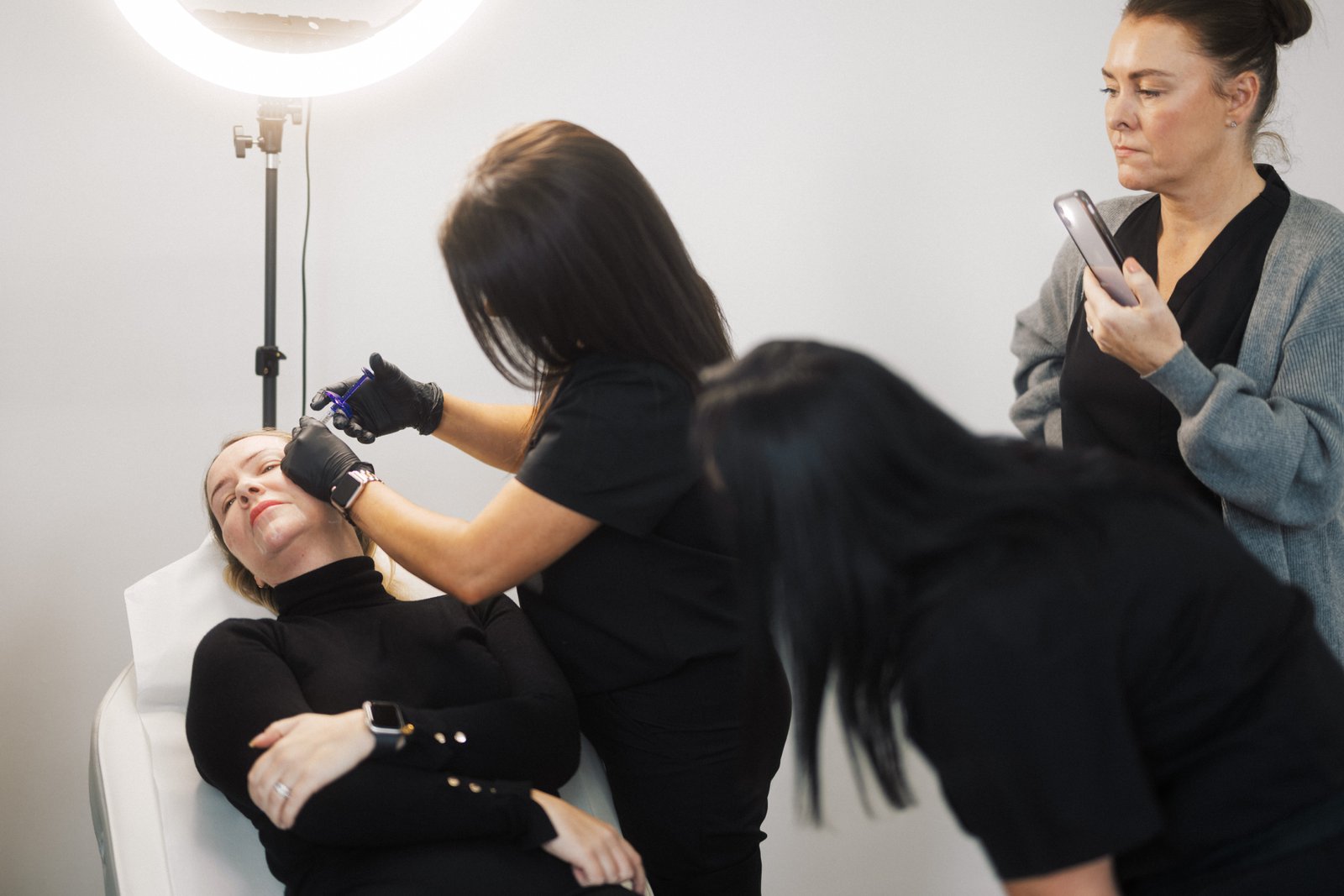
Wanting more control over your life is not only reasonable, but it’s also deeply human. Yet for many healthcare professionals, that sense of control slowly slips away within rigid medical systems. Long shifts, inflexible schedules, and capped earning potential can leave you feeling drained, undervalued, and disconnected from the career you once felt passionate about.
Over time, burnout can creep in quietly, until work becomes something you simply push through, rather than a path that feels purposeful or fulfilling.
If you find yourself in the same situation and are looking to have more independence in your career without walking away from medicine altogether, facial aesthetics offers a clinically meaningful alternative.
What makes this path so compelling for many is the aesthetic training benefits, enabling you to reclaim autonomy and reconnect with patient care in a more personal, meaningful way. In doing so, you can experience the true career benefits of aesthetics, shaping a profession that finally fits around your life, not the other way around.
Why So Many Medical Professionals Choose Aesthetics
The shift towards aesthetics is rarely impulsive, it is typically driven by a deep desire for balance, recognition, and sustainable working patterns.
A growing number of healthcare professionals are choosing to become an aesthetic practitioner because the speciality offers a level of control and adaptability that traditional clinical roles often cannot provide. Appointment-led practice is one of the most recognised career benefits of aesthetics.
It allows clinicians to design working patterns that support personal well-being while remaining professionally active, without the pressures of emergency-driven care [1][8].
Many clinicians are also drawn by the opportunity to slow the pace of care, spend meaningful time with patients, and see visible, confidence-boosting results from their work. Unlike high-pressure acute settings, aesthetic practice allows practitioners to work in calm environments where expertise is valued, and patient relationships are nurtured over time [1][6].
These factors capture the true career benefits of aesthetics, giving clinicians renewed satisfaction, pride, and purpose in their work. In doing so, they reflect some of the most impactful and often overlooked aesthetic training benefits available to healthcare professionals.
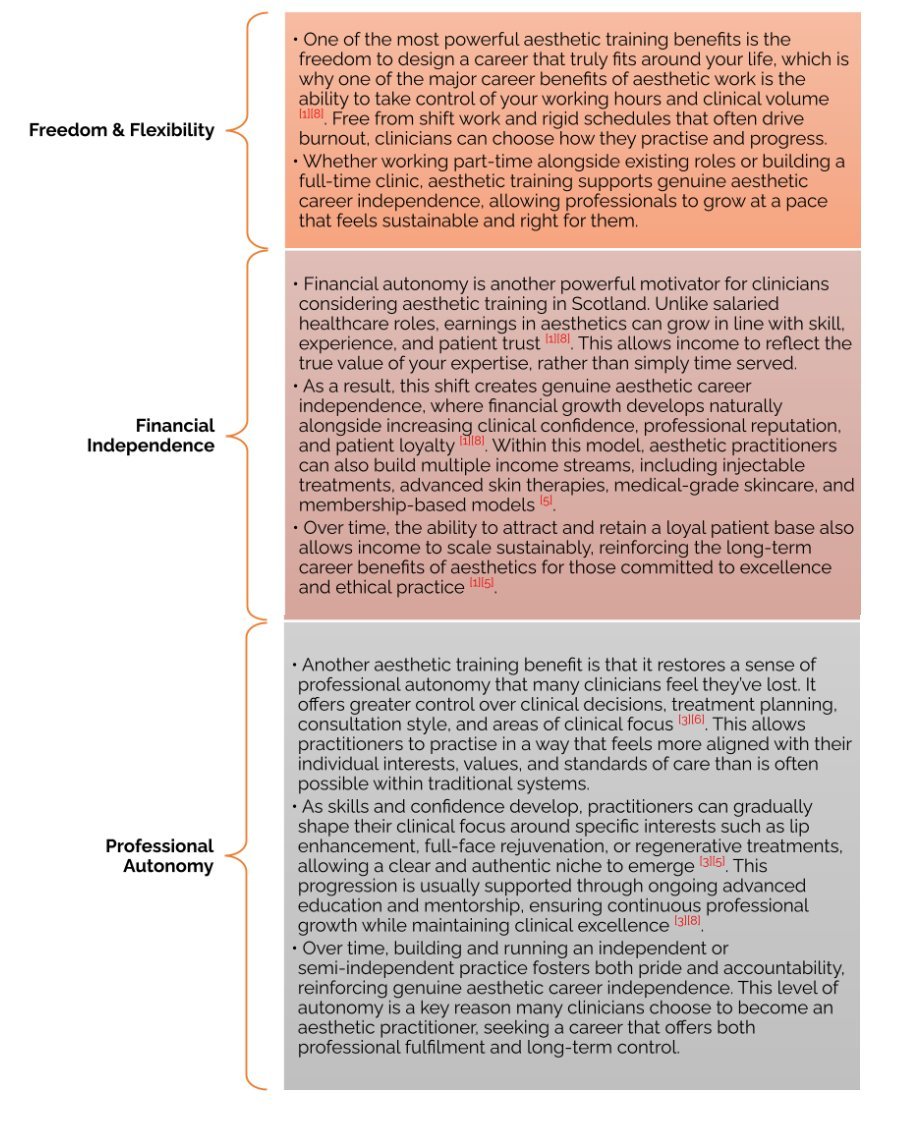
The Top 3 Career Benefits of Aesthetic Training
Why Proper Training Determines Everything
While aesthetics offer flexibility, true aesthetic career independence must always be grounded in competence, safety, and ethical practice [2][4].
High-quality training places strong emphasis on a thorough understanding of facial anatomy, complication management, evidence-based protocols, and ethical patient assessment as essential, non-negotiable foundations for safe practice [3][5].
Regulatory bodies such as the Joint Council for Cosmetic Practitioners (JCCP) further reinforce the importance of appropriate qualifications, professional accountability, and patient safety across the sector [2][4][7].
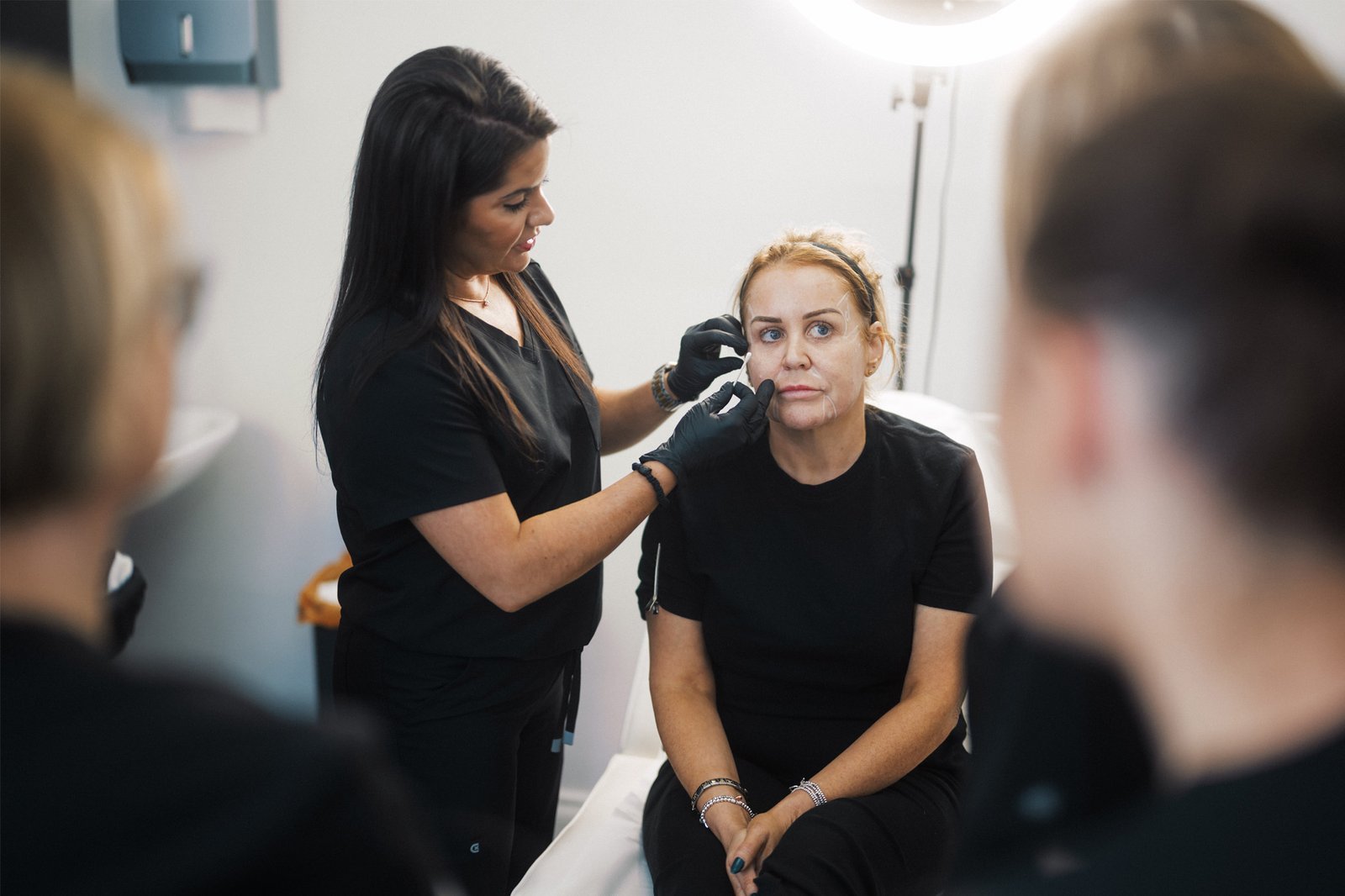
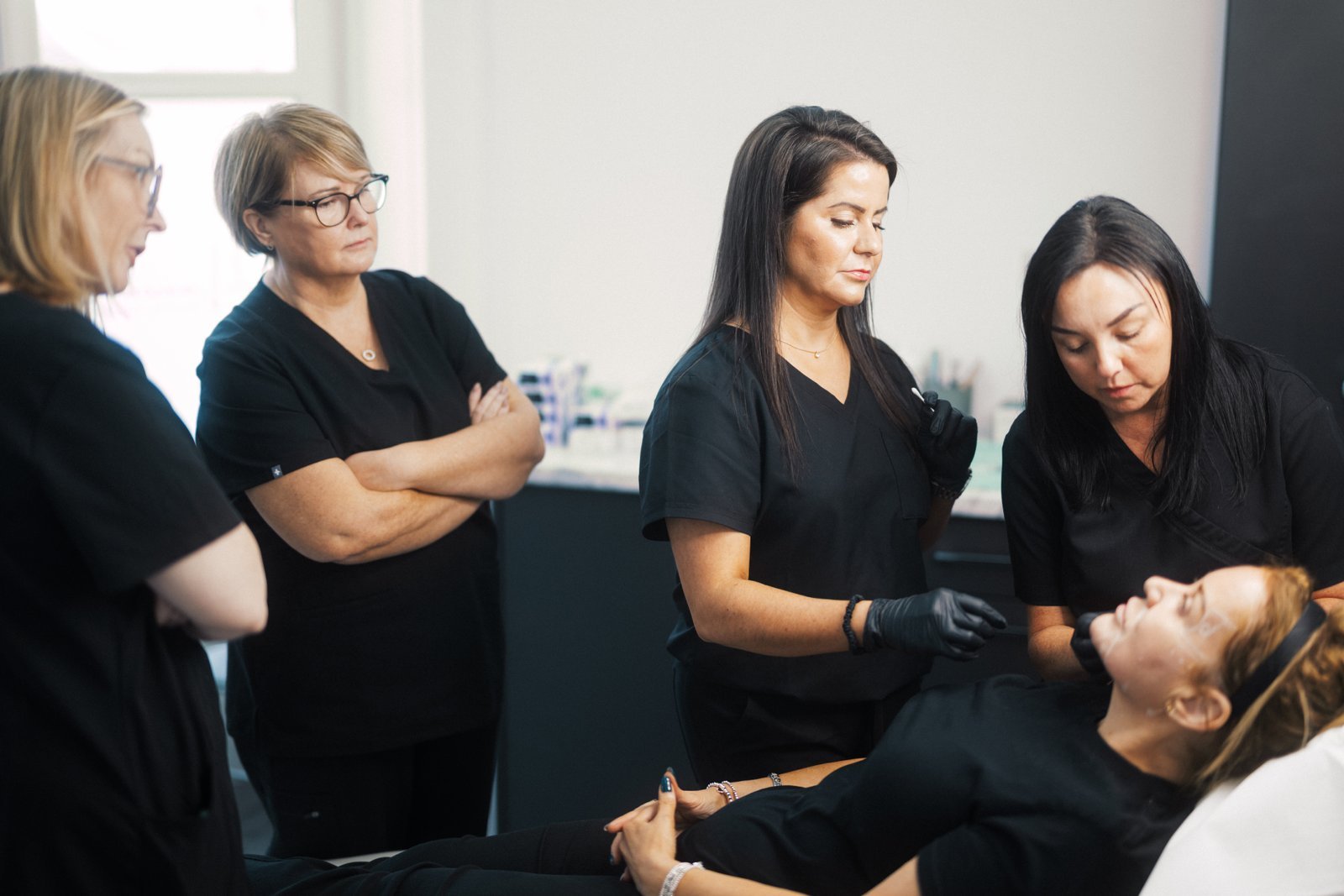
To support this, structured progression models that move from foundation to intermediate and advanced training, offered by providers such as Aesthetic Training Academy, help practitioners build skills gradually while developing confidence and clinical consistency over time.
Whether pursuing aesthetic training in Scotland or elsewhere in the UK, selecting a regulated, standards-aligned provider is a critical step for anyone looking to become an aesthetic practitioner, ensuring independence is built on a solid and responsible clinical foundation.
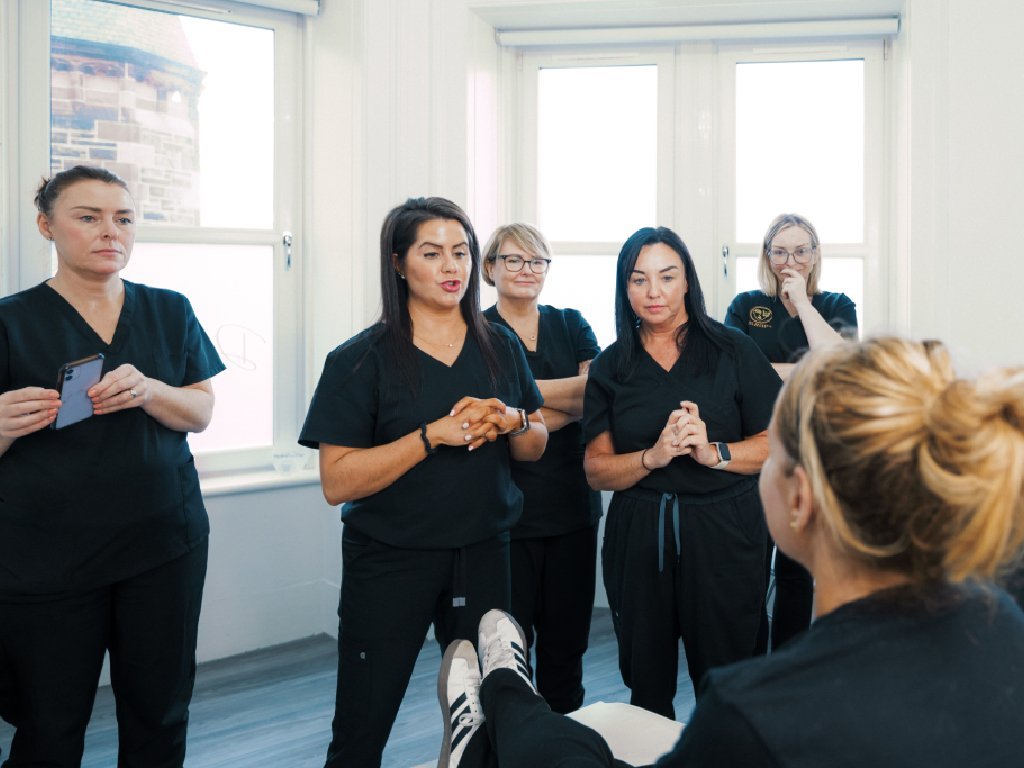
What Life Can Look Like After Training
Imagine beginning your week in a calm clinic room you helped create, welcoming patients who trust your expertise and return because they feel genuinely heard and cared for. With full control over your clinic, you can thoughtfully introduce aesthetic treatments into an existing medical practice, shaping and expanding your services in a way that reflects your values, vision, and clinical interests.
Over time, you build a loyal patient community, continue refining your skills, and shape a career that supports both professional ambition and personal wellbeing, fully reflecting the aesthetic training benefits that first drew you to this path.
It is this long-term vision that leads many clinicians to invest in a Botox course for career change and commit to high-quality aesthetic training in Scotland and across the UK. Ultimately, choosing to become an aesthetic practitioner creates a career that can grow and adapt alongside your personal priorities and professional goals.
If you are ready to explore what independence could look like for you, taking the first step through structured training, guidance, and conversation can open the door to lasting aesthetic career independence. When the time feels right, exploring ATA courses or booking an introductory call can provide clarity and support as you begin shaping a career that truly fits your life.

Bibliography
- Hamilton Fraser. (n.d.). Making the transition from the NHS to aesthetic practice. [online] Available at:
https://www.hamiltonfraser.co.uk/content-hub/making-the-transition-from-the-nhs-to-aesthetic-practice - Joint Council for Cosmetic Practitioners (JCCP). (n.d.). Practitioners and clinics. [online] Available at:
https://www.jccp.org.uk/PractitionersAndClinics - Khanna, B. (2023). Aesthetic qualifications in 2023. [online] Available at:
https://www.drbobkhanna.com/blog/aesthetic-qualifications-in-2023/ - Professional Standards Authority. (n.d.). Joint Council for Cosmetic Practitioners. [online] Available at:
https://www.professionalstandards.org.uk/organisations-we-oversee/find-a-register/joint-council-cosmetic-practitioners - Royal College of Nursing (RCN). (n.d.). Aesthetic practice. [online] Available at:
https://www.rcn.org.uk/Get-Help/RCN-advice/aesthetic-practice - UK Government. (2023). The licensing of non-surgical cosmetic procedures in England. [online] Available at:
https://www.gov.uk/government/consultations/licensing-of-non-surgical-cosmetic-procedures/the-licensing-of-non-surgical-cosmetic-procedures-in-england - UK Parliament, House of Commons Library. (2024). Regulation of non-surgical cosmetic procedures. [online] Available at:
https://commonslibrary.parliament.uk/research-briefings/cbp-10331/ - Until. (n.d.). How to transition from the NHS to aesthetics. [online] Available at:
https://www.until.co.uk/journal-posts/how-to-transition-from-the-nhs-to-aesthetics