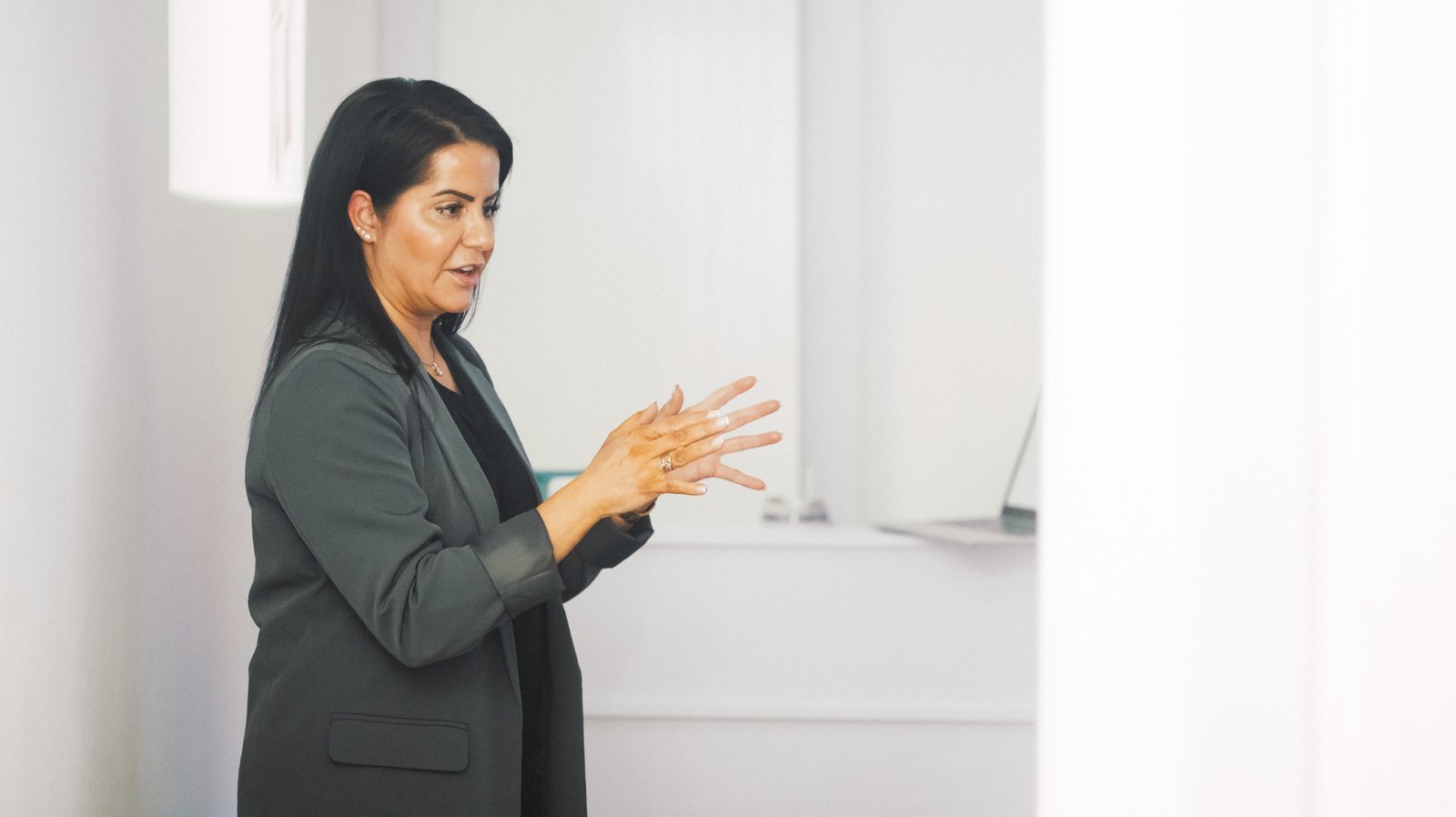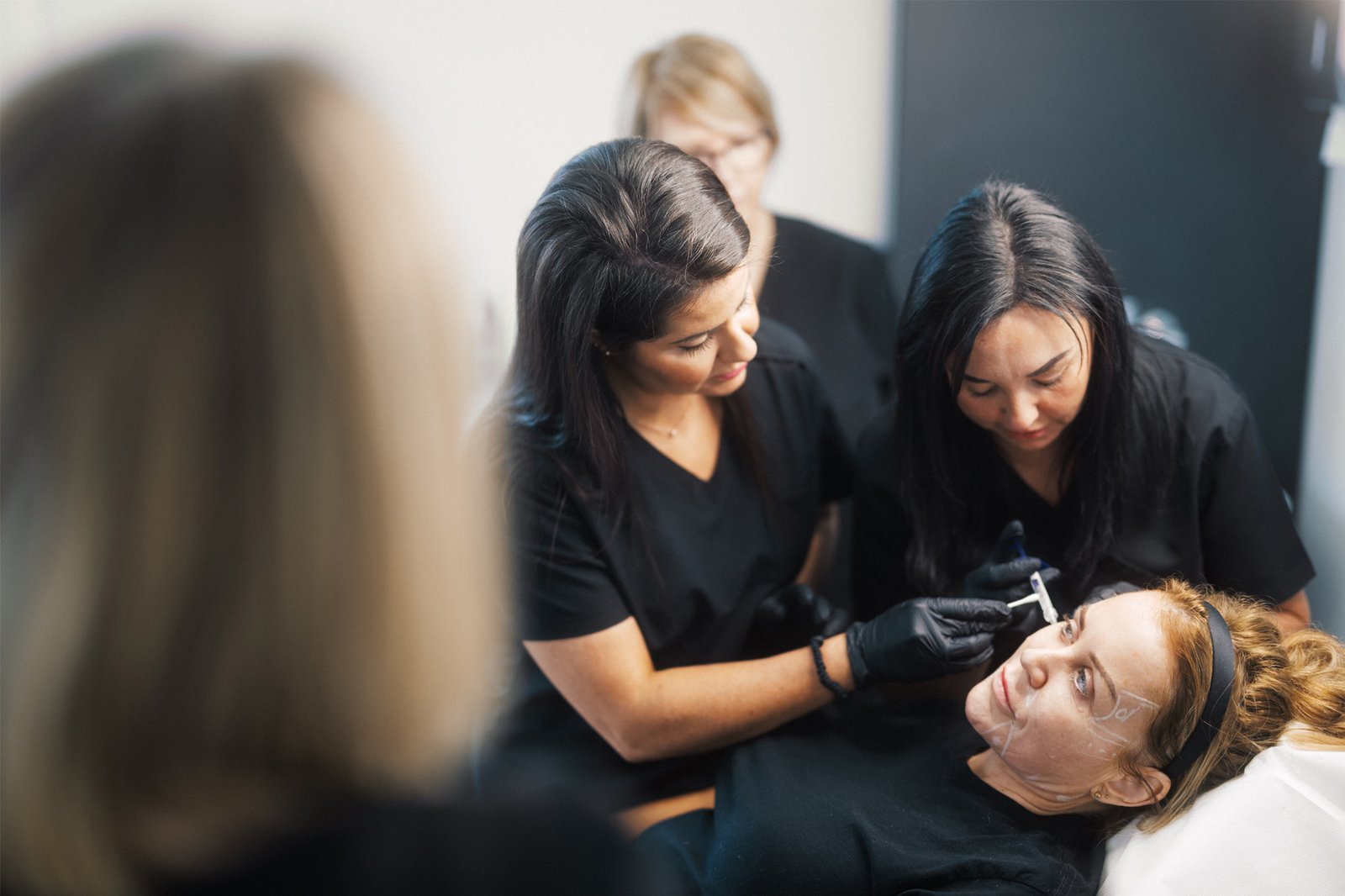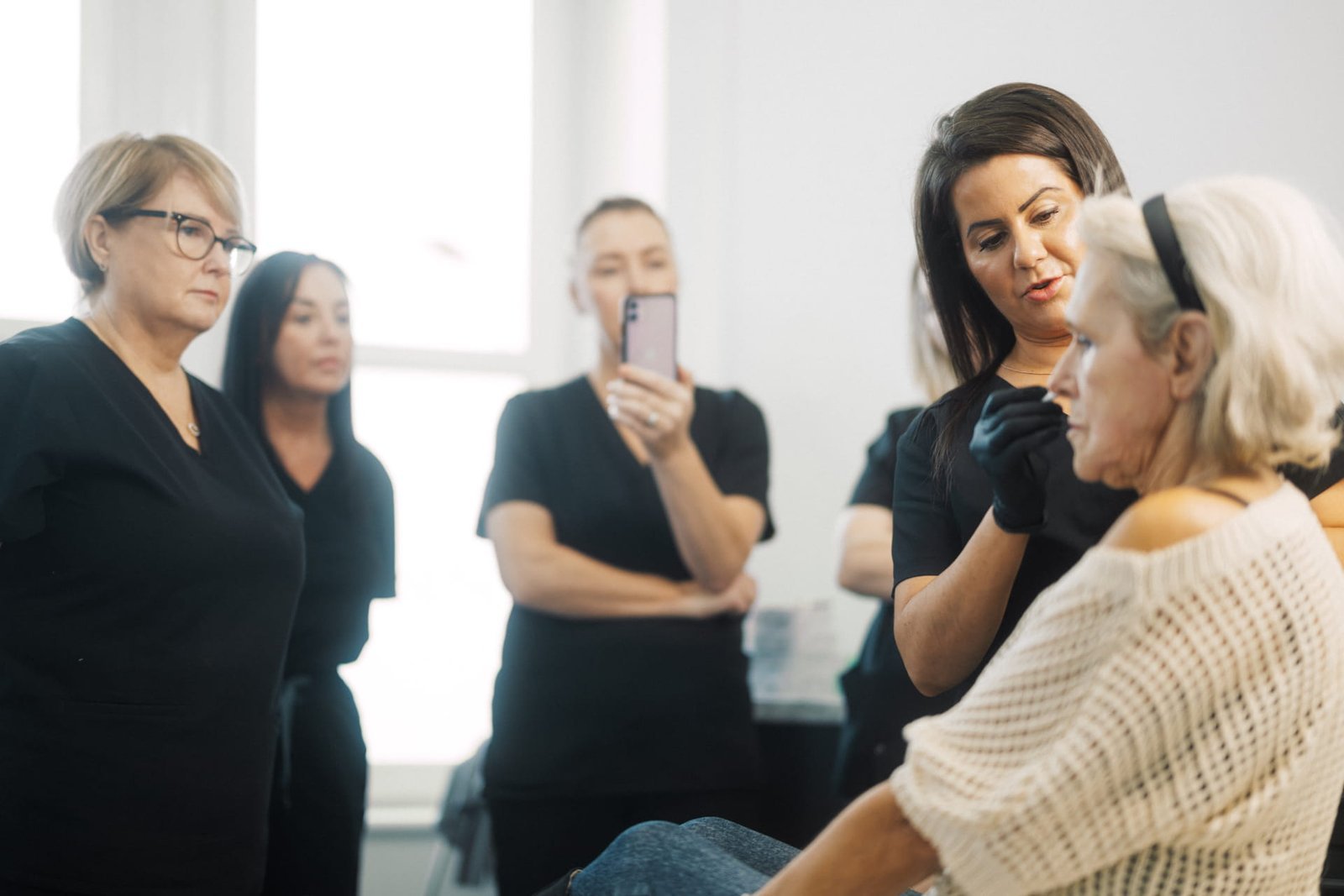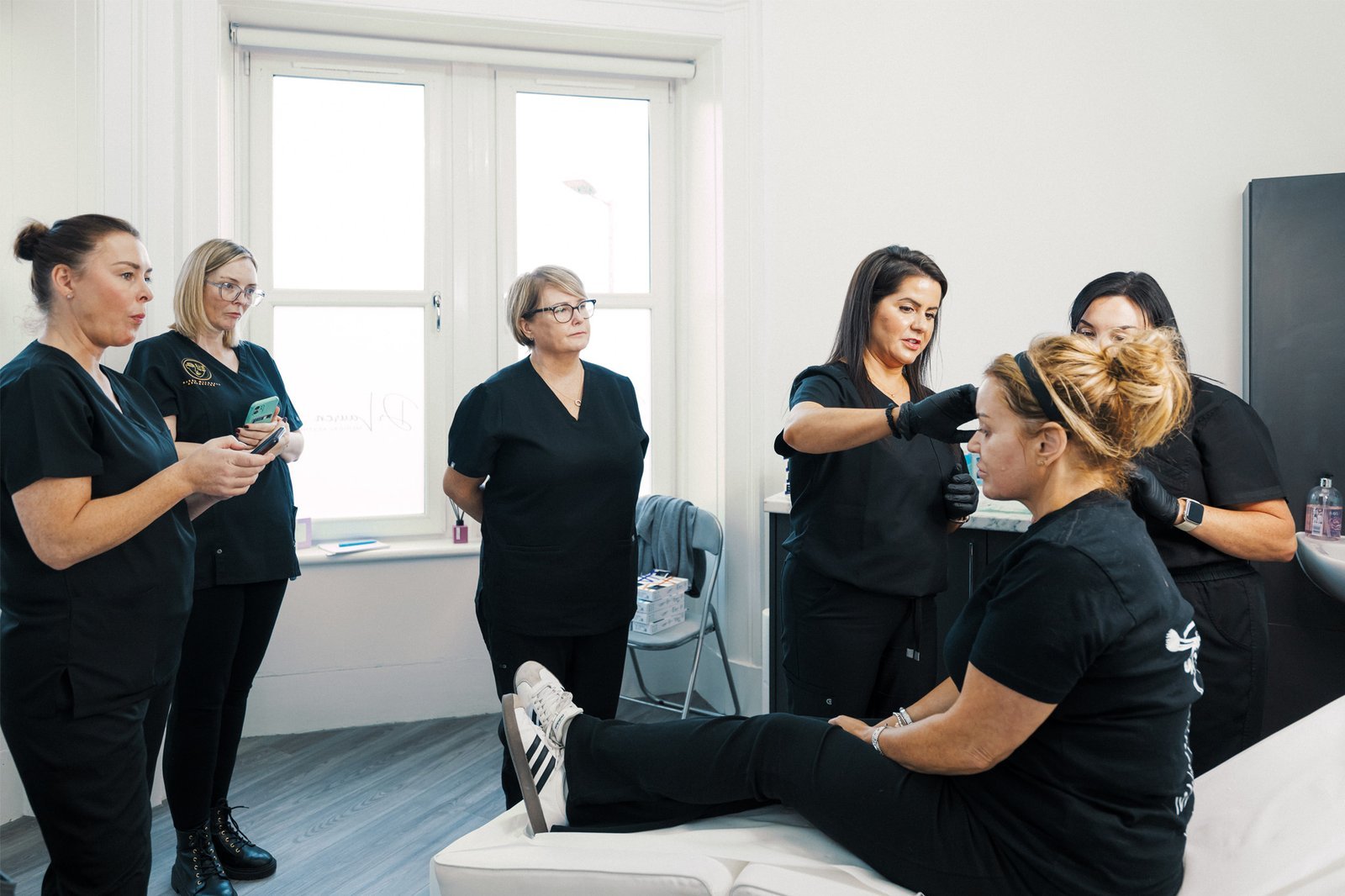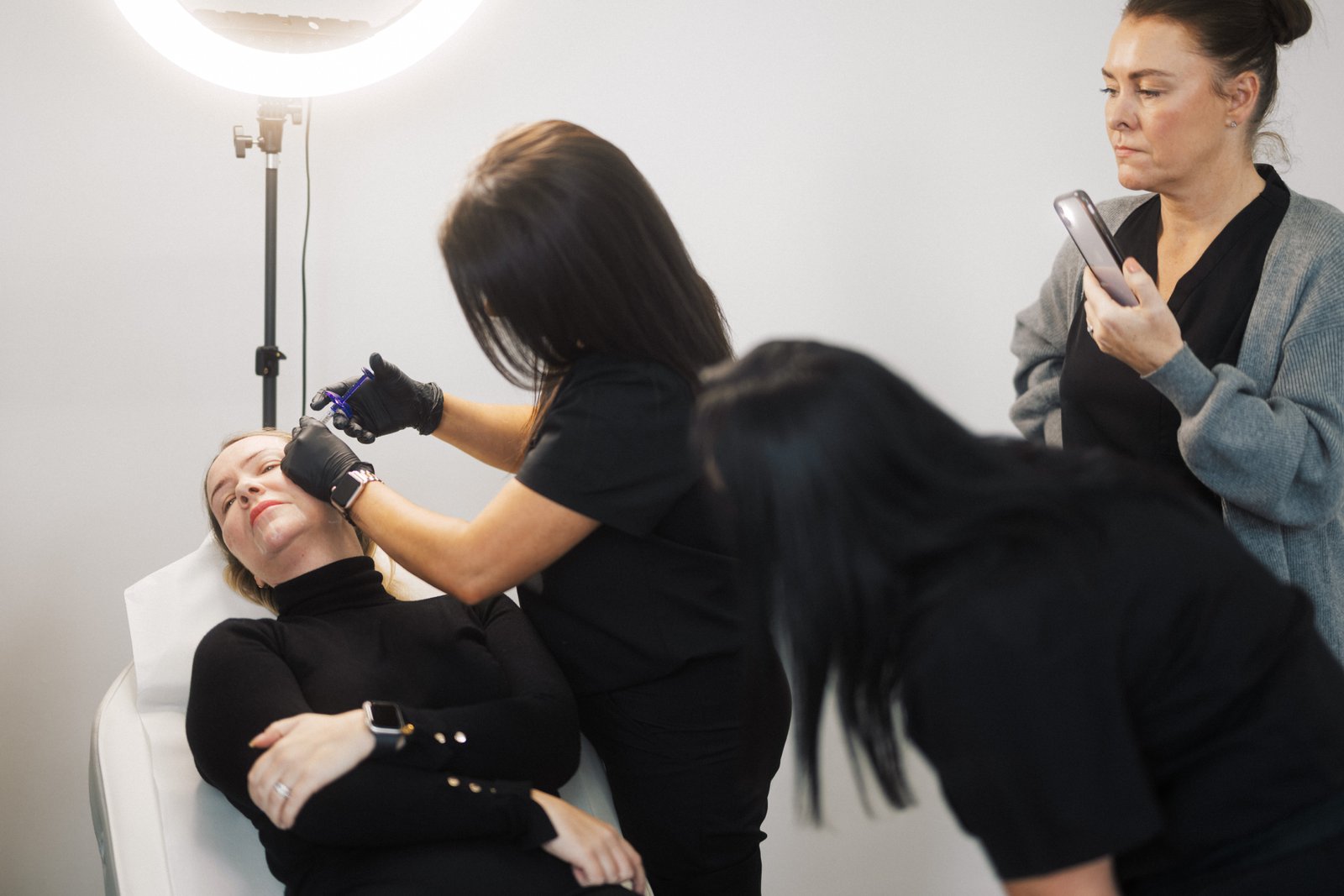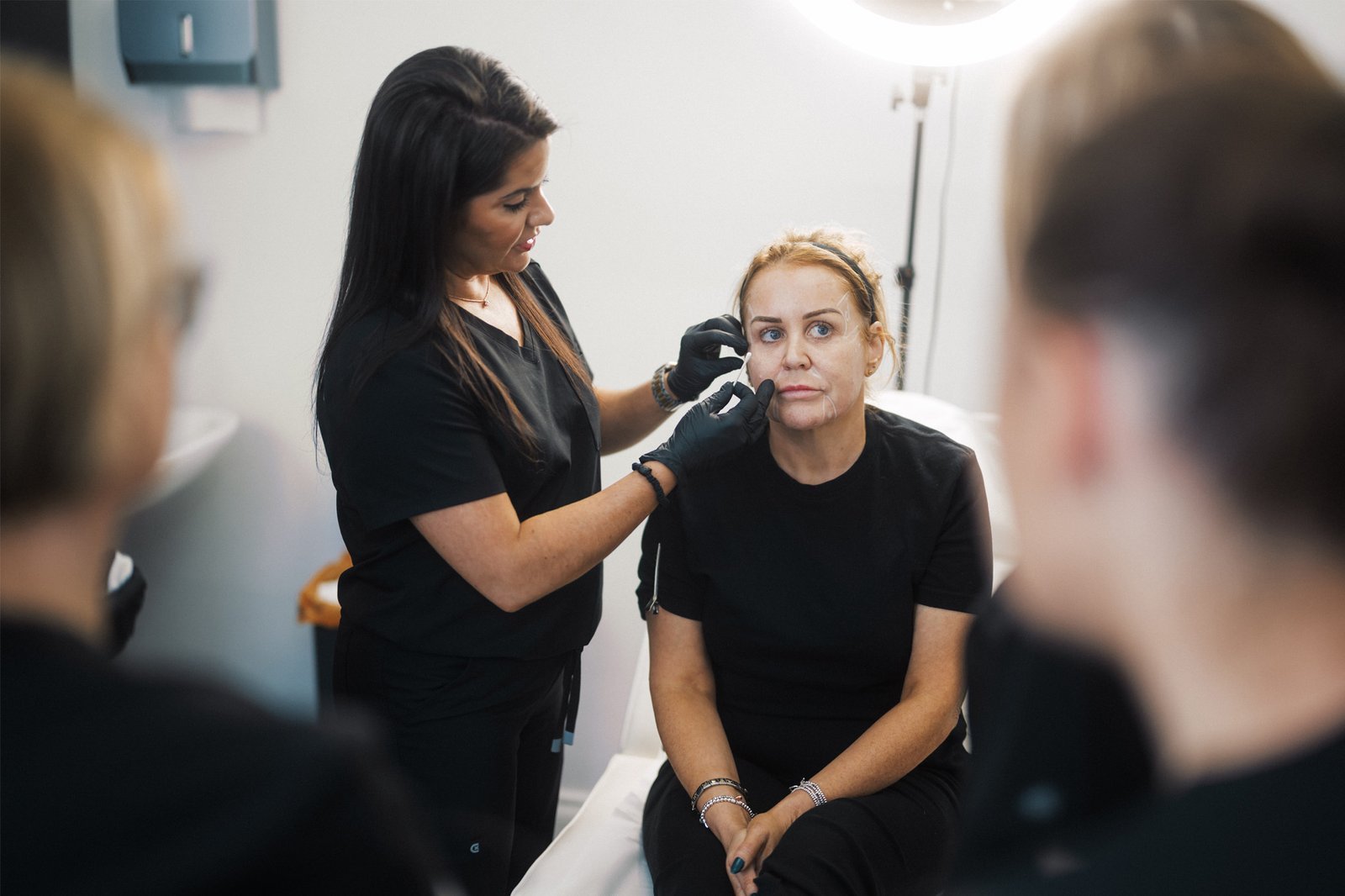
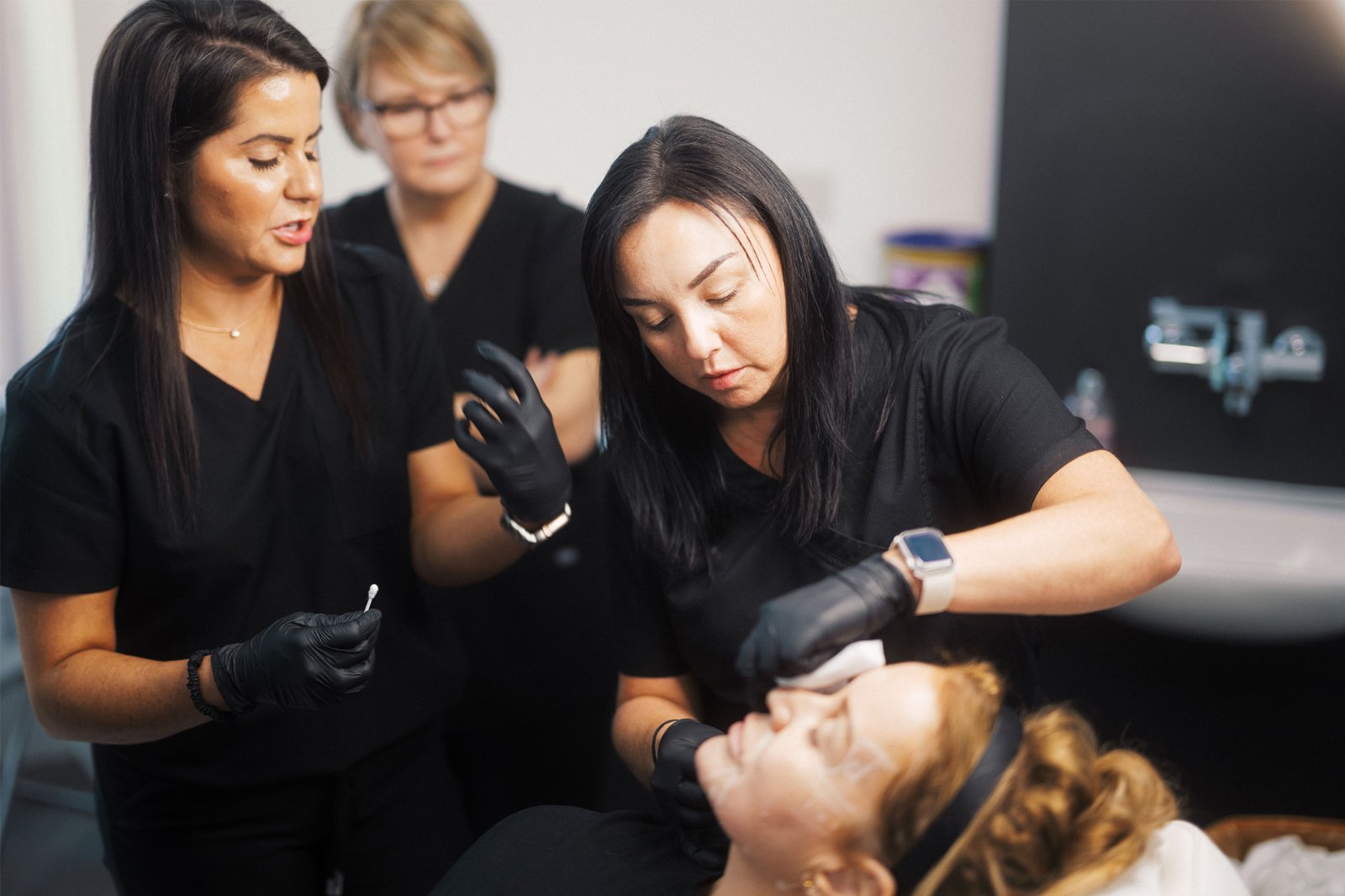
We often focus on what is taught in aesthetic training, but far less on where that learning unfolds. Yet the environment in which you learn aesthetics quietly shapes how you go on to practise it.
In a speciality where patient safety and clinical judgement are central, the training environment is far more than a backdrop. It actively shapes how practitioners observe and apply clinical skills in practice.
For practitioners considering medical aesthetics training in Scotland, the shift from theoretical teaching to real clinical immersion can feel significant.
It’s often the point at which practitioners recognise that understanding aesthetics in theory and experiencing it in practice are not quite the same. Learning inside a working aesthetic clinic brings a sense of professional reality that traditional classroom venues rarely replicate.
Why ATA Is Based Within an Active Medical Clinic
This clinic-based training philosophy comes to life at the Aesthetic Training Academy (ATA), where education takes place inside a functioning medical clinic rather than a temporary training venue [3].
It means delegates learn within the same kind of clinical setting they will later practise in. The ATA training location is designed to look and operate like a modern aesthetic clinic, so learning takes place in a real, patient-focused environment [3][5].
Training inside a working clinic means delegates encounter the everyday flow of real aesthetic practice from the very beginning. They see how patient journeys unfold, how clinical documentation is handled, and what professional standards look like in action [1][2].
This kind of exposure is especially important within medical aesthetics training in Scotland, where regulatory awareness and patient safety expectations are embedded in education [1].
By situating aesthetic training in Hamilton within a live clinic, ATA ensures delegates experience the pace and responsibilities of genuine practice from the outset.
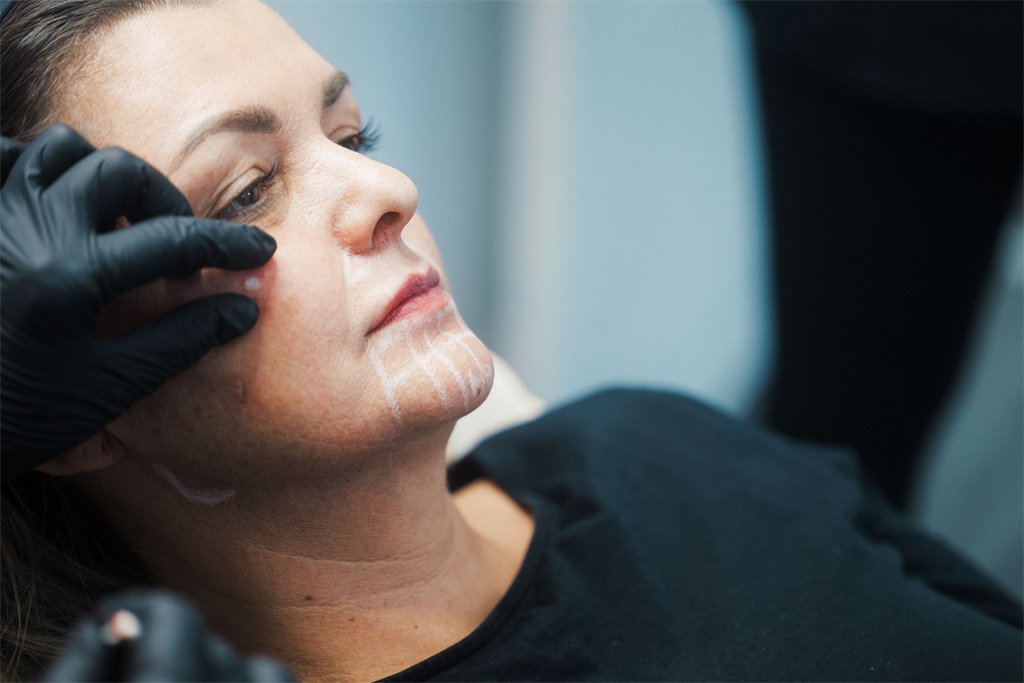
The Atmosphere: Calm, Professional, Real-World
Aesthetic education requires focus, reassurance, and clinical clarity, all of which are supported by a calm and professional setting [1][2].
The ATA training location has therefore been created to mirror the quiet and organised atmosphere of a high-standard medical clinic rather than a busy teaching venue [3].
In settings like this, delegates are better able to concentrate and feel at ease, which reduces performance anxiety during medical aesthetics training [1][4].
This realistic clinical feel is consistent throughout the space. Dedicated treatment rooms, consultation areas, and proper clinical lighting reflect the standards expected in clinic-based aesthetics courses [2][4].
Learning in this environment helps practitioners feel mentally prepared, so the move from theory into hands-on treatment feels steadier and more confident.
Hamilton Location Benefits
Accessibility turns the idea of training from something aspirational into something genuinely attainable.
This is reflected in Hamilton’s location in Lanarkshire, which sits within easy reach of several major Scottish cities and makes it a practical hub for medical aesthetics training in Scotland [5].
For many practitioners, this means attending clinic-based aesthetics courses without the burden of long-distance travel. This ease of access has helped aesthetic training in Hamilton grow into a recognised regional education centre [5].
The ATA training location benefits from its central position, making it easier for delegates from across Scotland to reach the clinic. This means high-quality education is not limited by geography.
Another reason Hamilton works so well as a training location is its strong rail and road links to the main healthcare centres across Central Scotland [5].
For practitioners balancing study with clinical work, this kind of connectivity makes attending clinic-based aesthetics courses far more manageable.
Travel and Parking Information
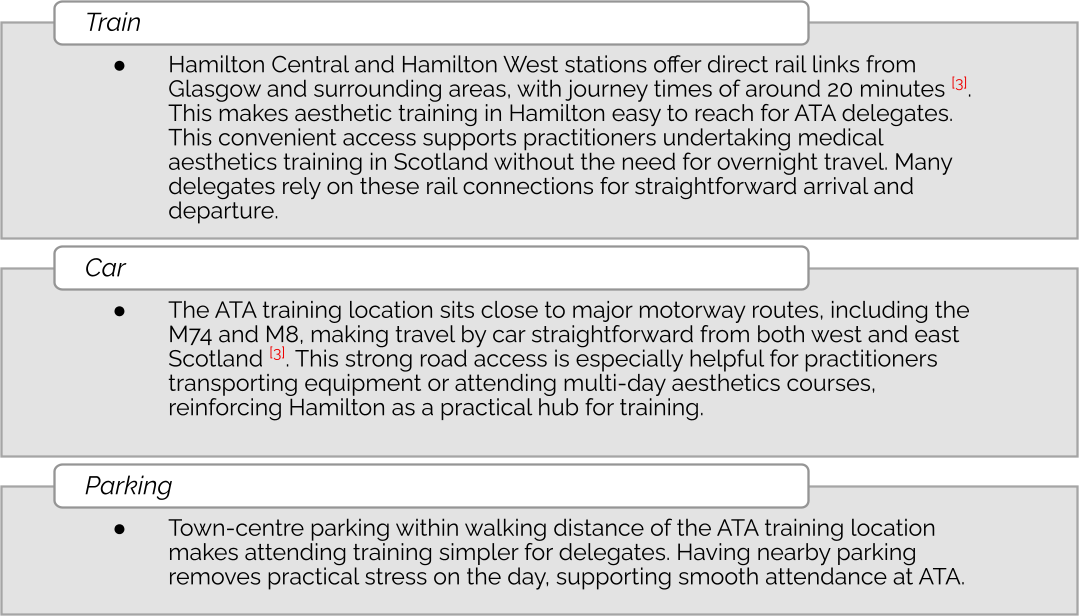
This ease of access to ATA training location extends to the day-to-day journey itself, with simple travel routes and nearby parking making attendance straightforward for delegates travelling from across Scotland.
Learning in a Working Clinic vs Hotel or Conference Setting
Traditional training venues for aesthetic training in Hamilton, such as hotels or conference rooms, can feel removed from the realities of everyday aesthetic practice [1].
It’s often only when practitioners step into a working clinic that the flow of treatments and patient care truly makes sense. ATA training provides this kind of authentic exposure, allowing delegates to learn within real treatment environments [3].
Temporary venues also tend to lack the equipment, workflow, and clinical atmosphere found in functioning clinics used for aesthetic training in Hamilton [1][5].
Learning in a working clinic helps delegates understand how hygiene protocols, room setup, and consultation processes operate in real settings [2]. These practical elements are fundamental to safe practice within medical aesthetics training in Scotland.
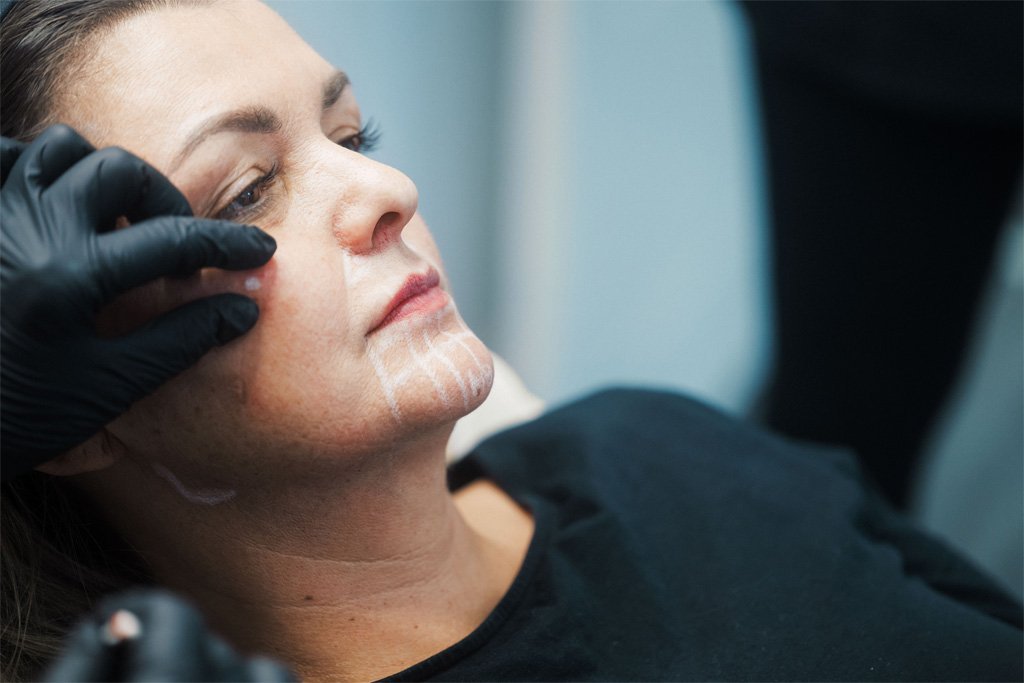
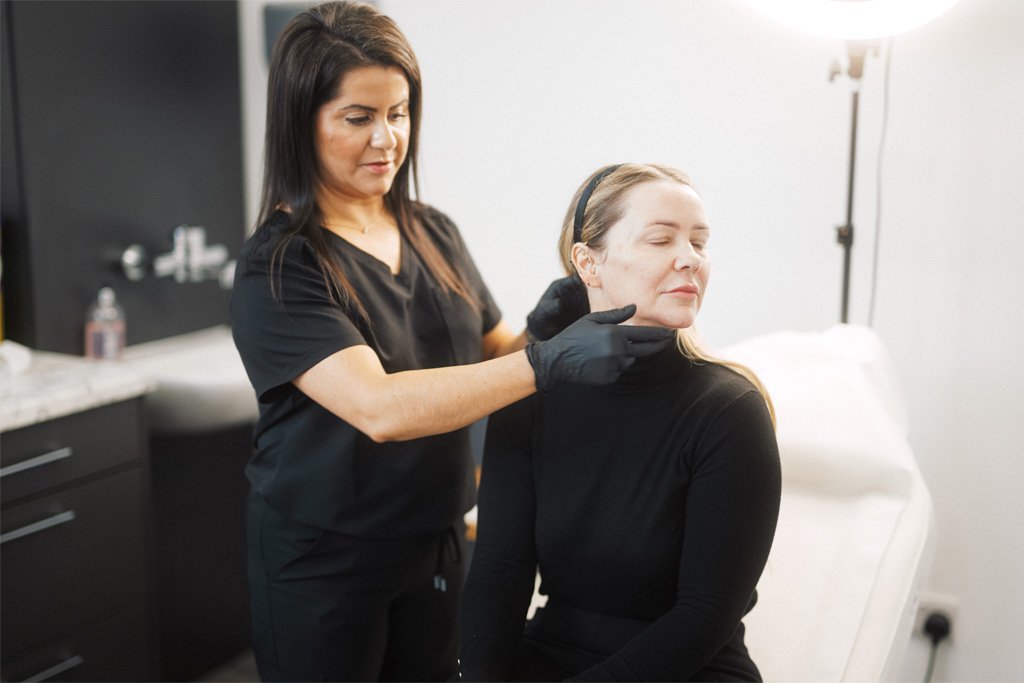
What Delegates Say
Practitioners undertaking medical aesthetics training in Scotland often notice how much a calm, organised clinical space supports their learning.
This is something delegates frequently mention when describing aesthetic training in Hamilton at ATA, where the environment is seen as welcoming, structured, and true to real clinical standards.
It’s this consistent feedback that shows how strongly aesthetic training at ATA benefits from a purpose-built clinical setting. In turn, the environment supports not only technical skill development but also the gradual formation of professional identity.
Learning Where Real Practice Happens
In aesthetic medicine, learning works best when it happens in the same setting where those skills will later be used.
This is exactly what practitioners find when they undertake aesthetic training in Hamilton at ATA, where education and real clinical practice naturally sit side by side.
If you’d like to experience this approach to medical aesthetics training in Scotland, explore ATA courses and join a learning environment shaped around everyday aesthetic practice.
BIBLIOGRAPHY
- Aesthetic Med. (2025). Red and green flags to watch out for in aesthetic training. [online] Available at:
https://aestheticmed.co.uk/red-and-green-flags-to-watch-out-for-in-aesthetic-training - Cosmetic Courses. (n.d.). Training excellence in aesthetics courses. [online] Available at:
https://cosmeticcourses.co.uk/training-excellence-in-aesthetics-courses/ - Dr Lauren Medical Aesthetics. (n.d.). Dr Lauren Medical Aesthetics. [online] Available at:
https://drlauren.co.uk/ - Harley Academy. (n.d.). Training courses for nurses. [online] Available at:
https://www.harleyacademy.com/training-courses-for-nurses/ - Lanarkshire Aesthetics. (n.d.). Hamilton aesthetics training courses. [online] Available at:
https://lanarkshireaesthetics.com/hamilton-aesthetics-training-courses/