
The field of medical aesthetics has grown rapidly over the past decade, attracting healthcare professionals who want to combine clinical expertise with cosmetic medicine.
However, a career in medical aesthetics requires much more than learning how to perform injections or treatments.
It is a structured professional journey that demands education, clinical judgment, and continuous development.
Many clinicians initially approach aesthetics as an additional skill or side service. In reality, those who succeed long-term treat it as a full aesthetics career pathway, investing in training, mentorship, and clinical experience.
Whether you are a nurse, dentist or doctor, understanding how to become an aesthetic practitioner involves deliberate steps that build competence and confidence over time.
Below is a step-by-step guide to building a sustainable and professional future in this rapidly evolving field.
Step 1: Solid Foundational Training
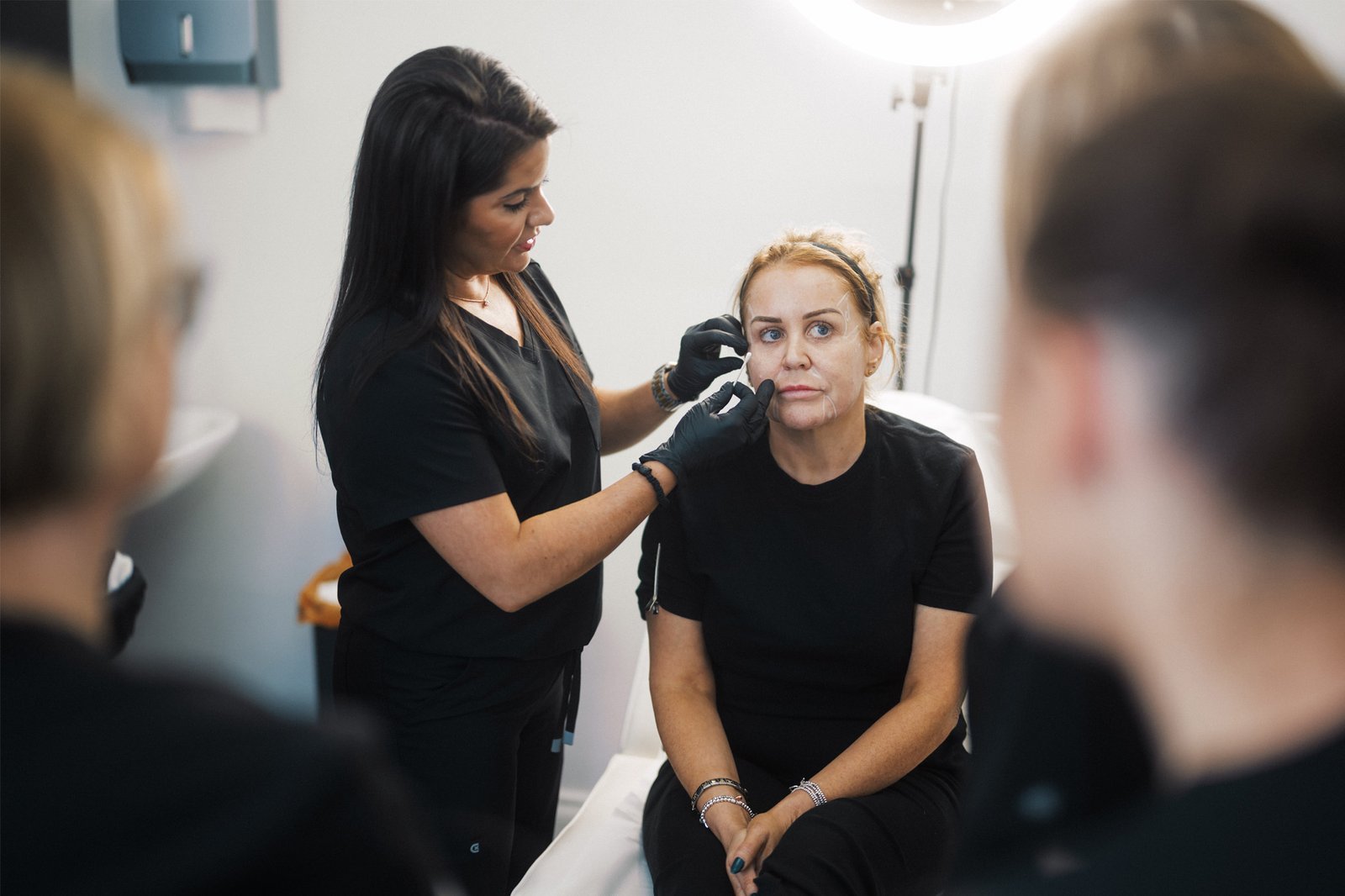
The first step in developing a successful career in medical aesthetics is obtaining high-quality foundational training. Aesthetics procedures involve medical interventions, and proper education ensures that treatments are performed safely and ethically.
Entry-level training typically introduces clinicians to:
- Facial aesthetics principles
- Patient consultation processes
- Basic injectable treatments
- Safety and complication management
- Clinical hygiene and treatment protocols
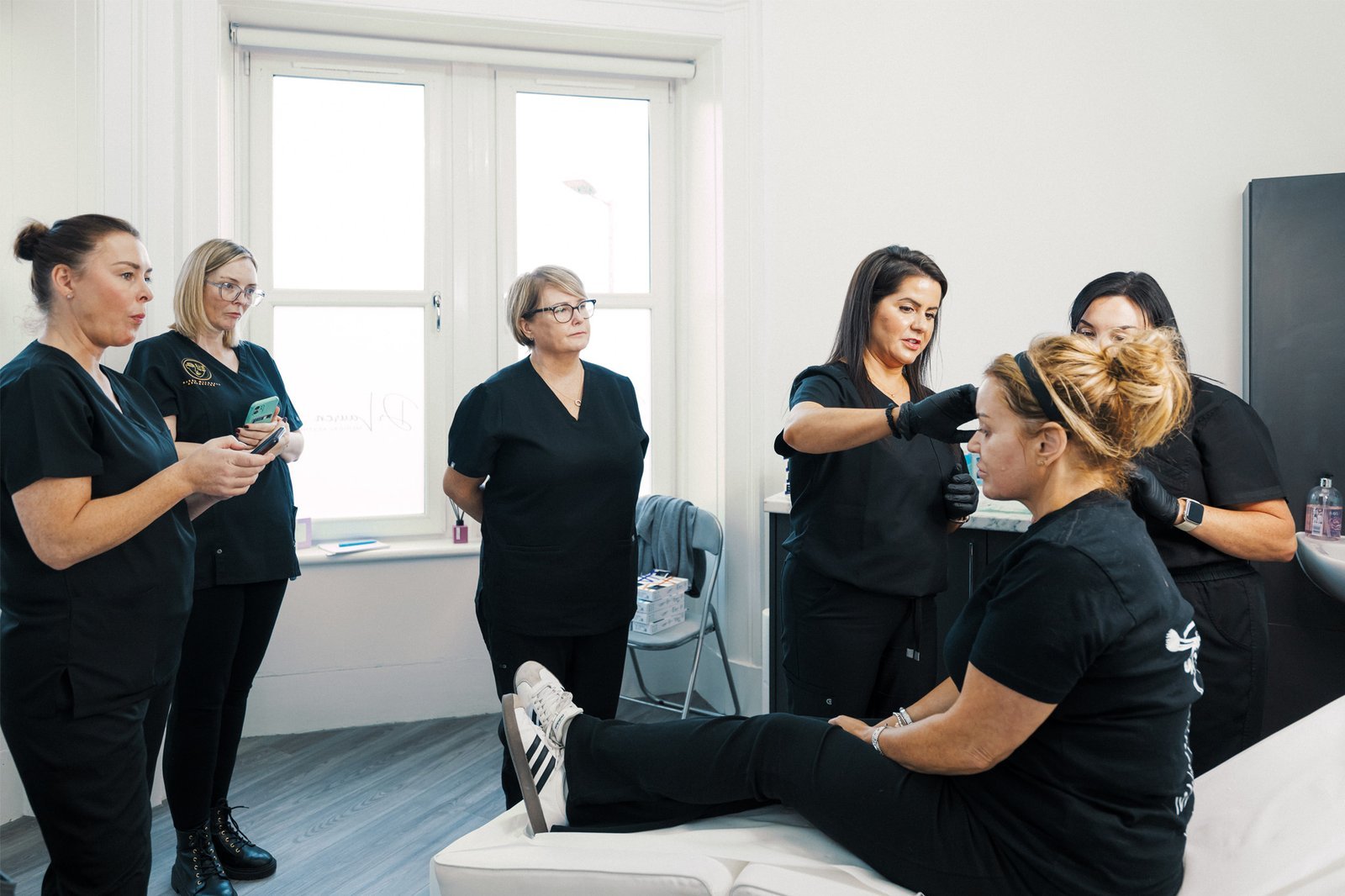
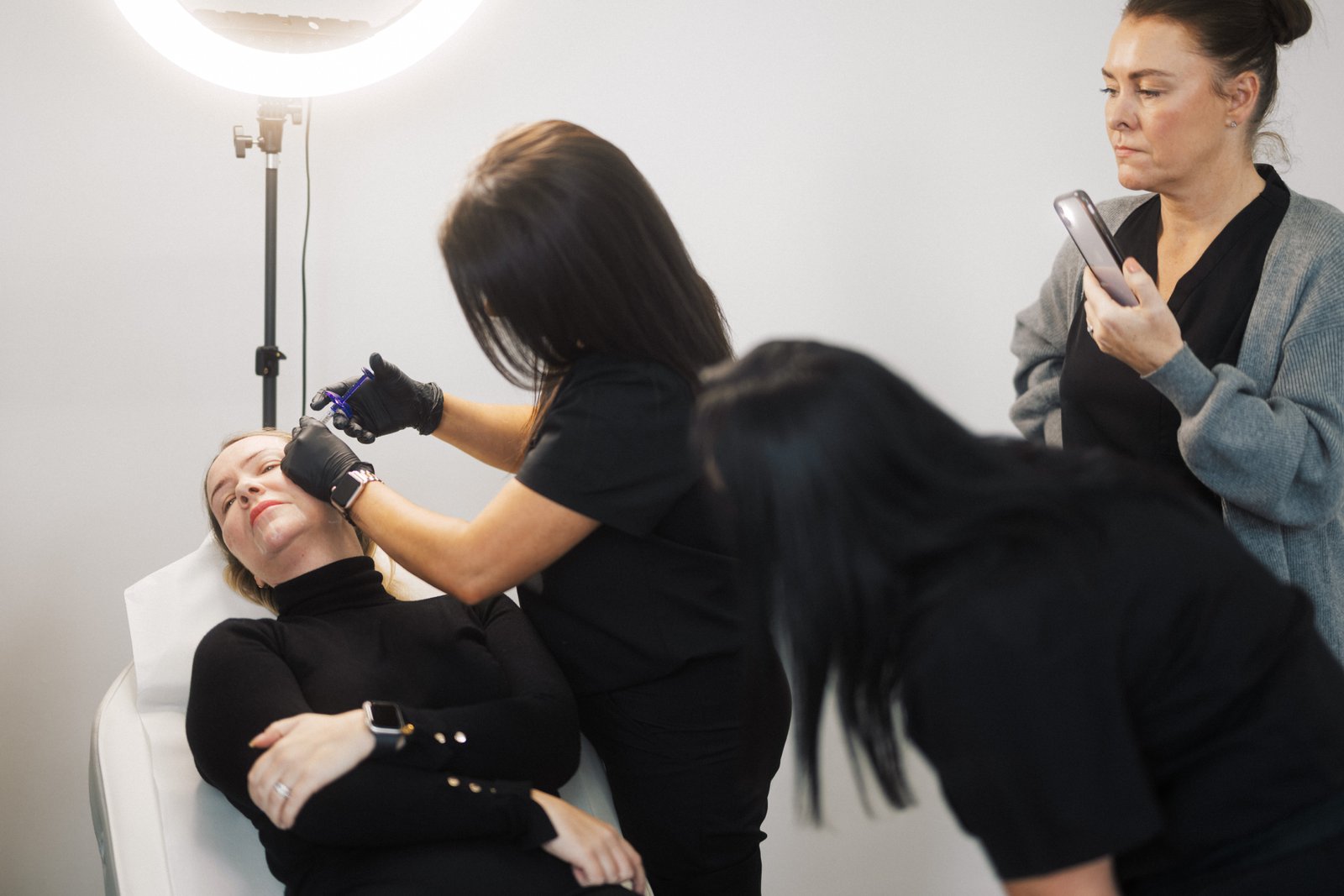
However, not all courses offer the same level of quality or supervision. When choosing a training program, clinicians should look for courses that provide hands-on experience, live patient training, and post-course support.
Structured programs (such as medical aesthetics training Scotland providers offer) often follow progressive training models that build skills gradually rather than attempting to teach everything in a single course.
For clinicians beginning a nurse aesthetics career, this first stage is critical. A strong foundation not only improves technical skills but also builds the professional credibility needed to attract patients and work in reputable clinics.
Step 2: Understanding Anatomy and Assessment
Technical skill alone is not enough to succeed in aesthetics. Aesthetic practitioners must have a deep understanding of facial anatomy, patient assessment, and treatment planning.
Advanced knowledge areas include:
- Facial vascular anatomy
- Muscle function and movement patterns
- Ageing processes and skin changes
- Facial symmetry and proportion
- Risk zones and complication prevention
This knowledge allows practitioners to move beyond simply performing procedures and toward delivering personalised treatment plans.
Patient assessment is another crucial skill. Every face is unique, and aesthetic treatments must be tailored to individual anatomy, skin quality, and aesthetic goals.
Understanding anatomy is also essential for managing complications; an unavoidable aspect of aesthetic medicine that every practitioner must be prepared to handle.
Step 3: Supervised Practice and Mentorship
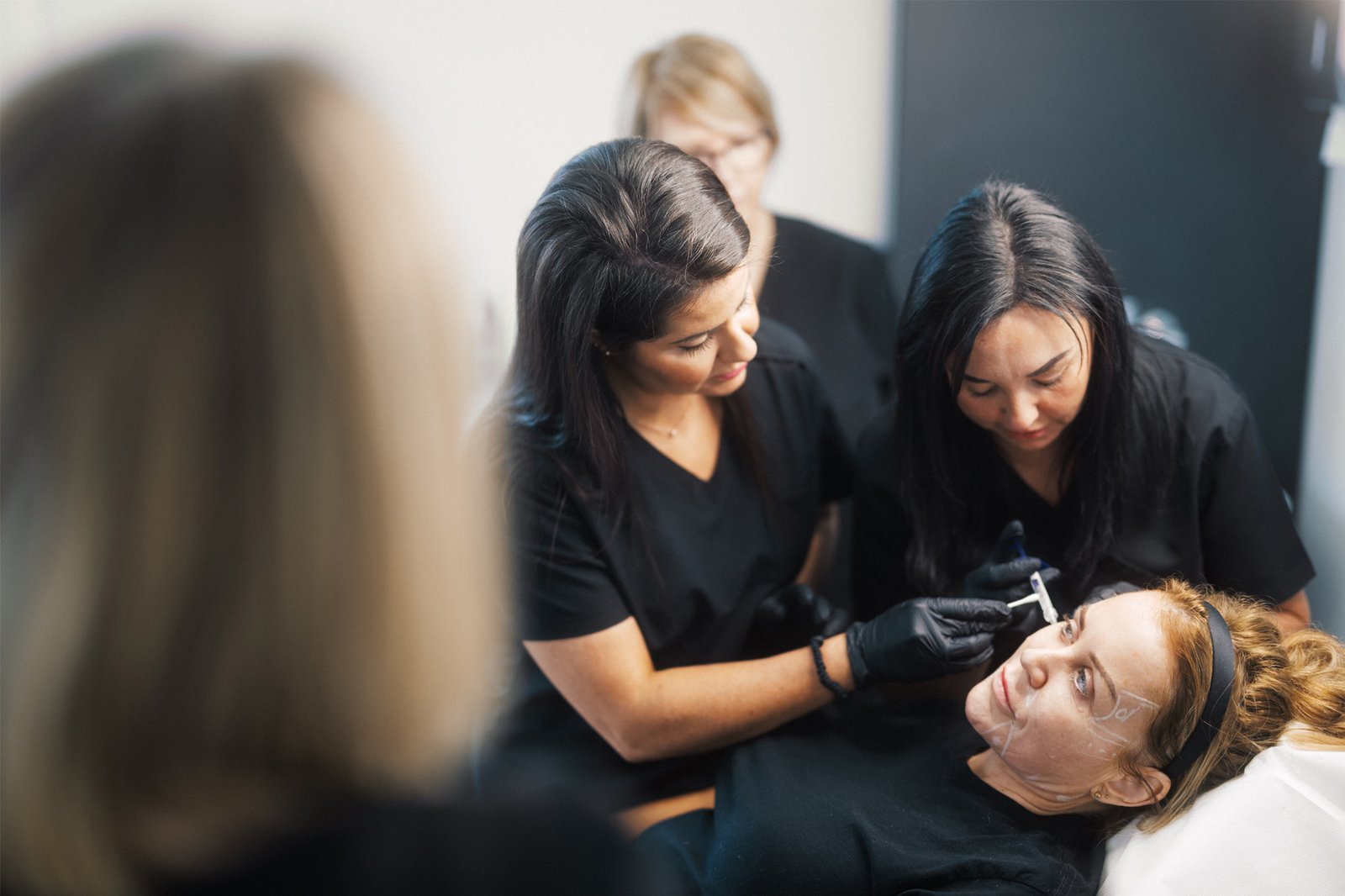
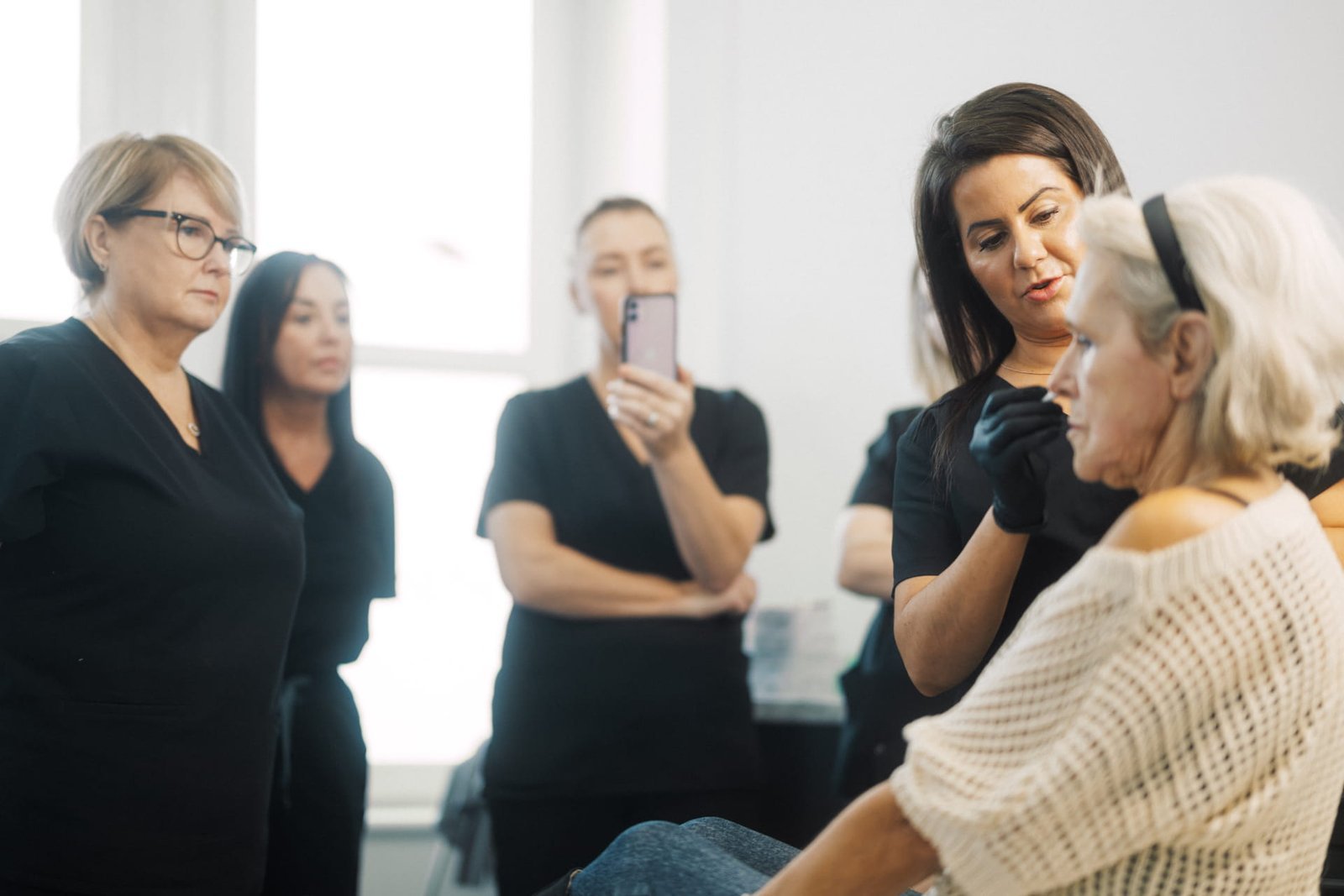
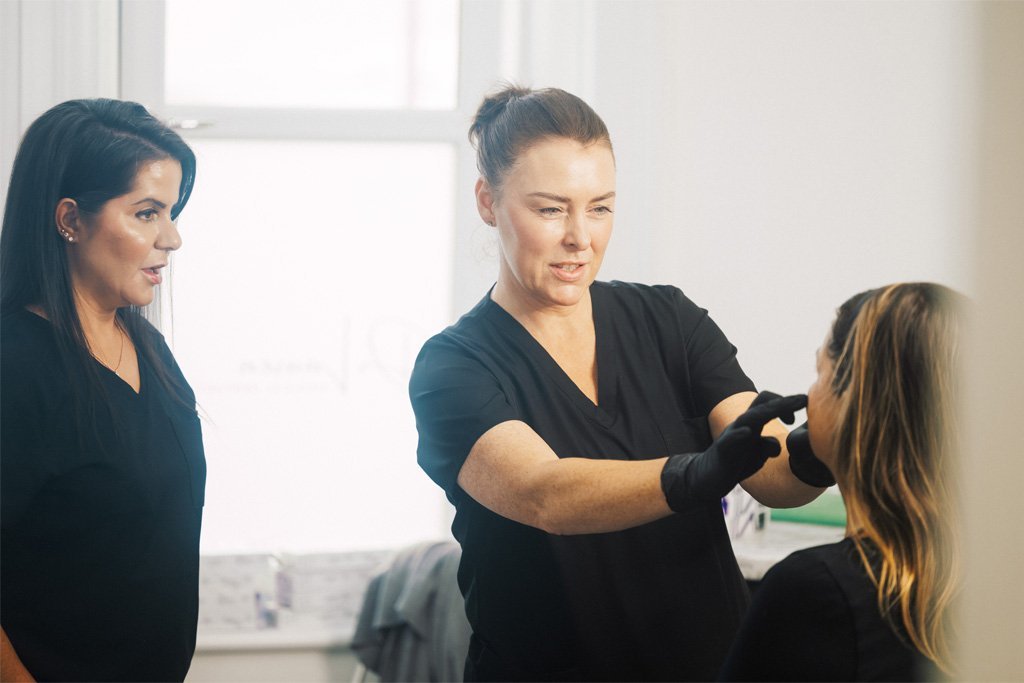
One of the most overlooked steps in how to become an aesthetic practitioner is gaining supervised clinical experience. After completing initial training, practitioners should seek opportunities to practice under the guidance of experienced professionals.
Mentorship offers several benefits:
- Real-time feedback during treatments
- Guidance on patient selection
- Advice on managing complications
- Exposure to a wide variety of cases
- Professional support during early career stages
Mentorship is particularly valuable for clinicians transitioning into a nurse aesthetics career, as many nurses enter aesthetics without prior cosmetic medicine experience.
Working alongside experienced practitioners helps new clinicians build confidence while maintaining patient safety.
Over time, mentorship helps practitioners transition from beginner-level procedures to more advanced aesthetic treatments.
Step 4: Developing Judgement, Not Just Speed
Early in their training, many aesthetic practitioners focus heavily on technical speed; how quickly they can perform injections or treatments. While efficiency is useful, long-term success in aesthetics depends far more on clinical judgment.
Good aesthetic practitioners develop the ability to:
- Identify when a patient is not suitable for treatment
- Create balanced and natural treatment plans
- Recognise subtle facial asymmetries
- Avoid over-treatment
- Prioritise patient safety over commercial pressure
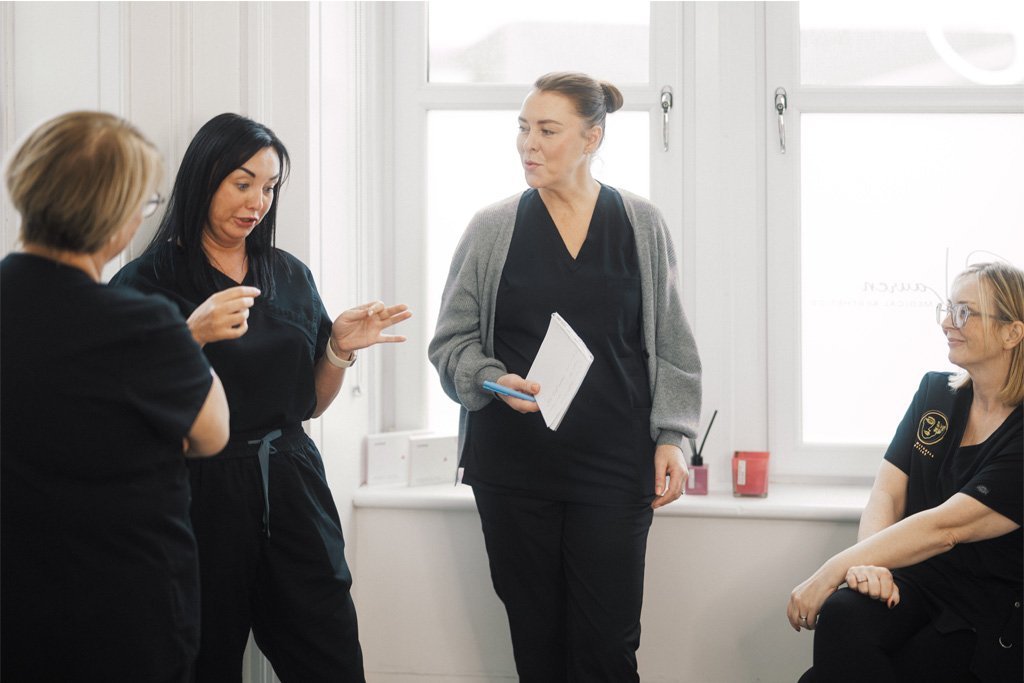
Developing this judgment takes time and experience. It requires studying case outcomes, reviewing treatment results, and learning from both successful and challenging cases.
As practitioners progress through their aesthetics career pathway, their decision-making skills become just as important as their technical abilities.
Step 5: Finding the Right Professional Environment
The environment in which a clinician practices plays a major role in shaping their career in medical aesthetics. A supportive clinic can accelerate professional growth, while a poorly managed environment may limit development.
Ideal practice environments typically offer:
- Access to experienced mentors
- Strong clinical governance and safety protocols
- Opportunities for continuing education
- Ethical treatment standards
- Support for professional development
Clinicians early in their nurse aesthetics career should prioritise learning opportunities over short-term financial incentives. Working in a reputable clinic provides exposure to best practices and builds a strong professional reputation.
Common Mistakes Clinicians Make Early On
Many clinicians entering aesthetics make similar mistakes during the early stages of their careers. Recognising these pitfalls can help practitioners build a stronger and more sustainable professional path.
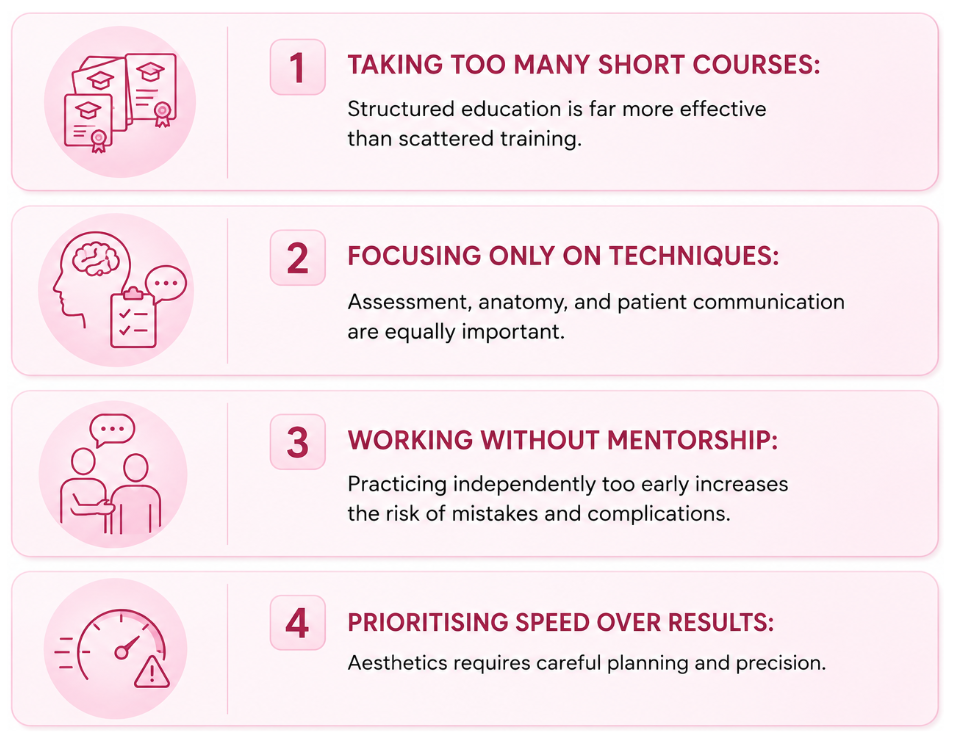
Avoiding these mistakes helps clinicians build a safer, more reputable career in medical aesthetics.
Thinking Long-Term in Aesthetics
A successful career in medical aesthetics is built over years, not months. Practitioners who approach aesthetics with a long-term mindset tend to develop stronger skills, better patient relationships, and more sustainable practices.
The most respected practitioners follow a continuous growth model that includes:
- Advanced education and specialisation
- Ongoing anatomy study
- Clinical mentorship
- Ethical treatment planning
- Patient-centered care
For healthcare professionals exploring how to become an aesthetic practitioner, the key is to view aesthetics not simply as a technical skill but as a medical discipline that combines science, artistry, and patient care.
Whether you are pursuing medical aesthetics training in Scotland programs or developing your nurse aesthetics career, taking a structured and thoughtful approach will set the foundation for long-term professional success.
In a field where trust, expertise, and results matter deeply, investing in the right aesthetics career pathway today can lead to a rewarding and respected role in the future of aesthetic medicine.
Bibliography:
- Renu Academy – 2025 – How to Start a Career in Aesthetics: A Step-by-Step Roadmap [online] Available at:
https://renuacademy.co.uk/how-to-start-a-career-in-aesthetics-a-step-by-step-roadmap/ - CBAM – 2025 – Complete Guide to Careers in Aesthetic Medicine: Training, Requirements, and Business Development [online] Available at:
https://www.cbamedicine.com/blog/complete-guide-to-careers-in-aesthetic-medicine/