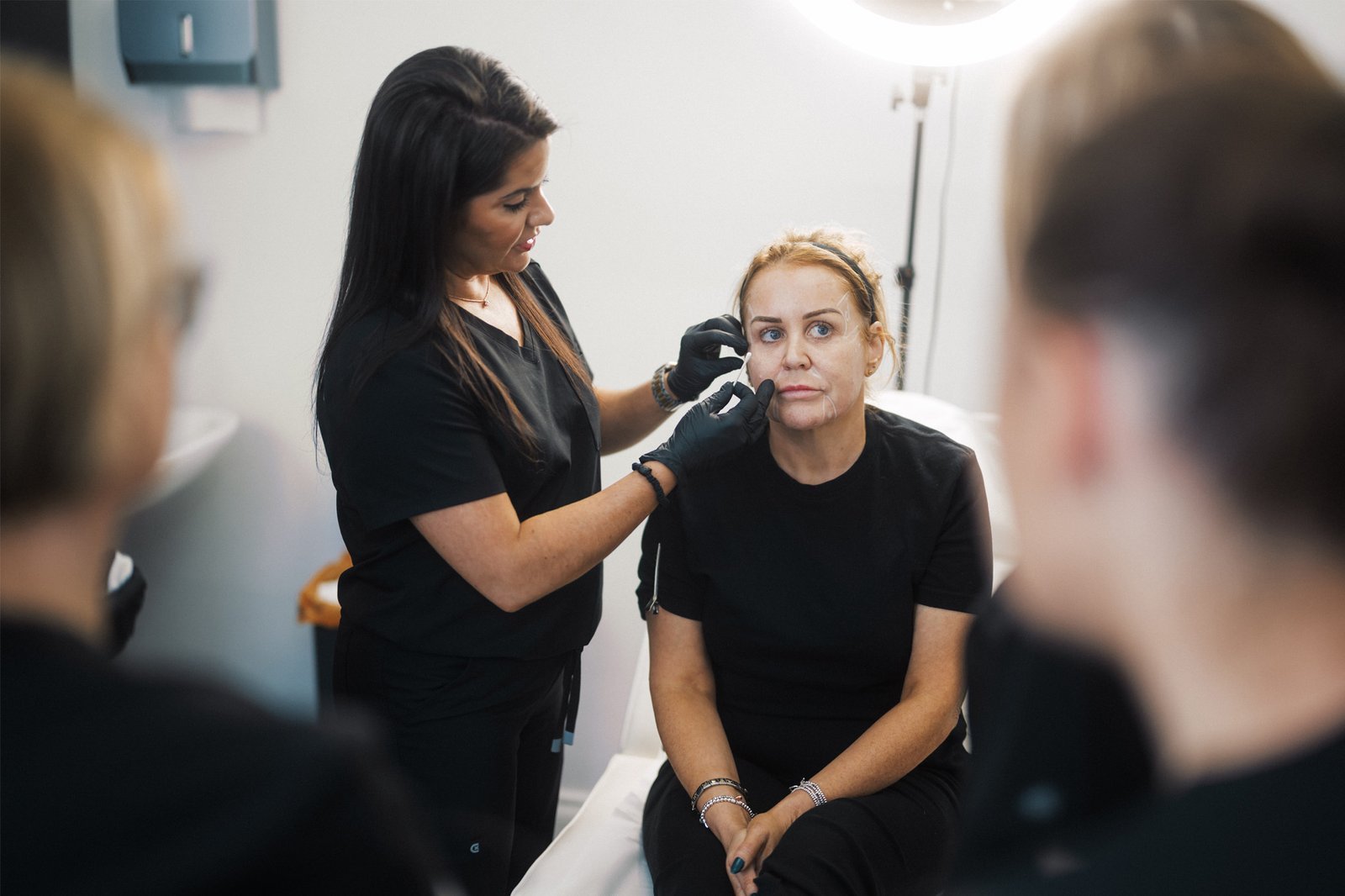
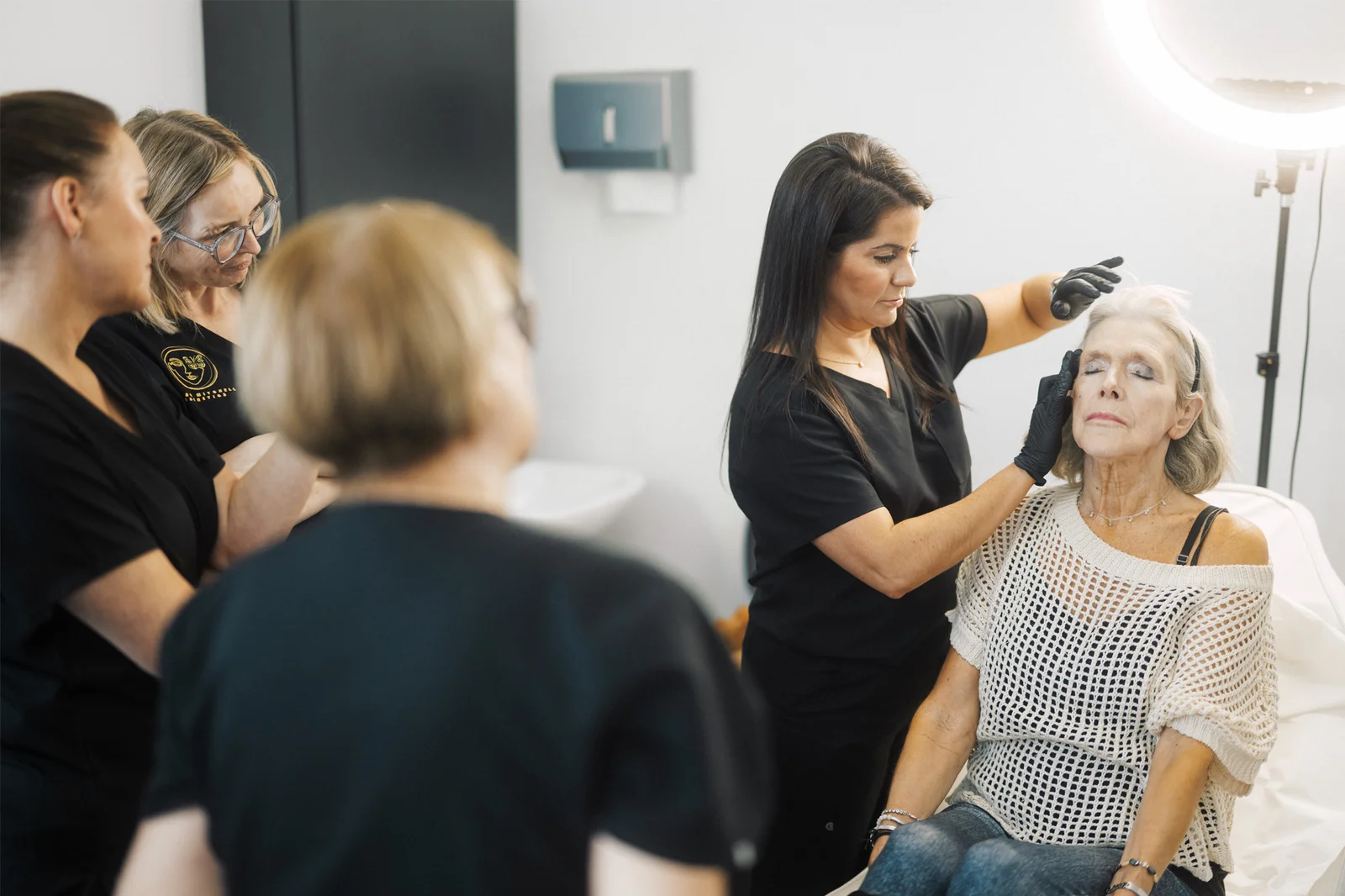
Just like any evolving area within healthcare, aesthetics is undergoing a quiet but meaningful shift.
We’re seeing growing interest in what was once considered a niche pathway, as awareness of aesthetic medicine continues to expand and more healthcare professionals begin exploring opportunities within the field.
At its core is the opportunity to build a medical aesthetics career that blends clinical expertise with a more personalised, patient-focused approach to care. For many, this is where aesthetics begins to stand apart.
And for those wondering how to get into aesthetics, understanding who the field is truly suited to should be the natural first step.
Who Can Train
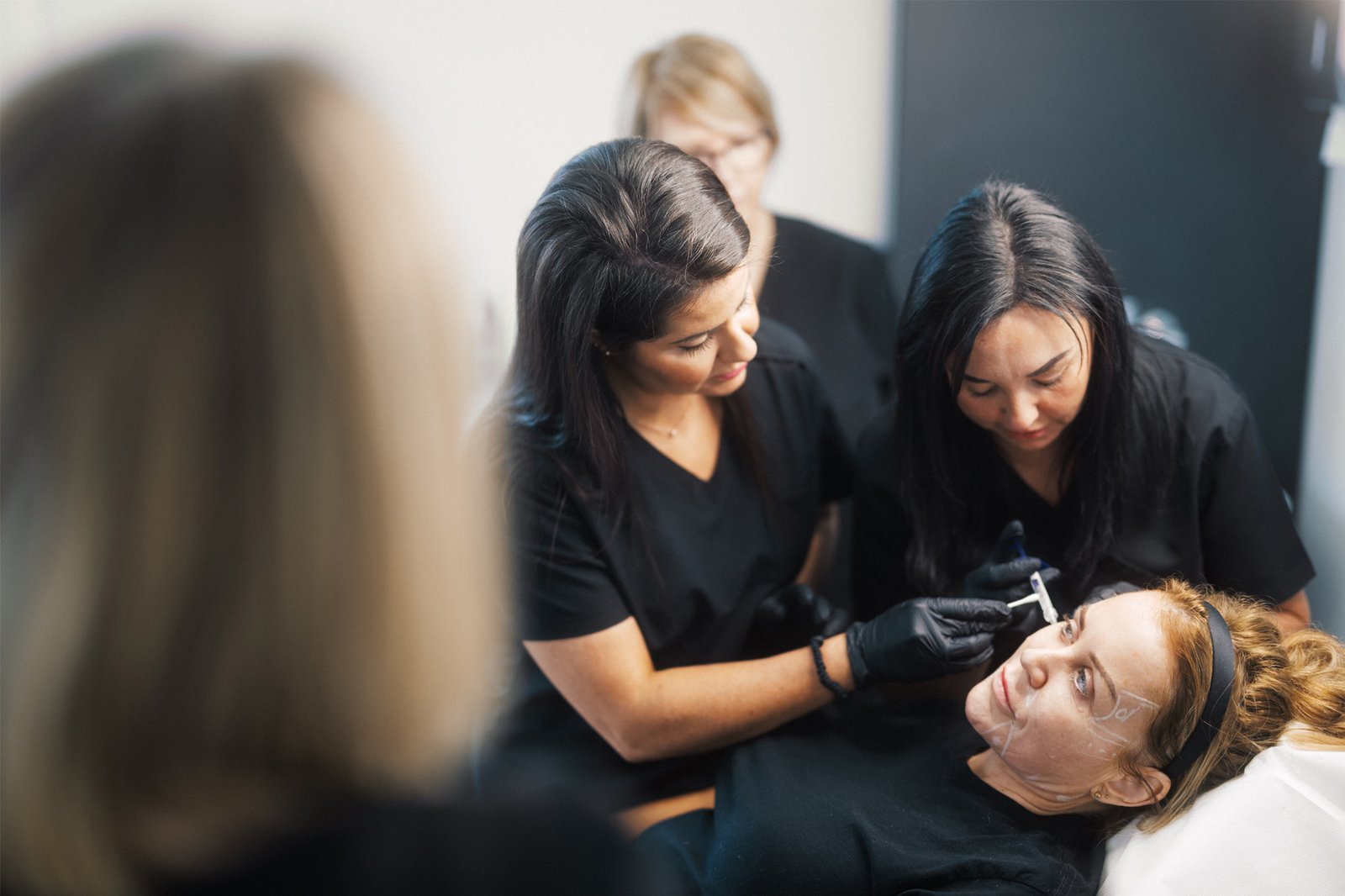
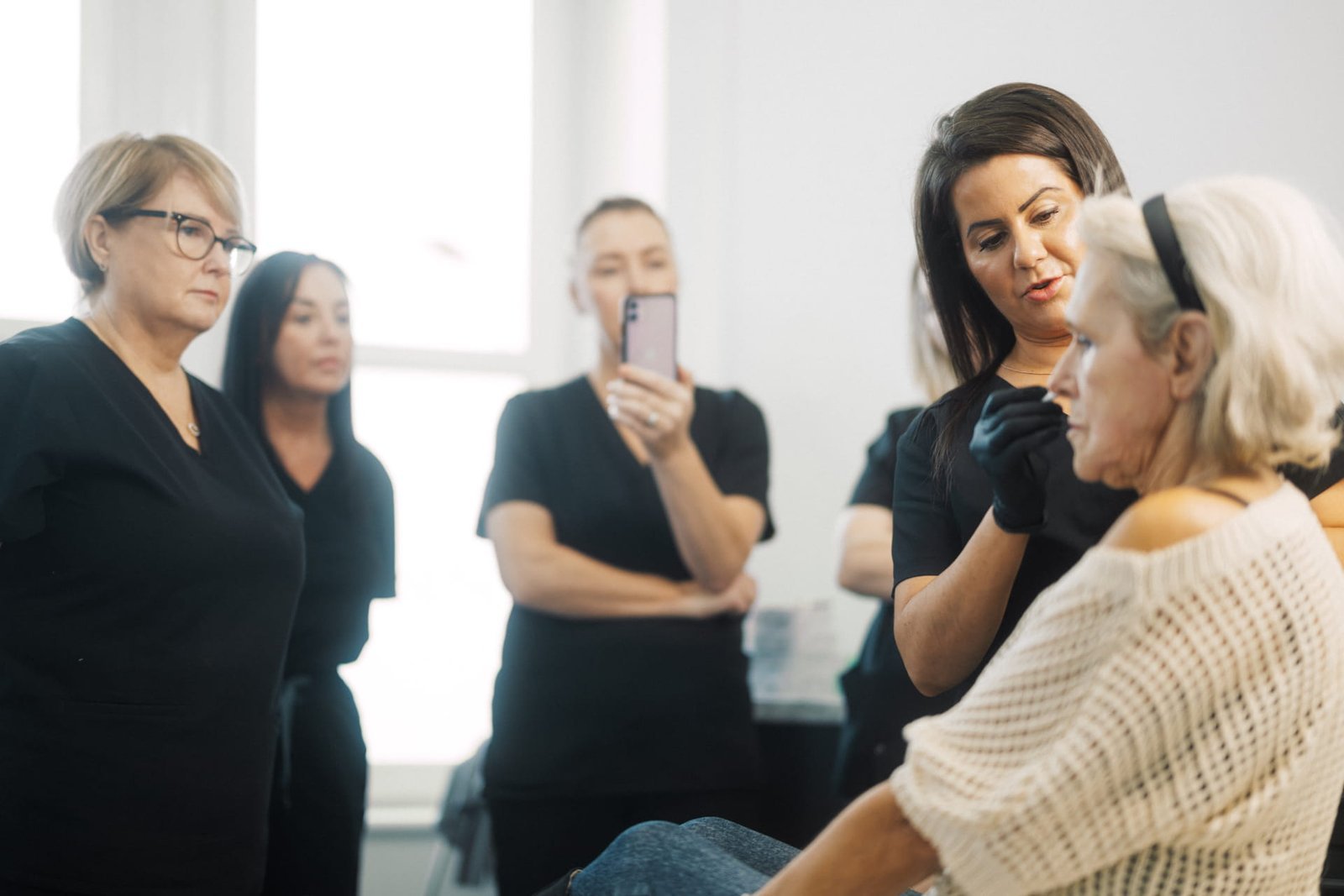
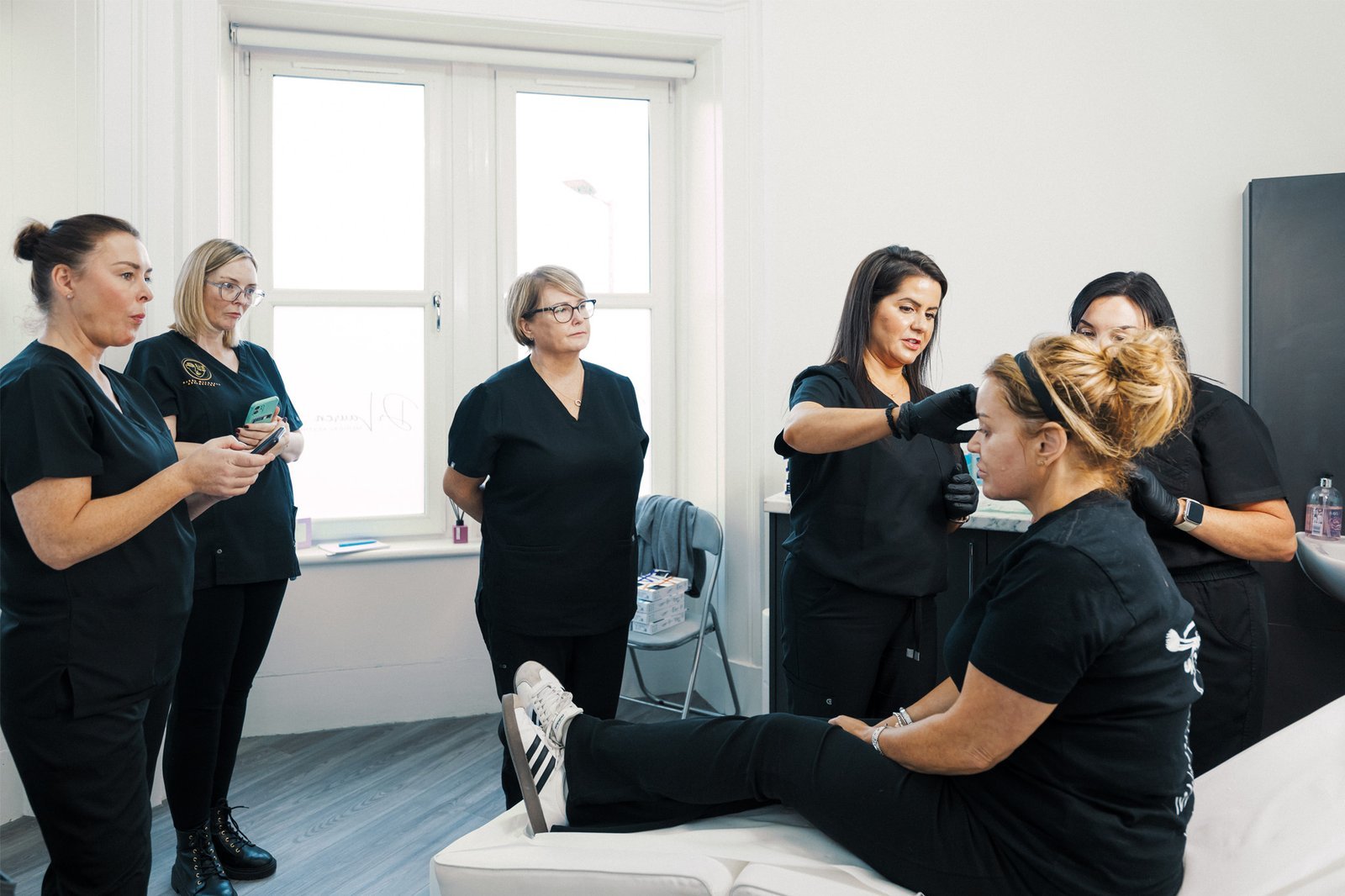
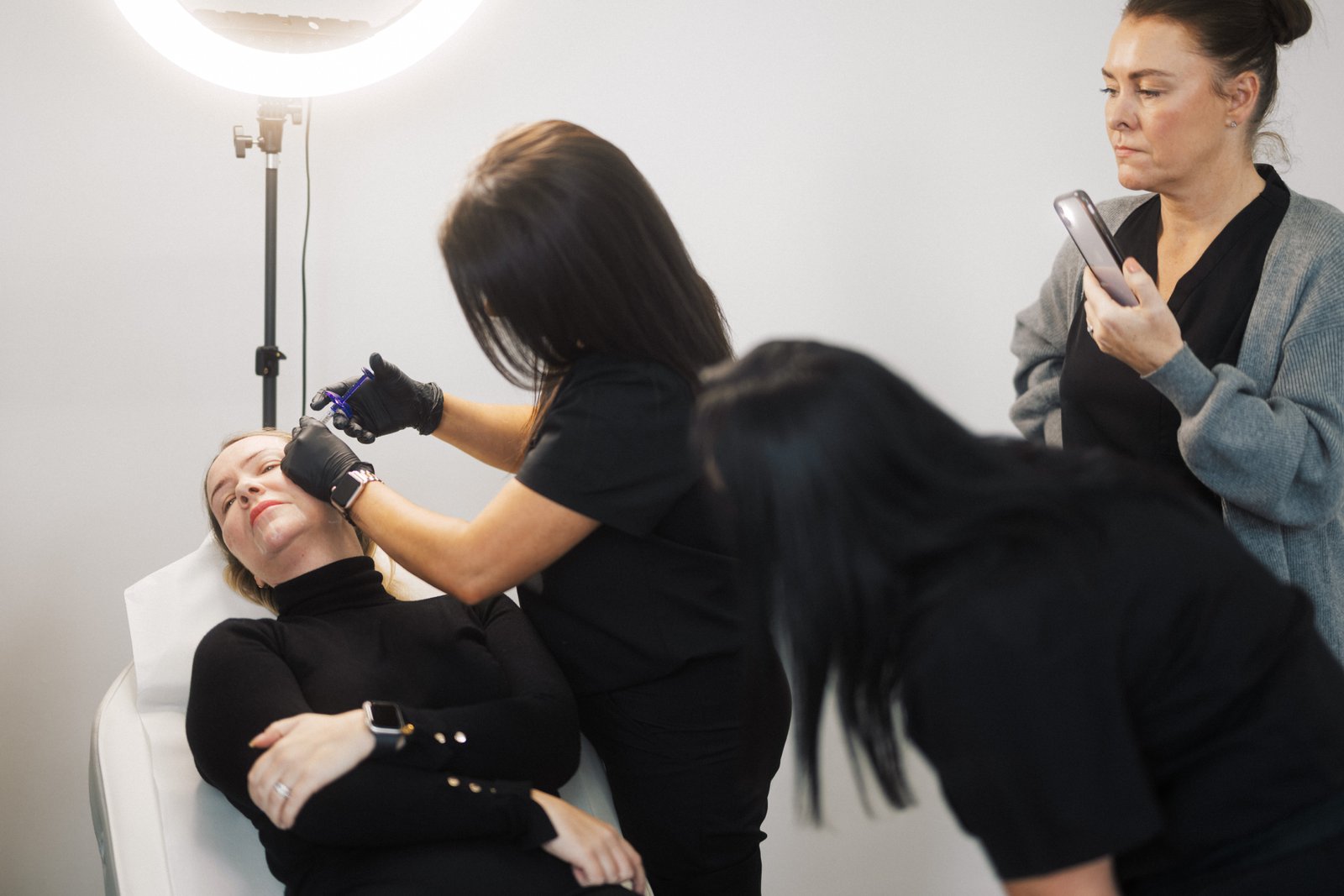
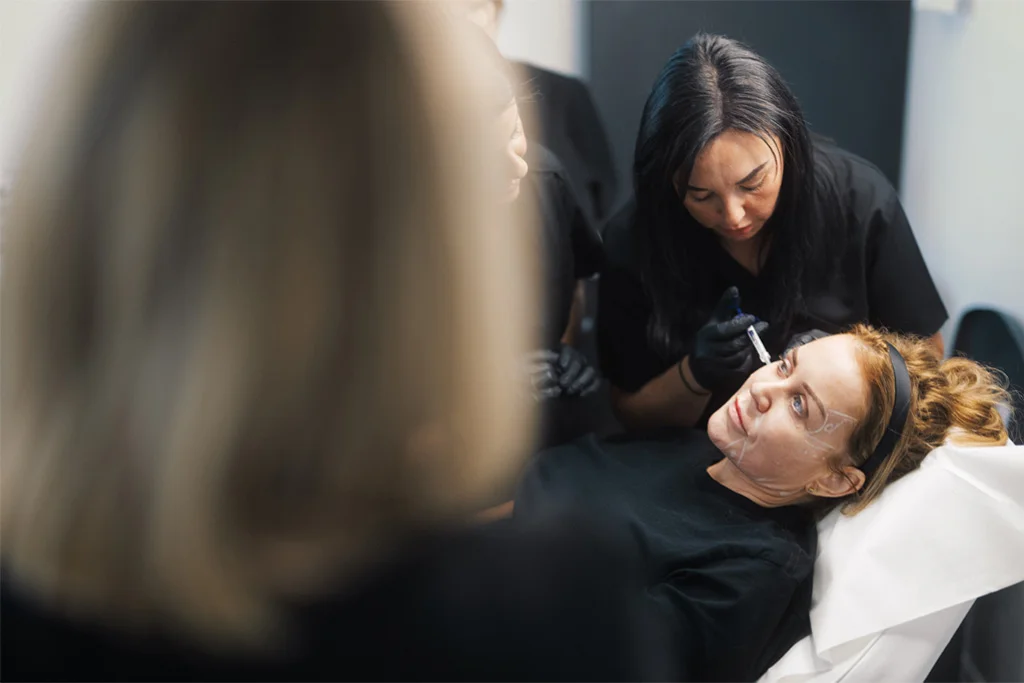
One of the most common questions is who can do aesthetic training in Scotland. In practice, it’s important to recognise that aesthetic training is intended for regulated healthcare professionals such as nurses, dentists and doctors rather than the general public [2].
Why They Choose Aesthetics
So why are so many professionals exploring how to get into aesthetics? For many, one of the key attractions of a medical aesthetics career is the level of autonomy it offers, giving practitioners greater control over both their schedules and clinical decisions [5].
There’s a growing appeal in that independence, whether it’s the ability to run a practice or shape a role that feels more aligned with personal and professional goals [5].
Aesthetic medicine combines clinical knowledge and artistic skill, which is why aesthetics for dentists and other professionals can be both technically engaging and creatively fulfilling.
Unlike more protocol-driven areas of medicine, aesthetics allows practitioners to take a more individualised approach, where treatments are tailored, and outcomes are shaped with precision [6].
For many, that balance is what makes the work so rewarding. It’s also one of the reasons why aesthetics for nurses and doctors in Scotland continues to grow, as practitioners can see visible results from their work while still maintaining a high level of clinical accuracy [4].
Unlike some areas of healthcare, aesthetic medicine offers a different pace, one that allows for longer consultations and the development of ongoing patient relationships, which many find highly rewarding [5].
With more time to understand individual goals, building trust becomes central to delivering safe and effective treatments [2]. This relationship-focused approach also means that communication skills are just as important as technical ability in a medical aesthetics career [6].
What to Expect
For anyone asking who can do aesthetic training in Scotland, it’s essential to recognise that eligibility is only the starting point, with continuous education playing a key role in long-term success [2].
While aesthetics can be highly rewarding, it’s essential to approach them with realistic expectations, especially when considering how to enter the field of aesthetics.
It’s easy to be drawn in by the appeal of the field, but a medical aesthetics career comes with a significant learning curve, particularly for those new to injectables and facial assessment [3].
Another aspect that often becomes more apparent the deeper you look into the field is responsibility. Aesthetic treatments carry clinical risks and require a strong understanding of anatomy and complication management [2].
For those transitioning from other fields, this involves adapting existing skills to a new clinical context that demands both precision and careful judgement [5].
Lastly, a medical aesthetics career doesn’t simply end after initial training. It’s something that continues to develop over time, evolving as your experience grows. Many practitioners progress into advanced courses and further qualifications, gradually building their expertise.
Building a sustainable medical aesthetics career means committing to continuous learning, seeking mentorship, and engaging in reflective practice as your understanding deepens over time [6].
Is It Right for You
Deciding whether aesthetics is the right path starts with mindset, rather than just qualifications or technical ability [1].
Those who thrive in their medical aesthetics career tend to have a genuine interest in patient care, attention to detail, and a commitment to achieving natural, balanced results [5].
A strong focus on patient care is also essential, as aesthetic treatments are elective and rely on careful consultation, ethical decision-making, and clear communication [2].
At every stage, practitioners must prioritise patient safety, manage expectations realistically, and ensure informed consent is fully understood [2].
Equally important is a genuine willingness to learn, as no single course can prepare someone for every clinical scenario.
It’s something that becomes clearer over time, the more you progress, the more there is to understand. Success in aesthetics relies on the ability to adapt and grow, especially as techniques, products, and regulations continue to evolve [2].
Common Misconceptions
One of the most common misconceptions about aesthetics is that it offers quick financial success with minimal effort. In reality, building a successful medical aesthetics career takes time, consistency, and a strong reputation built on safe, ethical practice [5].
Similarly, the idea that it’s an easy transition can be misleading, as the clinical and regulatory demands are significant [2].
Even for those who meet the criteria for who can do aesthetic training in Scotland, the move requires dedication, consistent practice, and ongoing support.
While prior clinical experience is invaluable, aesthetic practice still calls for additional training, new skill sets, and a different approach to patient care [2].
Understanding who can do aesthetic training in Scotland is only the starting point. It’s often the first step that brings clarity, but what truly matters is whether your mindset, commitment, and approach align with the realities of the field.
Because, like any worthwhile career path, aesthetics isn’t a shortcut. It requires time, consistency, and intention. But for the right professional, it can become one of the most rewarding and fulfilling directions to pursue.
BIBLIOGRAPHY
- Cosmetic Courses. (n.d.). Aesthetics training knowledge hub. [online] Available at:
https://cosmeticcourses.co.uk/aesthetics-knowledge-hub/aesthetics-training-knowledge-hub/ - Derma Institute. (n.d.). Navigating the UK regulations in aesthetic medicine. [online] Available at:
https://dermainstitute.co.uk/navigating-the-uk-regulations-in-aesthetic-medicine/ - Hamilton Fraser. (n.d.). Getting started in aesthetics for doctors. [online] Available at:
https://www.hamiltonfraser.co.uk/content-hub/getting-started-in-aesthetics-for-doctors - London Academy of Aesthetic Medicine. (n.d.). Nurses. [online] Available at:
https://www.thelaam.co.uk/nurses-2/ - PolicyBee. (n.d.). A guide to aesthetics qualifications and starting a practice. [online] Available at:
https://www.policybee.co.uk/blog/a-guide-to-aesthetics-qualifications-and-starting-a-practice - Smileworks Hub. (n.d.). How to become an aesthetic practitioner UK. [online] Available at:
https://smileworks-hub.co.uk/free-resources-news/how-to-become-an-aesthetic-practitioner-uk/