Entering the world of medical aesthetics is exciting. Botox and injectable treatments offer a rewarding career path, strong demand, and the chance to make a real difference to patients’ confidence.
But for many new injectors, that excitement quickly turns into anxiety, self-doubt, or stalled progress. The reason is often the same: the wrong training.
Choosing poorly designed or low-quality Botox courses doesn’t just waste money. It delays confidence, limits clinical ability, and, most importantly, can damage patient trust before a career has even properly begun.
Understanding the most common aesthetic training mistakes is the first step toward avoiding them.
Why Choosing the Wrong Training Costs More Than Money
Many practitioners assume that once they’ve completed a certificate, they’re “qualified” and ready to practice. In reality, medical aesthetics training should be the foundation of a long-term clinical skillset, not a box-ticking exercise.
When training is inadequate, new injectors often experience:
- Fear of complications and uncertainty in treatment planning
- Over-reliance on templates instead of clinical judgement
- Hesitation that patients can sense immediately
- Slower career progression and loss of confidence
Let’s explore why some Botox courses UK providers fail new injectors and how to spot the difference between surface-level teaching and proper medical aesthetics training.
Mistake 1: Choosing Price Over Standards
One of the most common aesthetic training mistakes is prioritising cost over quality. The UK aesthetics market is saturated with cheap courses promising fast-track success, instant certification, and “one-day expert” status.
These courses often involve:
- Large groups with minimal individual attention
- Rushed theory classes
- Limited or no hands-on injecting
- Certificates issued regardless of competence
Botox is a prescription-only medicine that directly affects facial anatomy, muscle function, and patient safety. This is not an area where shortcuts belong. Poor-quality injector training increases the risk of complications, poor aesthetic outcomes, and dissatisfied patients.
While accredited botox courses may appear more expensive initially, they reflect the real costs of safe training: experienced clinicians, proper supervision, real patients, and clinical governance.
Cutting corners at the start often leads to paying more later; in retraining, lost confidence, or reputational damage.
Mistake 2: Not Enough Supervised Injecting
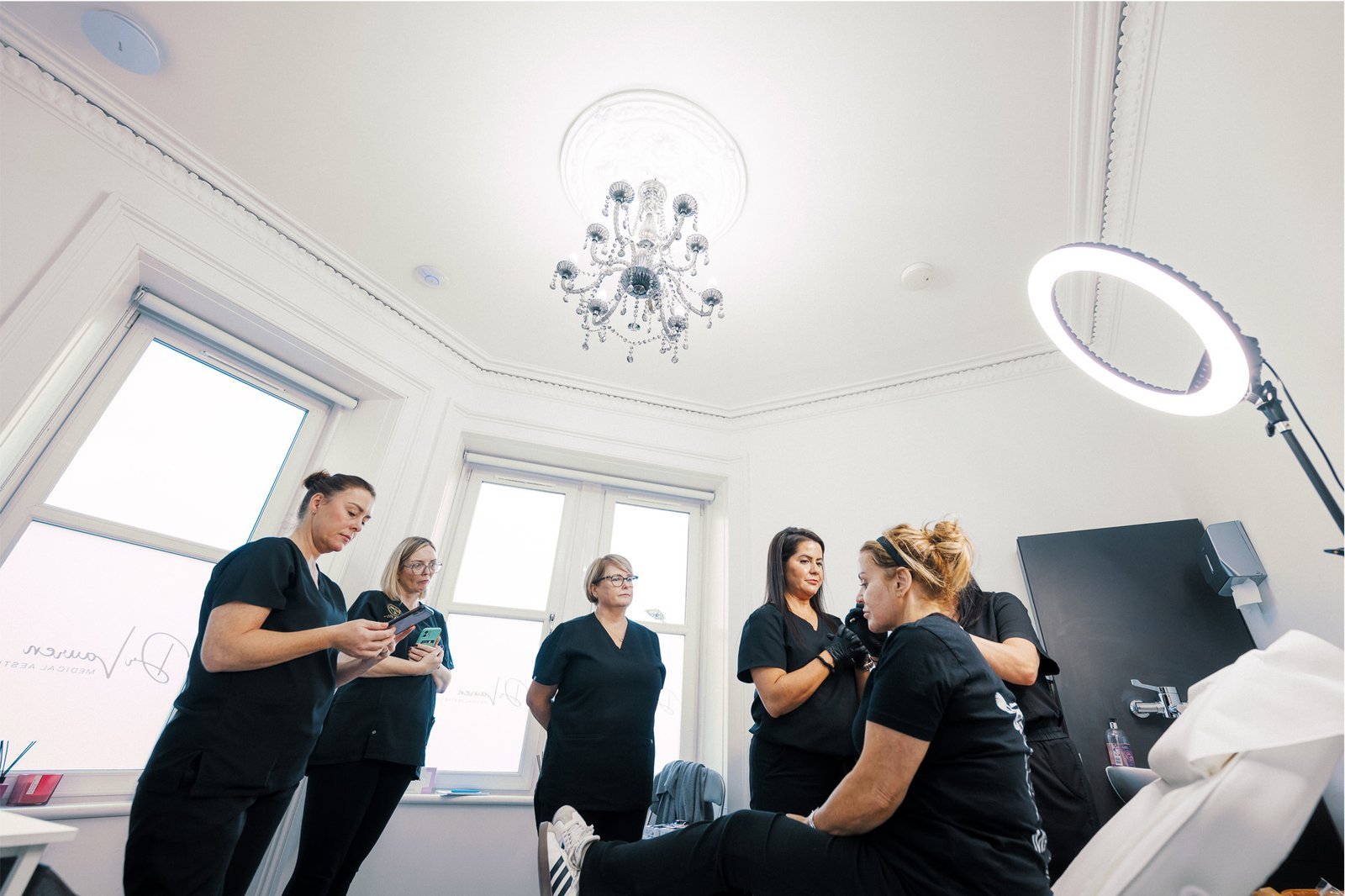
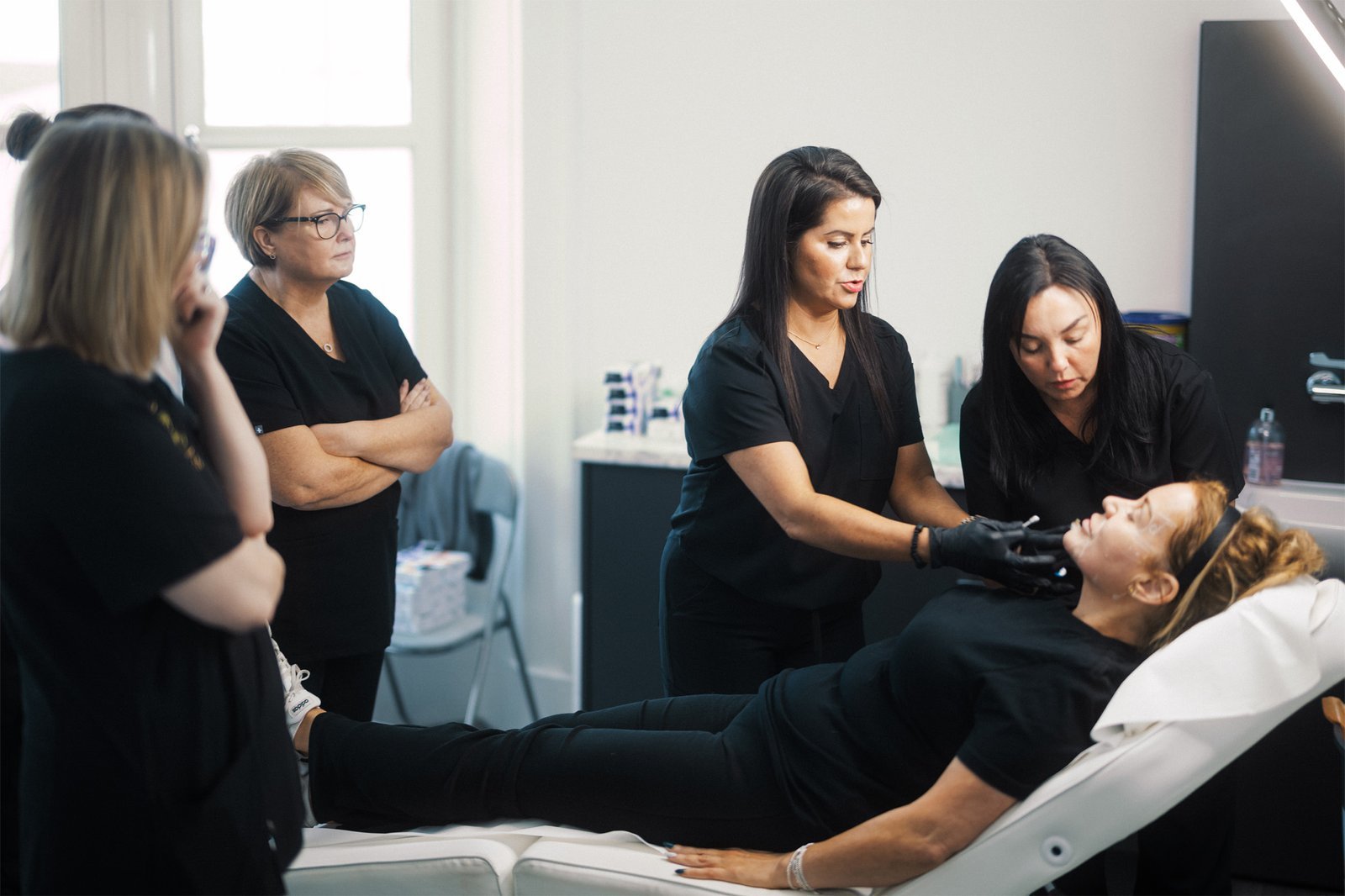
Watching a demonstration is not the same as performing a treatment. One of the biggest failures in many Botox courses UK wide is the lack of meaningful, supervised injecting time.
True skill development happens when:
- You assess a patient yourself
- You mark and plan the treatment
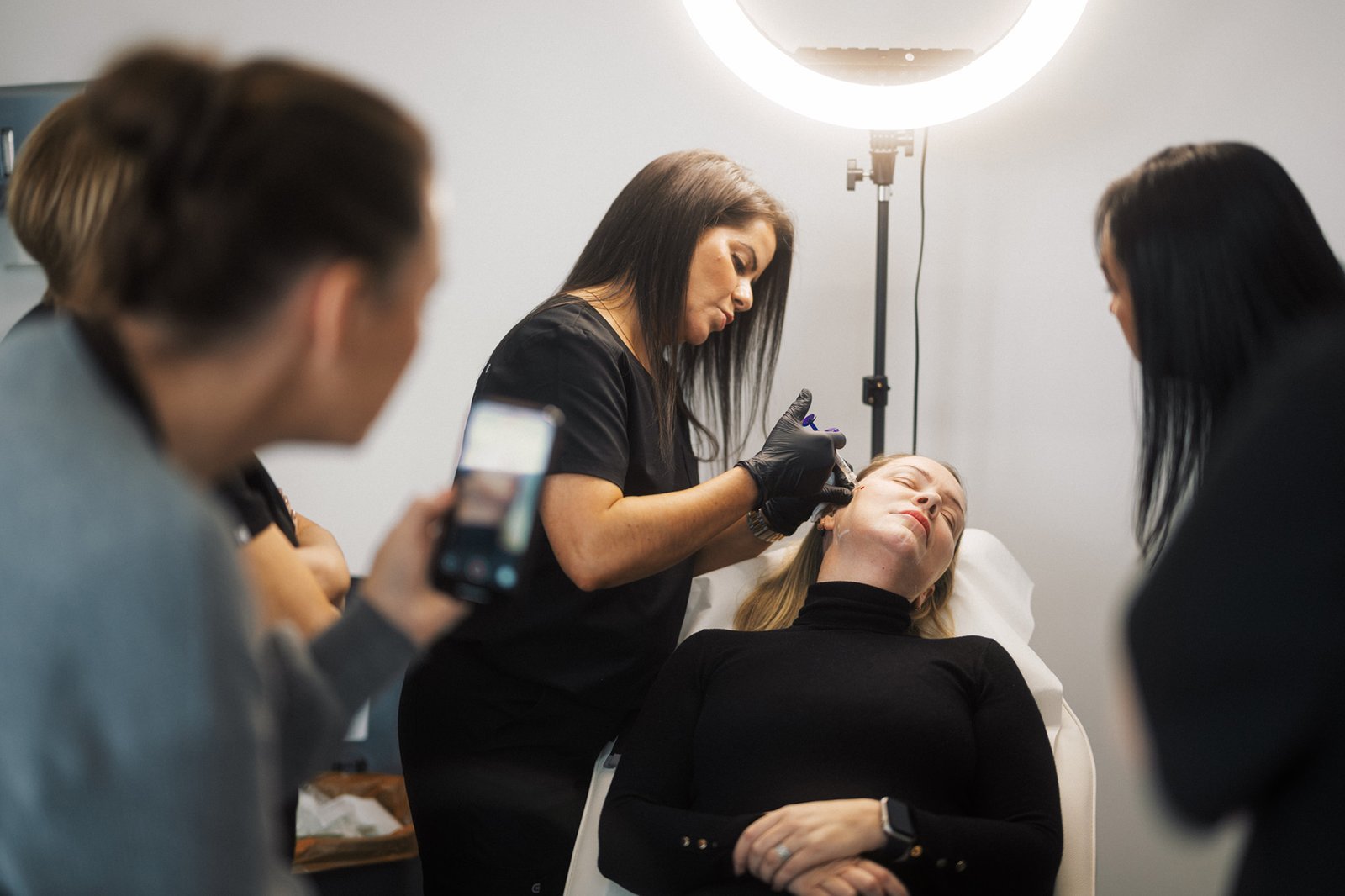
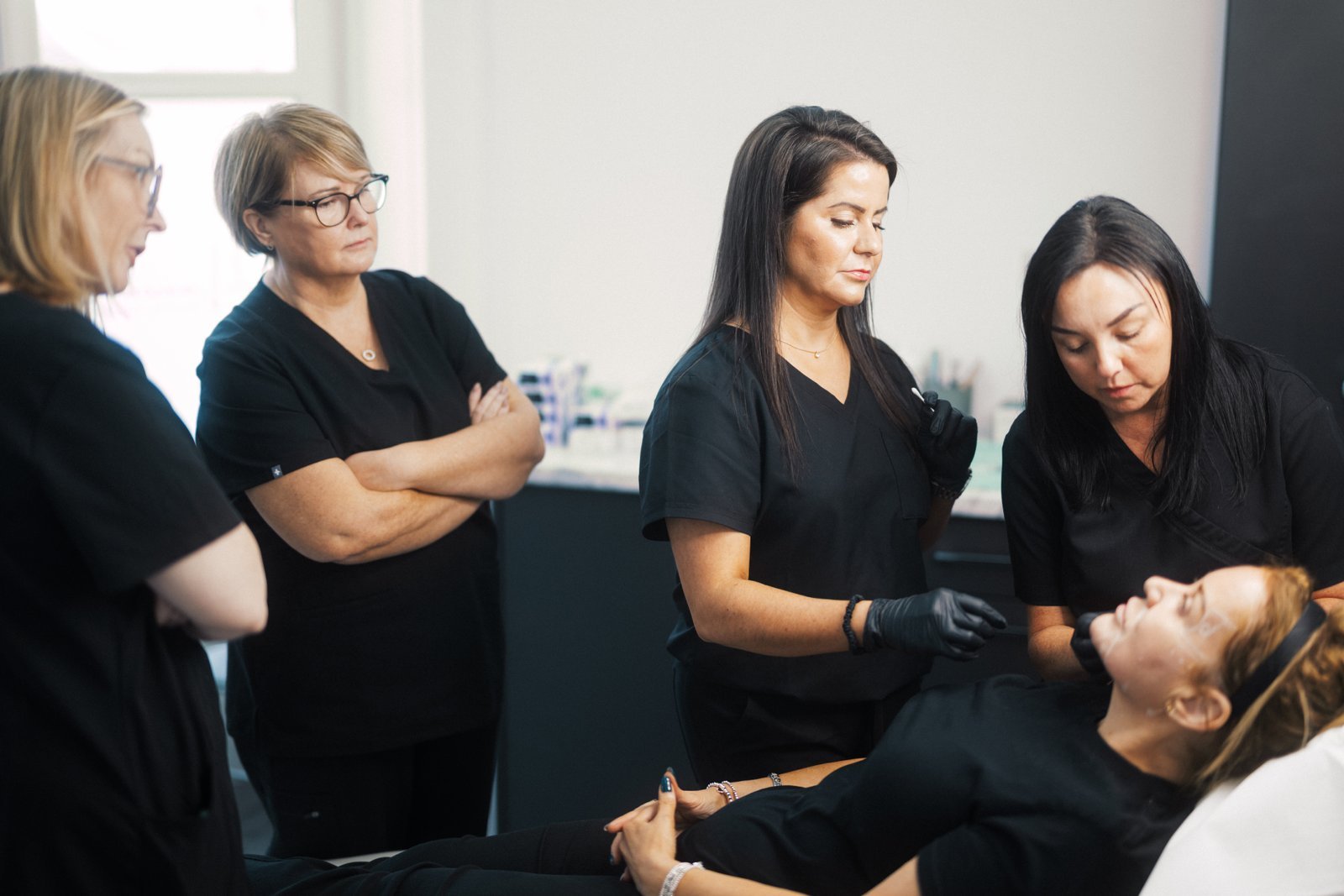
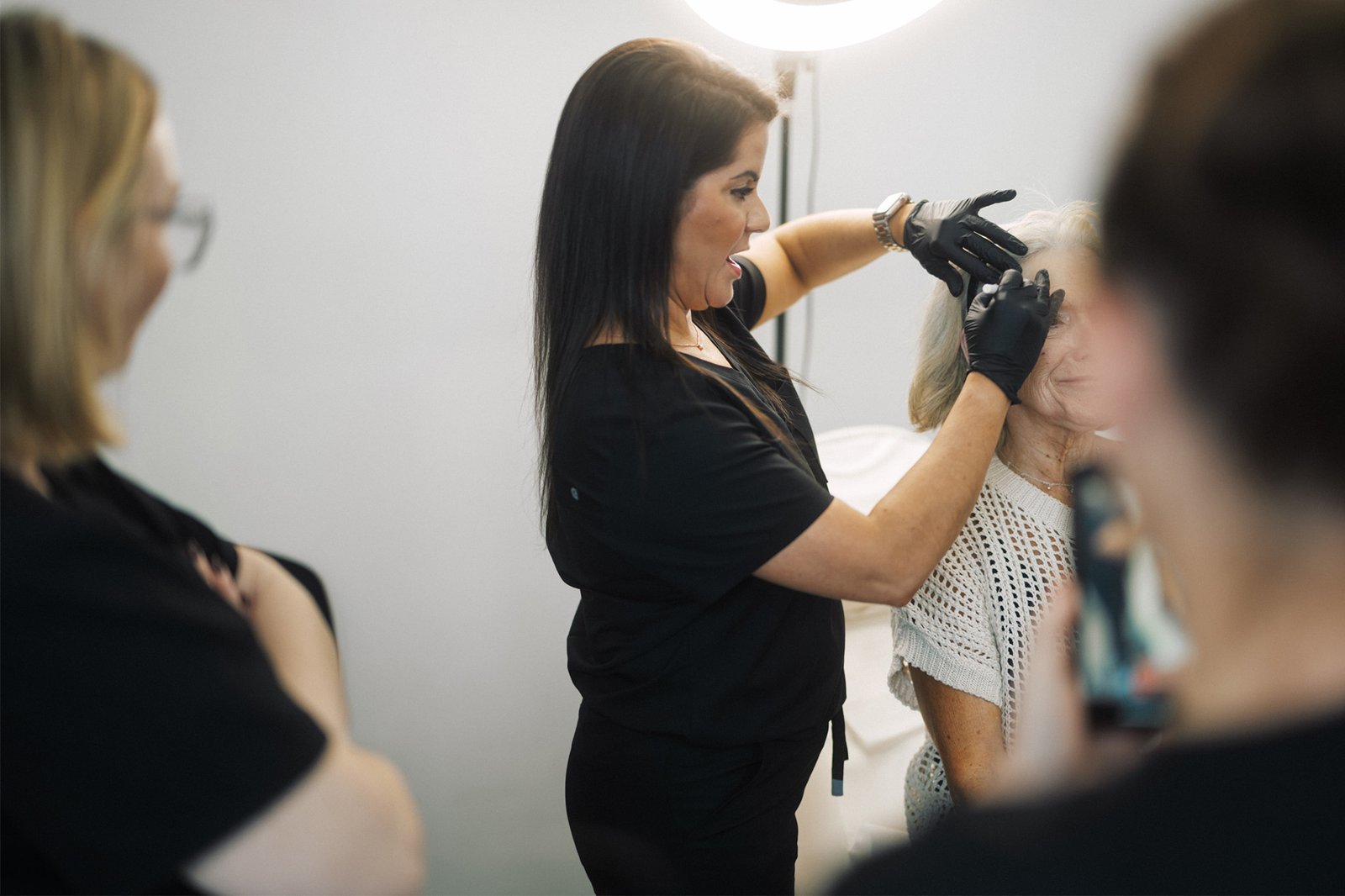
- You inject under close supervision
- You receive immediate feedback and correction
Courses that rely heavily on observation leave new injectors unprepared for independent practice. Without supervised hands-on experience, practitioners struggle to translate theory into safe, repeatable techniques.
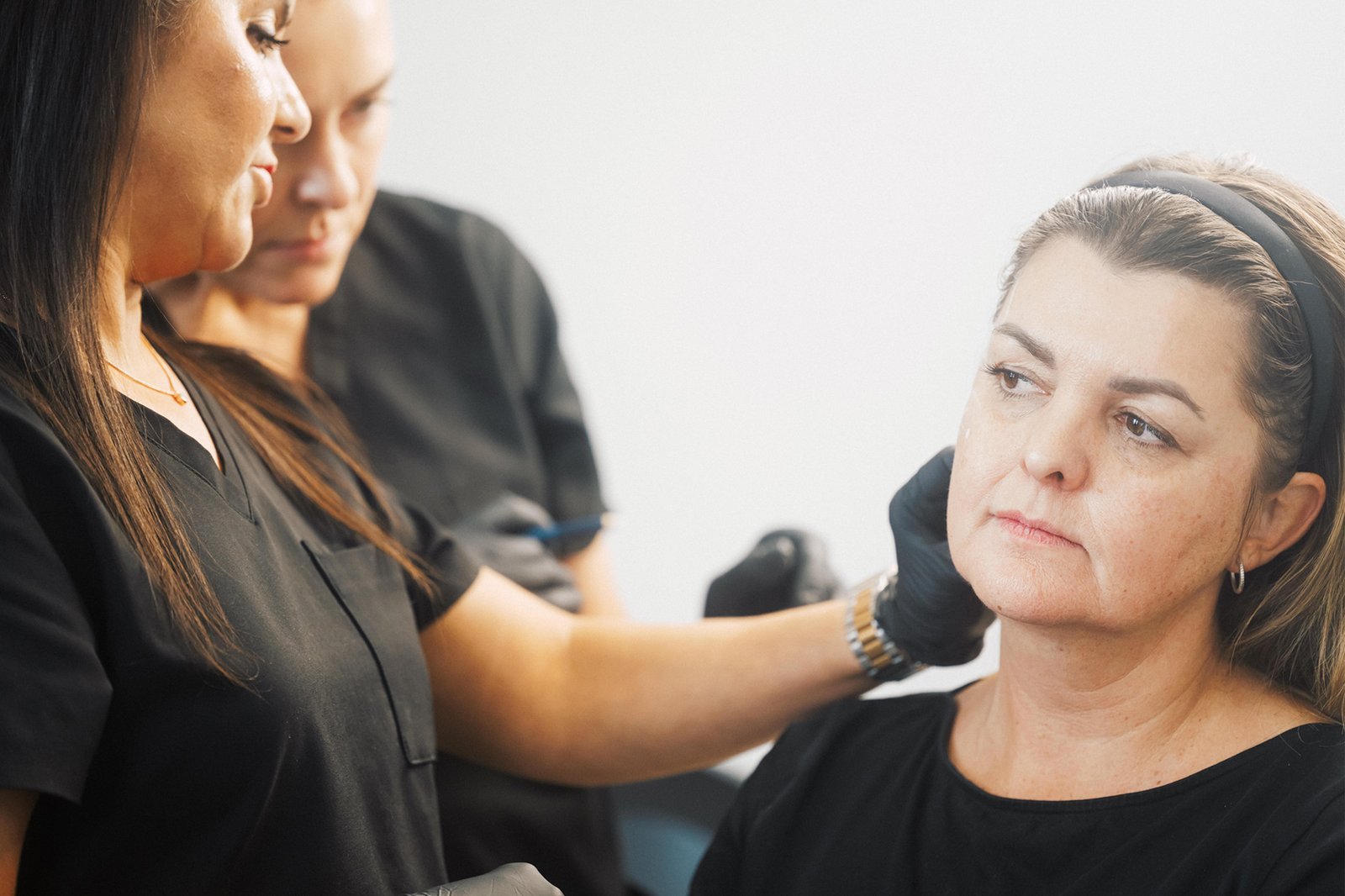
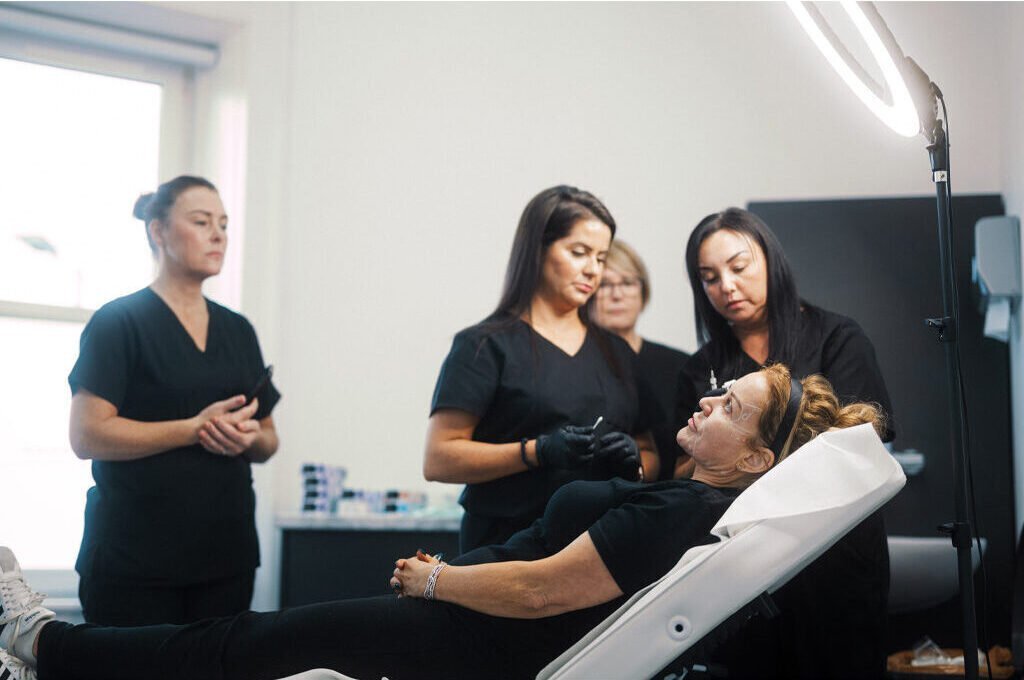
In high-quality medical aesthetics training, supervision is non-negotiable. Experienced clinicians guide hand positioning, injection depth, dosing decisions, and patient communication.
This process builds muscle memory and clinical reasoning, not just confidence, but competence.
In high-quality medical aesthetics training, supervision is non-negotiable. Experienced clinicians guide hand positioning, injection depth, dosing decisions, and patient communication. This process builds muscle memory and clinical reasoning, not just confidence, but competence.
Mistake 3: No Mentorship After the Course
Another major reason Botox courses fail new injectors is what happens after the training day ends or rather, what doesn’t happen.
Many courses offer:
- No follow-up support
- No access to trainers
- No guidance on complications or case selection
- No pathway to advanced skills
But learning medical aesthetics doesn’t stop once the certificate is issued. In fact, that’s when the real learning begins.
New injectors inevitably face questions, uncertainties, and unusual cases. Without mentorship, many practitioners either stop practicing altogether or remain stuck at a basic level, afraid to progress.
Ongoing mentorship provides:
- Clinical reassurance when treating independently
- Advice on complications and patient management
- Support with confidence, consent, and ethics
- A clear route to advanced treatments
Lack of mentorship doesn’t just slow growth; it holds practitioners back entirely.
What Proper Training Actually Looks Like
High-quality medical aesthetics training looks very different from quick, mass-market courses. The best programmes share several key features:
- Small Group Sizes
This ensures every delegate receives individual attention, feedback, and sufficient injecting time. - Real Patients
Training on real patients (not just models or demonstrations) is essential for learning assessment, consent, and outcome management. - Clinical Oversight
Doctor-led supervision ensures treatments are safe, evidence-based, and clinically justified. - Progression Pathways
Training should not stop at foundation level. Clear routes into intermediate and advanced injector training allow practitioners to grow safely and confidently.
Whether you’re considering injector training for the first time or looking to upskill, these standards separate reputable accredited botox courses from those that simply sell certificates.
Why the ATA Is Different
The ATA was built in response to the very failures that leave new injectors unsupported and underprepared. Rather than offering isolated training days, the ATA provides structured, doctor-led education designed for real-world practice.
What sets the ATA apart:
- Doctor-led training with active clinical supervision
- Foundation-to-advanced progression, allowing skills to develop safely over time
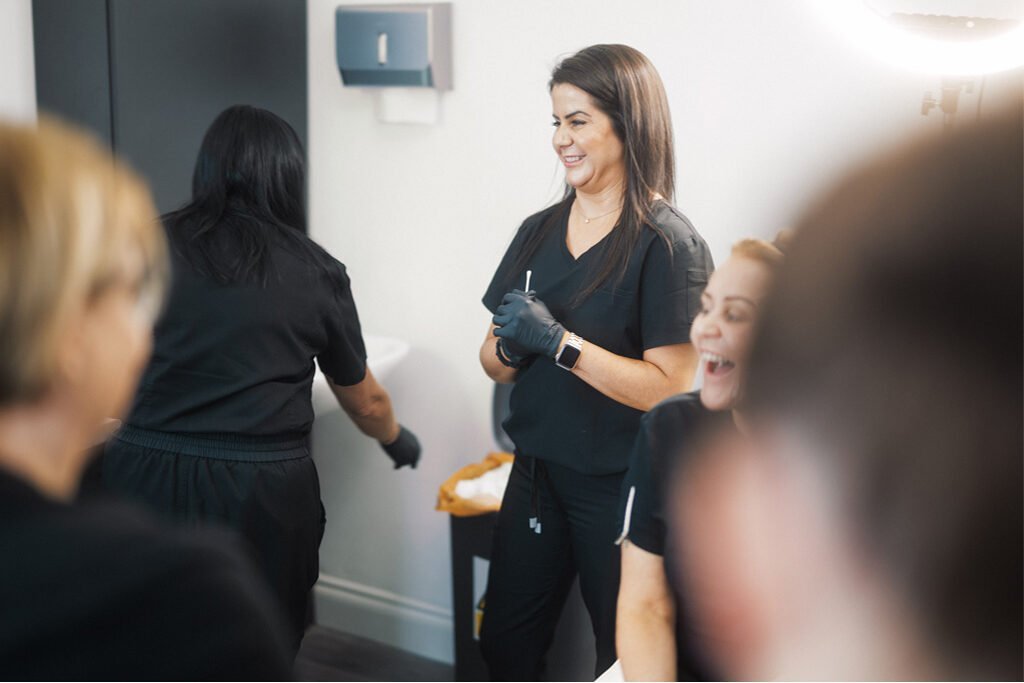
- Small group teaching with real patient experience
- Ongoing clinical support and mentorship after training
Dr Lauren understands that confidence comes from competence and competence comes from proper teaching, repetition, and support. This approach is why practitioners trained through the ATA progress faster, practice more safely, and build stronger patient trust.
For those searching for aesthetic courses in Scotland or across the UK, Dr Lauren’s model bridges the gap between qualification and confident clinical practice.
Conclusion
The aesthetics industry offers incredible opportunities, but only when built on the right foundation. Choosing the wrong Botox course doesn’t just delay success; it can undermine confidence, limit clinical ability, and put patient relationships at risk.
Avoiding common aesthetic training mistakes means looking beyond price and promises. It means choosing medical aesthetics training that prioritises safety, supervision, and long-term development.
Ready To Train Properly?
If you’re serious about building a confident, ethical, and successful career in aesthetics, apply for an ATA training course or speak to the team about your personalised progression pathway.
The right training doesn’t just teach you how to inject; it prepares you to practice with confidence.
Bibliography:
- Canadian Board Aesthetic Medicine – 2025 – Top 5 Common Mistakes New Injectors Make with Botox & Fillers (And How to Avoid Them) [online] Available at:
https://www.cbamedicine.com/blog/common-mistakes-new-injectors-make-with-botox-fillers/ - Apt Injection Training – 2025 – Botox Gone Wrong – What Every Injector Needs to Know to Prevent and Manage Adverse Outcomes [online] Available at:
https://aptinjectiontraining.com/blog/botox-gone-wrong-what-every-injector-needs-to-know-to-prevent-and-manage-adverse-outcomes/ - Cosmetic Courses – 2025 – The Biggest Mistakes New Aesthetic Practitioners Make (and How to Avoid Them) [online] Available at:
https://cosmeticcourses.co.uk/the-biggest-mistakes-new-aesthetic-practitioners-make-and-how-to-avoid-them/