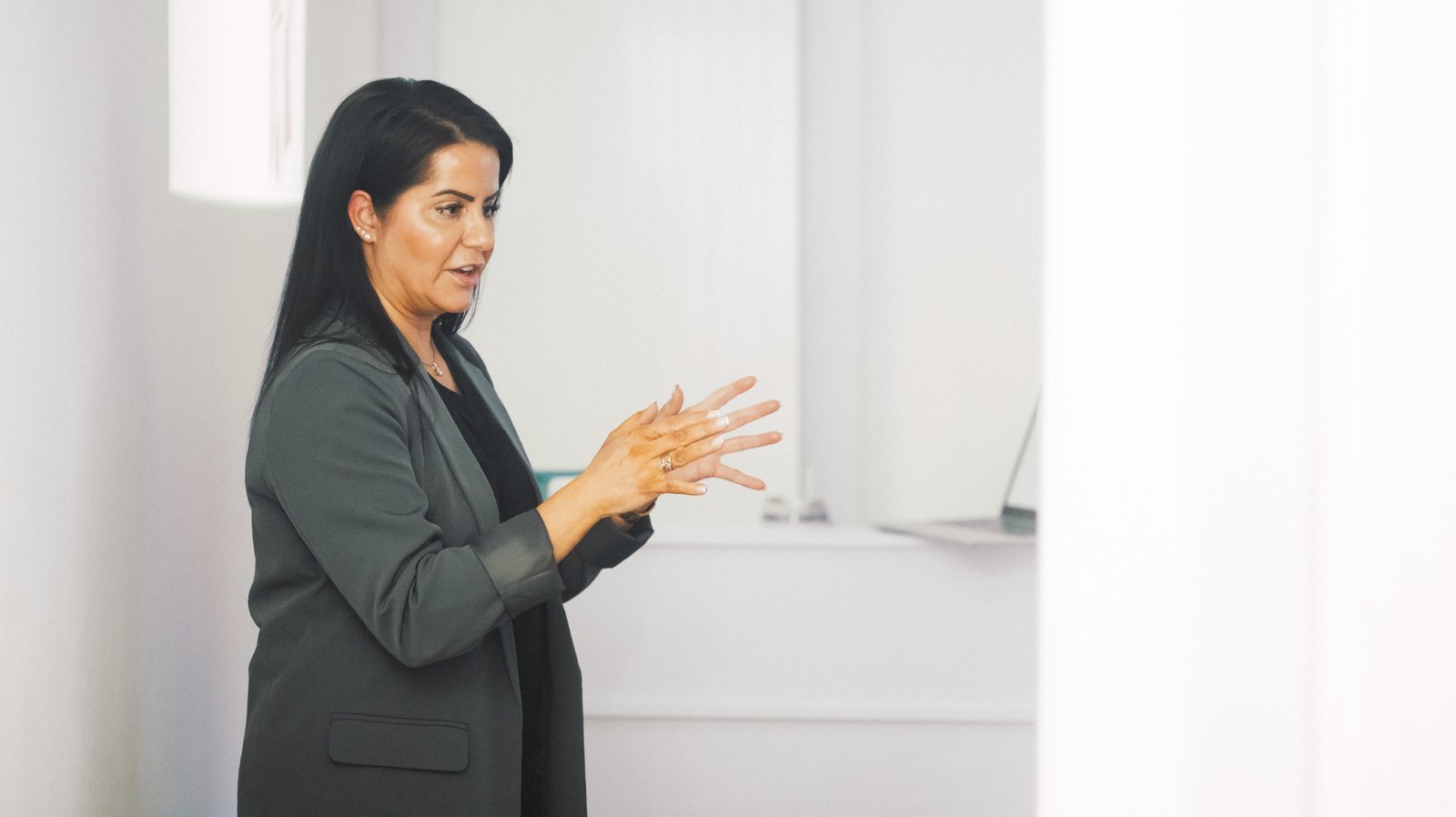
Aesthetic training courses don’t just teach you how to hold a syringe, they teach you how to see a face, read a patient, and think like an aesthetic practitioner. It’s part science, part artistry, and a little bit like learning a new language.
The first lesson is important, but the conversation continues long after, which is why structured aesthetic training support is essential from day one.
Why Post-Course Support Is Essential in Aesthetic Medicine
A short foundation programme cannot prepare a new injector for every anatomical variation, complication, or consultation challenge they will encounter in real practice [1].
Modern education models, therefore, emphasise that injector mentoring is the essential bridge between classroom learning and safe and confident independent practice [5].
Many training providers now recognise that post course mentoring is just as important as the initial qualification itself, as even capable practitioners can feel uncertain when faced with complex patient complications [3].
Without ongoing supervision, practitioners risk professional isolation at the very stage when guidance is needed most [5].
For these reasons, responsible training providers prioritise meaningful aesthetic career support, offering progressive pathways that guide graduates through their early clinical years [2].
At Aesthetic Training Academy, this philosophy is reflected by embedding structured supervision and access to expertise long after certification. Our approach ensures that confidence is built on a foundation of genuine competence.
Model Review Appointments
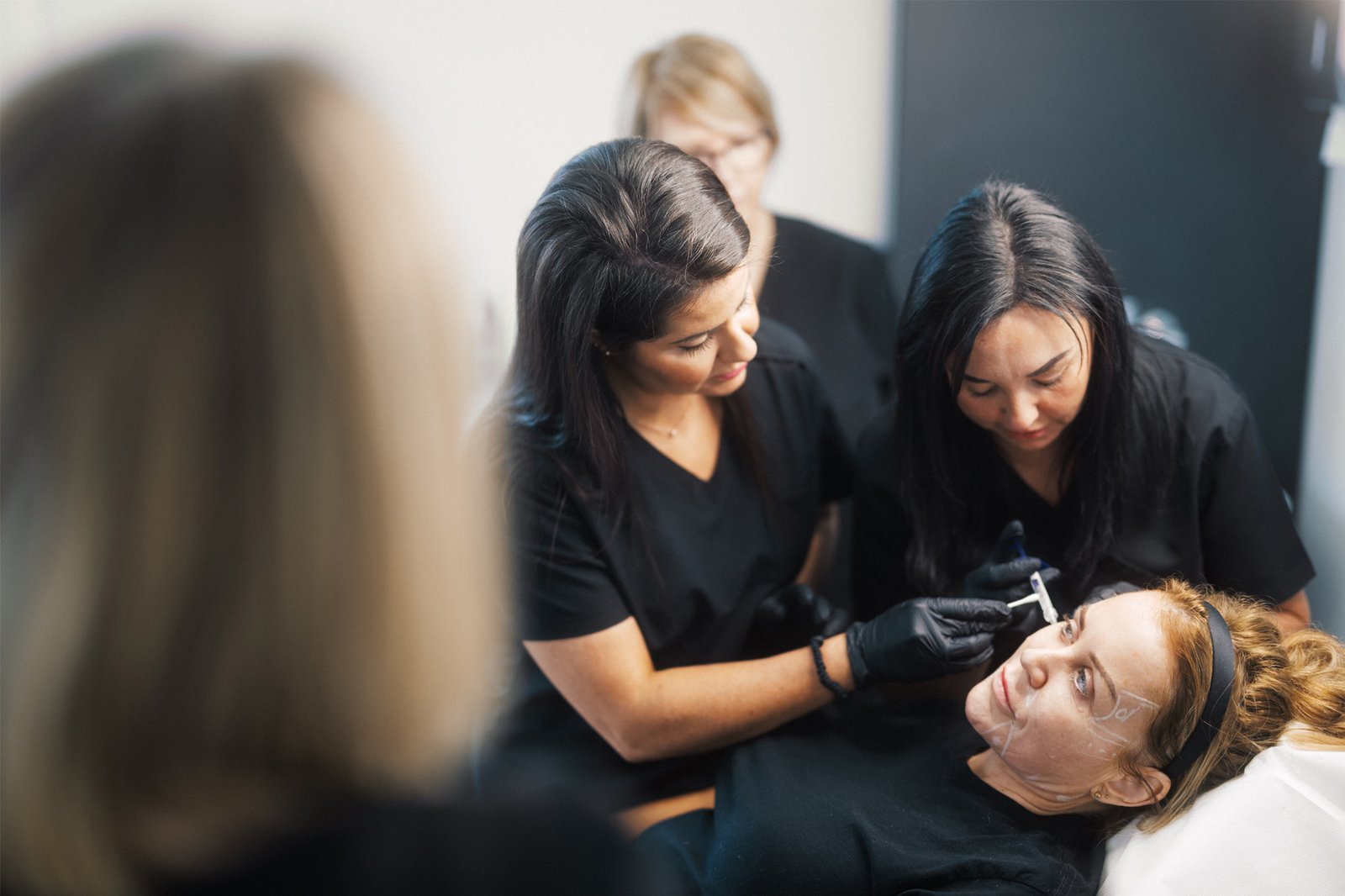
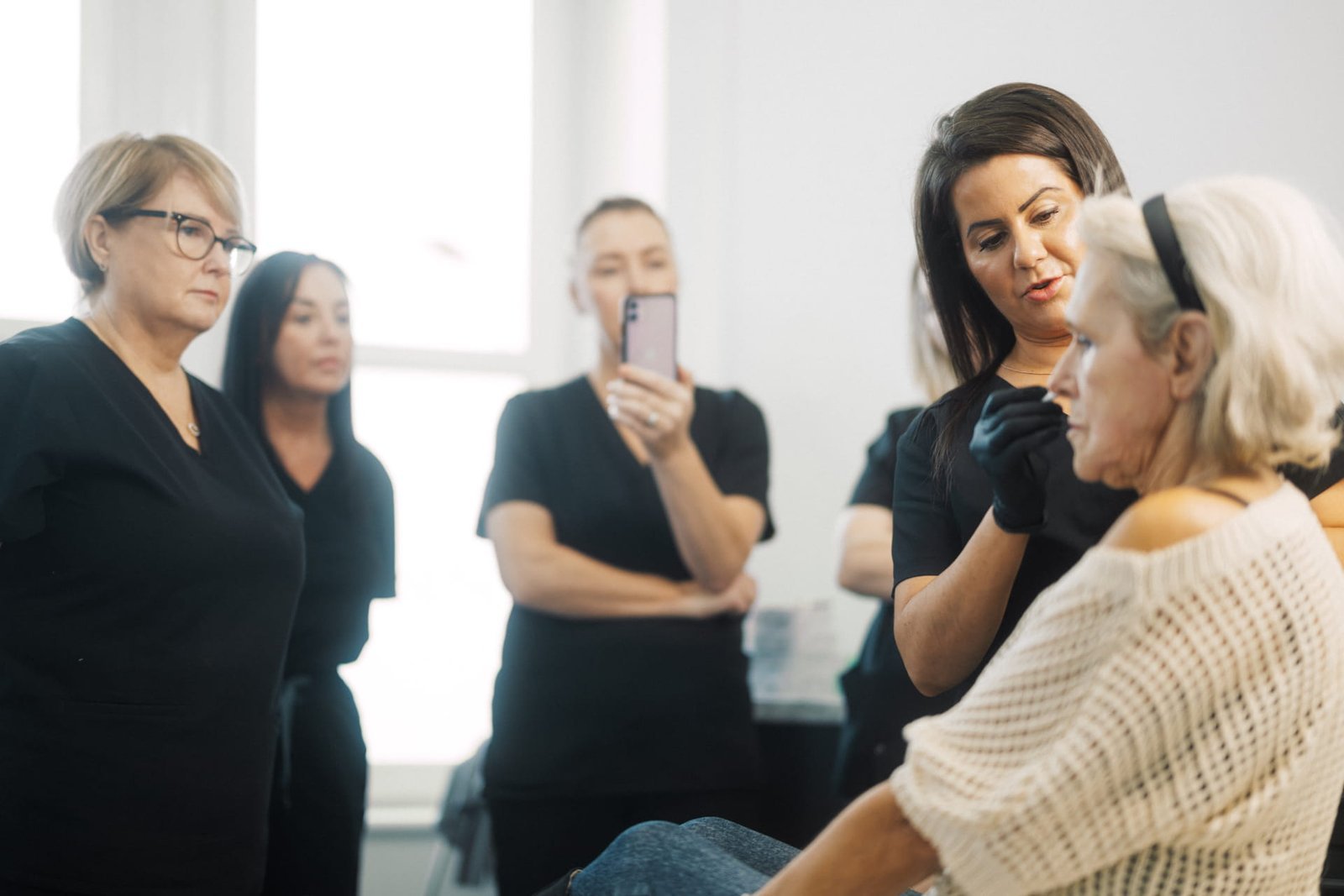
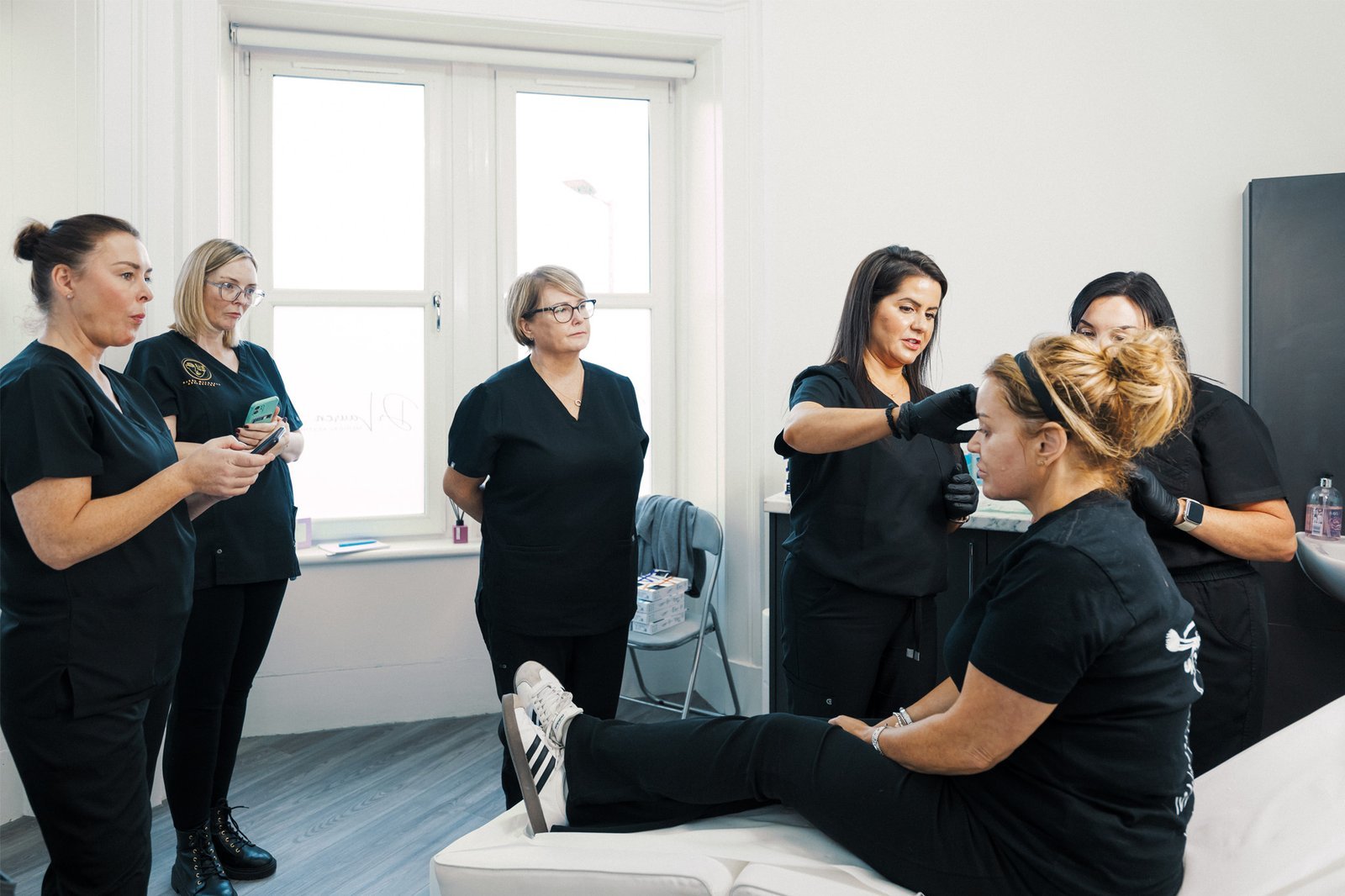
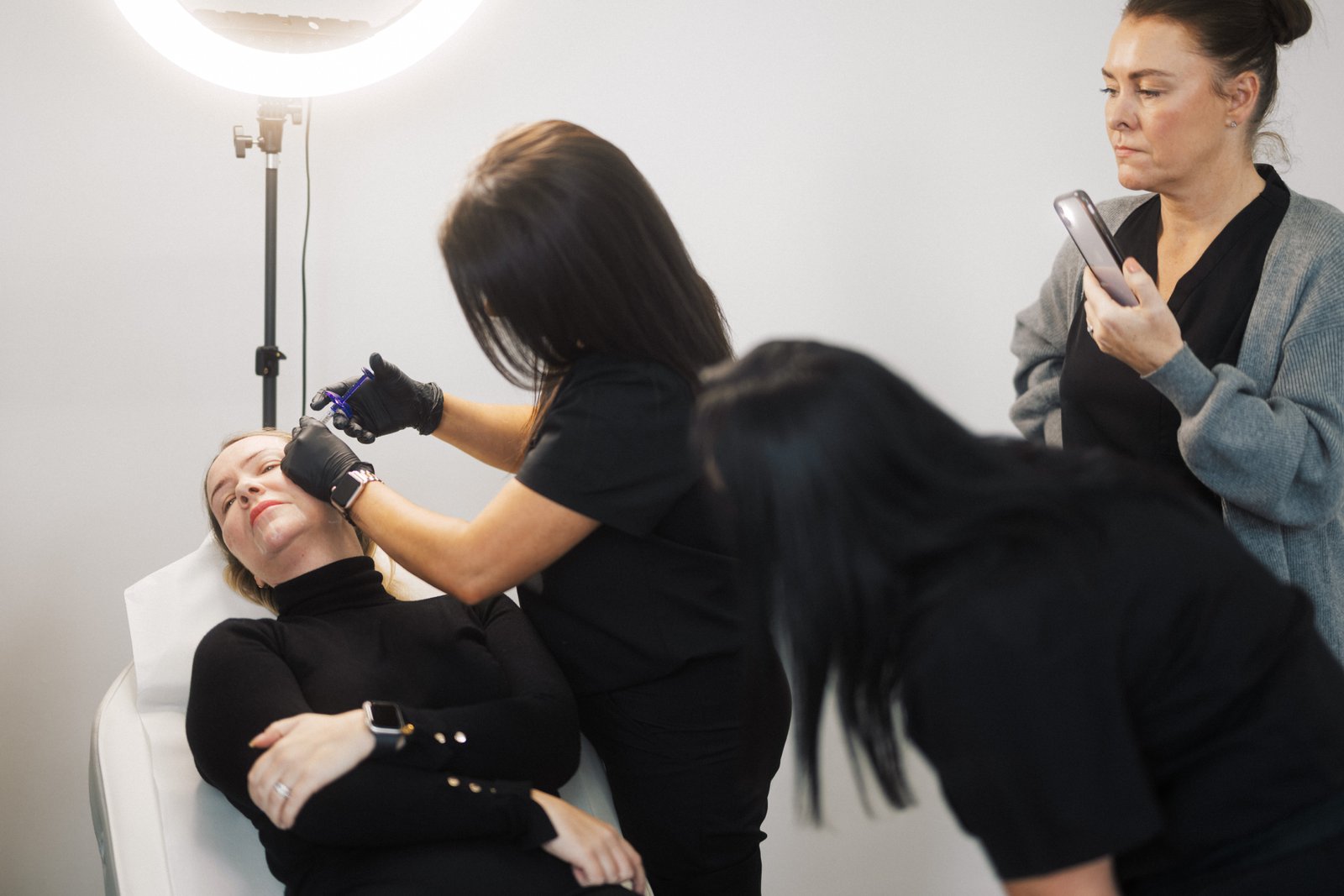
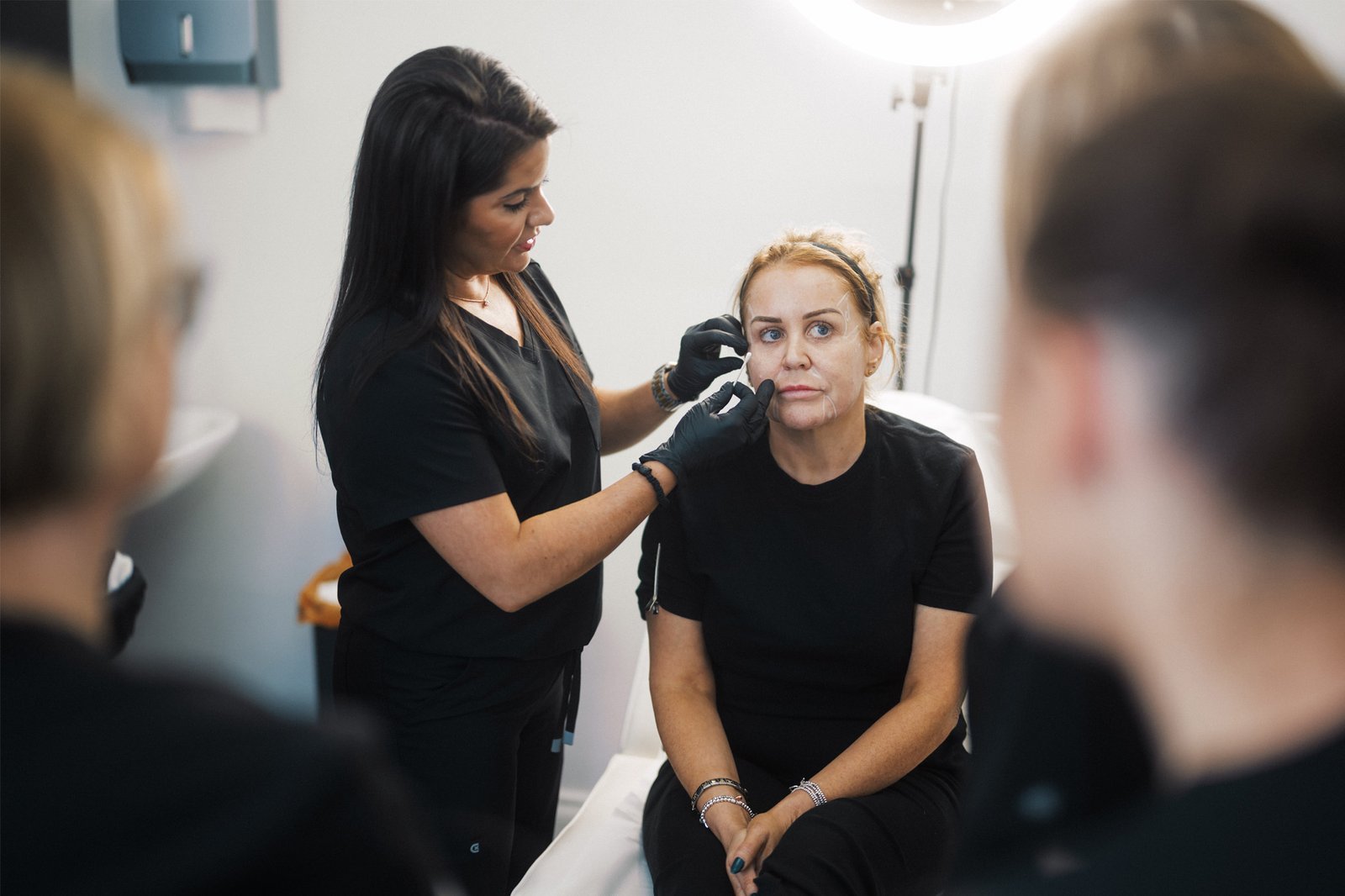
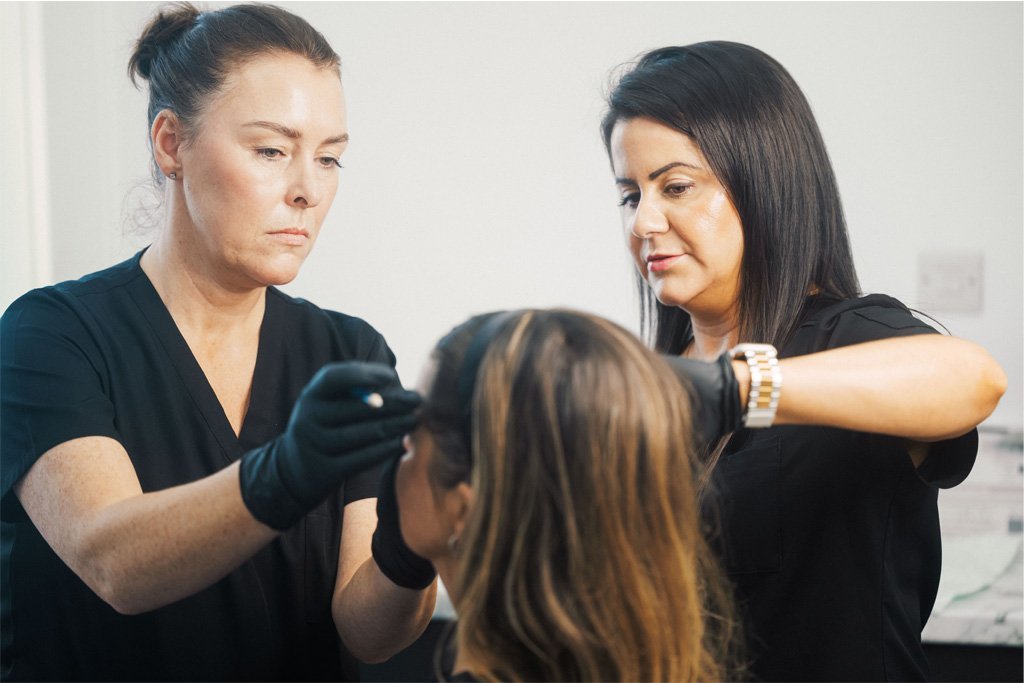
One of the most valuable forms of aesthetic training support is the chance to review live models with an experienced practitioner. This allows new practitioners to present treatment plans and receive corrective feedback before injecting, helping them build safe habits from the start.
Such structured reviews are a cornerstone of post course mentoring, as they reflect what everyday clinic life truly looks like [5].
Experienced aesthetic trainers can assess consent, facial assessment, and product choice while the learner remains in a supportive and protected environment [3].
This style of injector mentoring helps slow the process down, discouraging rushed decisions and encouraging subtle and ethical results [5].
Within our ATA training, review clinics are designed to build confidence rather than push graduates beyond what feels comfortable. Practitioners who attend supervised reviews tend to progress more safely and consistently [1].
This is because gentle and ongoing critique ensures that the standards learned during training don’t fade with time, but instead become part of daily clinical practice.
WhatsApp Student Group and Peer Learning
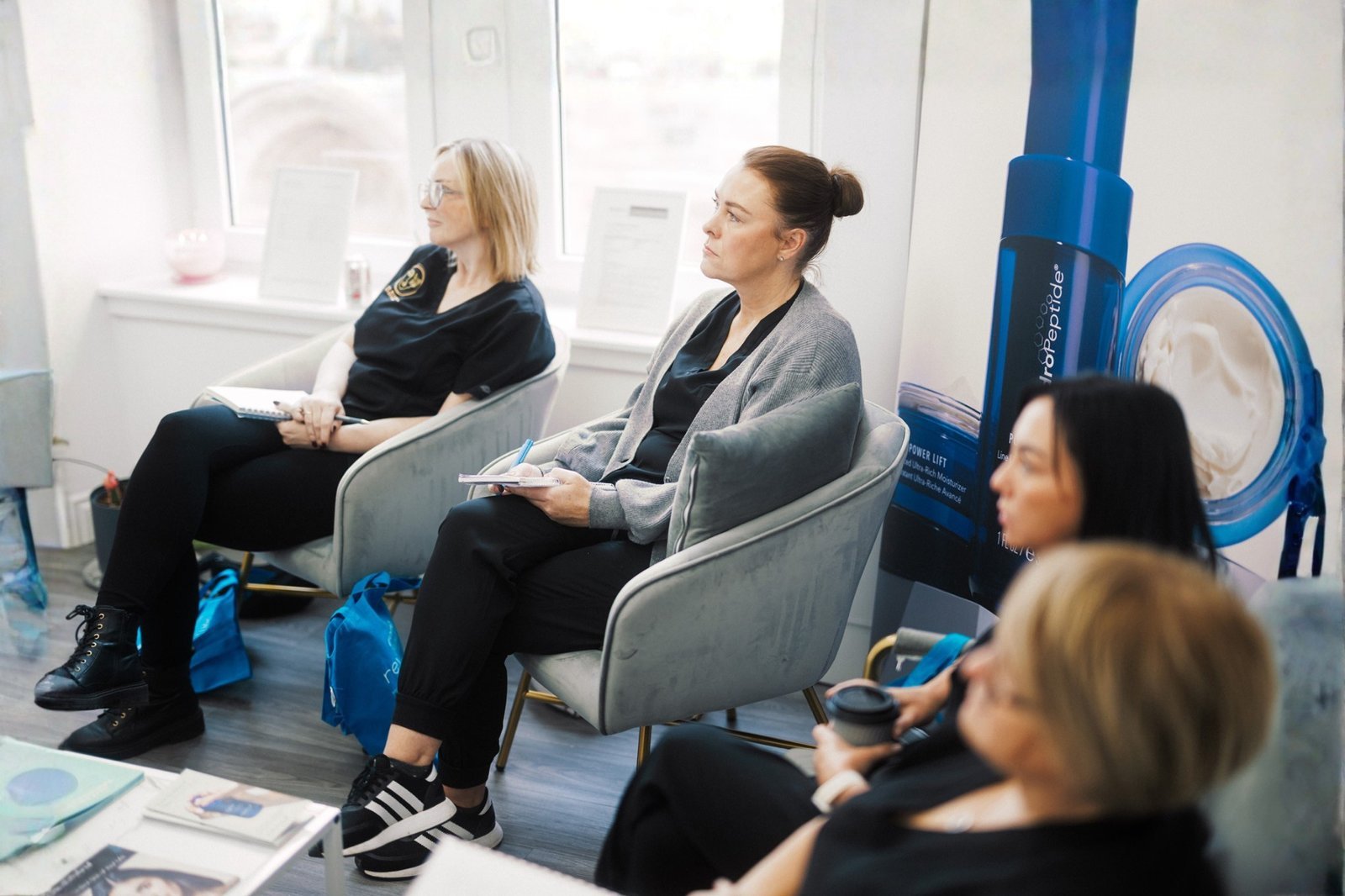
Digital communities have quietly become a natural extension of aesthetic career support, changing the way practitioners continue to learn once the course is over.
Many training providers now host moderated WhatsApp groups where graduates can chat about cases, share photographs, and ask for advice in real time, almost like having a clinic team in your pocket.
These collaborative spaces strengthen post course mentoring by allowing practitioners to learn from one another’s experiences:
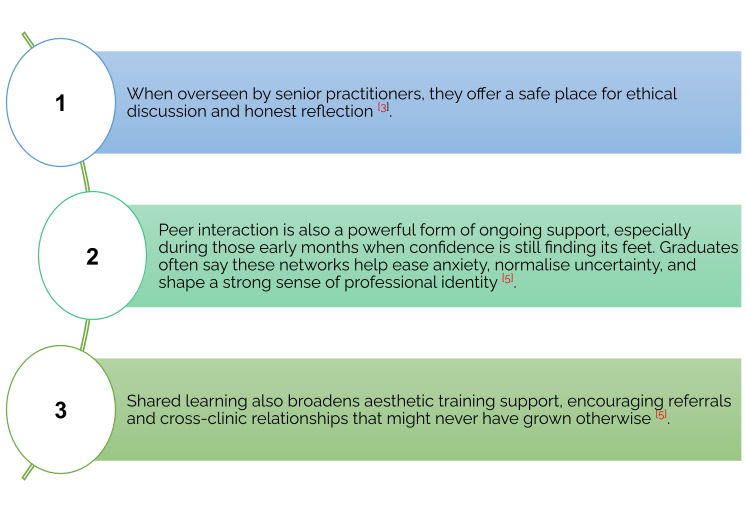
As part of our ATA training approach, peer engagement is treated as an ongoing classroom that continues long after certificates are issued.
The immediacy of digital communication means guidance can be sought before a small concern has the chance to become a bigger problem.
And in an industry where techniques and standards evolve so quickly, this collective intelligence helps practitioners stay aligned with current best practice.
Ongoing Mentoring From Dr Lauren
Direct access to an experienced doctor is at the heart of high-quality aesthetic training support. Dr Lauren’s involvement offers long-term aesthetic career support, helping practitioners develop ethical treatment values and patient-centred communication.
Her approach reinforces strong medical governance and a culture where patient wellbeing always comes first.
During our ATA training, practitioners learn not only how to inject but how to truly think like medical professionals, placing careful assessment above product sales and trends.
Dr Lauren tailors post course mentoring to each clinician’s pace, confidence, and interests, recognising that no two learning journeys look the same.
These dedicated injector mentoring treatments focus on real-world skills such as complication management, consultation psychology, and advanced facial assessment. Regular supervision provides gentle accountability and a steady safeguard against unsafe social media fads [3].
Over time, this ongoing relationship becomes the foundation of meaningful aesthetic career support, allowing practitioners to find their own voice and professional style.
The Associate Practitioner Programme Is a Growth Pathway
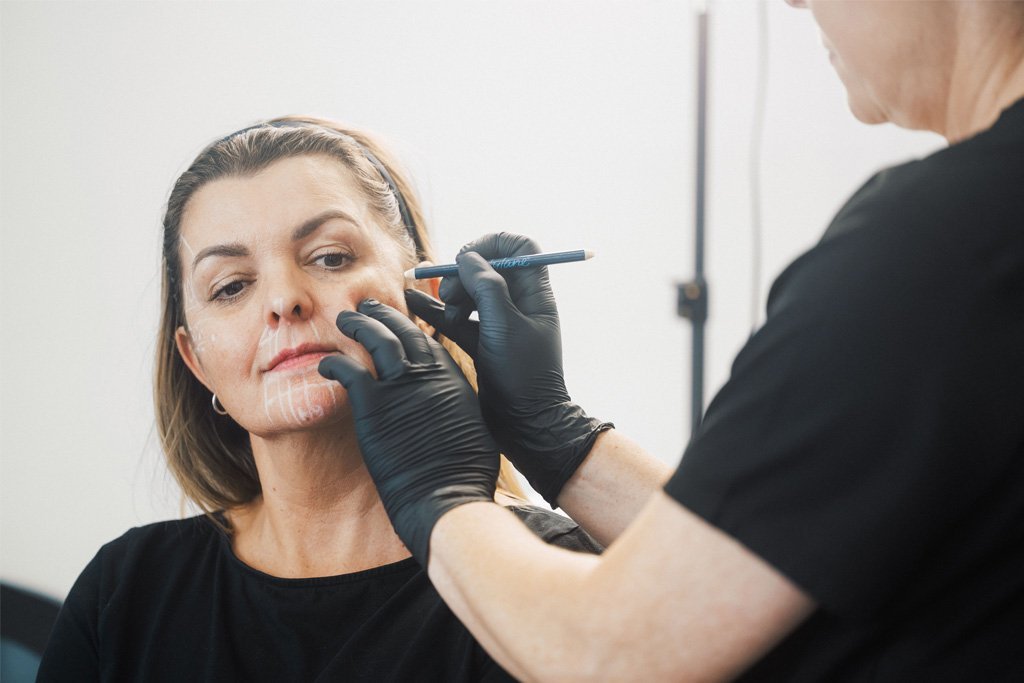
For those ready to take the next step after their initial course, our Associate Practitioner Programme offers ongoing post course mentoring within a real clinic environment.
Associates are welcomed into a fully equipped clinic space and gain visibility through a personalised profile and booking page.
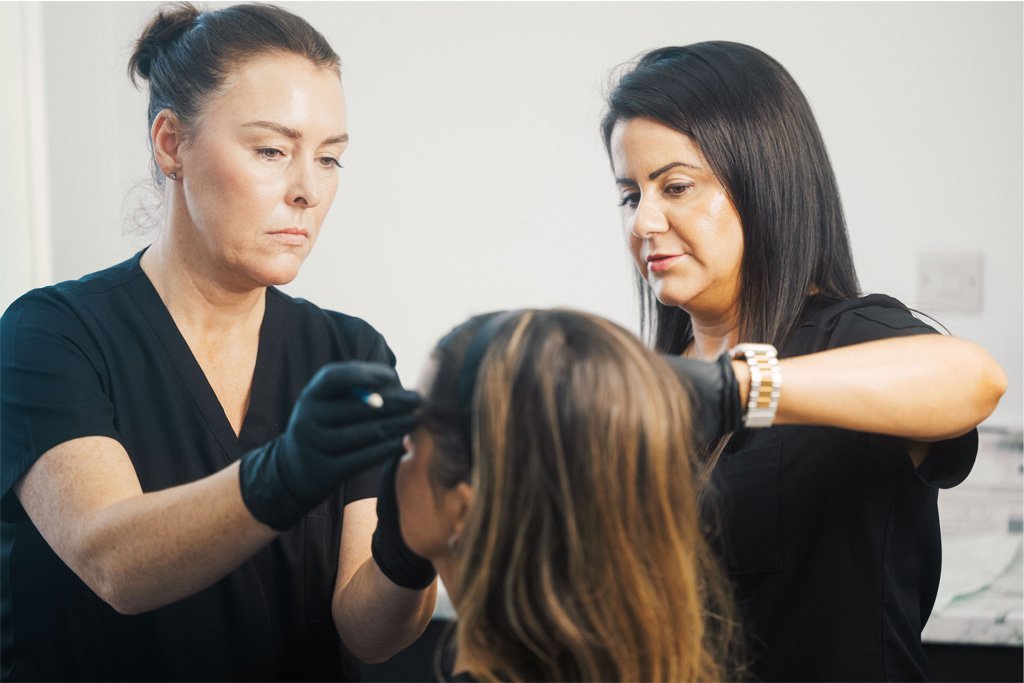
Practitioners work alongside Dr Lauren and the clinic team, benefiting from steady guidance and the kind of supportive professional community that makes learning feel far less daunting.
Practitioners receive personalised injector mentoring from Dr Lauren and become part of a wider network of practitioners.
The programme places a strong emphasis on connection and collaboration through regular meetups and an active WhatsApp group, where practitioners can share experiences, ask questions, and seek advice in a welcoming and non-judgmental setting.
Rather than working in isolation, practitioners are supported as they find their footing in the field and connect with like-minded colleagues who understand the same challenges and milestones.
By bringing together mentorship, community, and real-world exposure, our Associate Practitioner Programme reflects the belief that professional growth happens gradually and not overnight.
The end of a course should be an open door to mentorship, not a farewell. If you are ready to build your future with structured guidance and a doctor-led community, we invite you to join the ATA and continue learning in a truly supported environment.
Bibliography:
- Acquisition Aesthetics. (2024). Aesthetic skin courses: what to expect. [online] Available at:
https://www.acquisitionaesthetics.co.uk/blog/aesthetic-skin-courses-what-to-expect - Acquisition Aesthetics. (2024). How to become an aesthetician. [online] Available at:
https://www.acquisitionaesthetics.co.uk/blog/how-to-become-an-aesthetician - Clinic By La Ross. (2024). Red & green flags to look out for in aesthetics training companies. [online] Available at:
https://www.clinicbylaross.co.uk/post/red-green-flags-to-look-out-for-in-aesthetics-training-companies - Dr Lauren. (n.d.) Associate Practitioner Programme. [online] Available at:
https://drlauren.co.uk/associate-practitioner-programme/ - Glowday. (2024). Not all aesthetics training providers are the same. [online] Available at:
https://www.glowday.com/blog/not-all-aesthetics-training-providers-are-the-same.