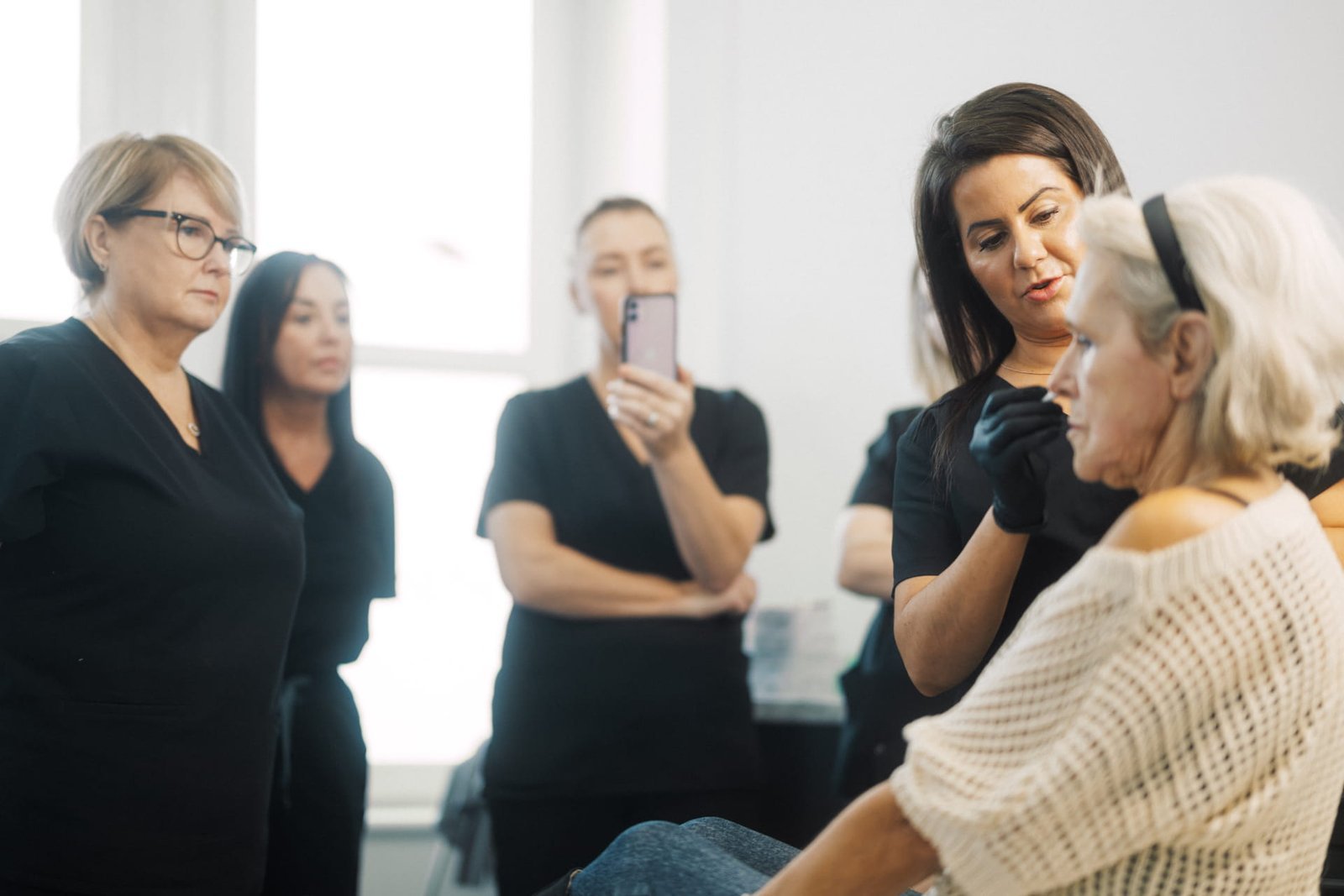
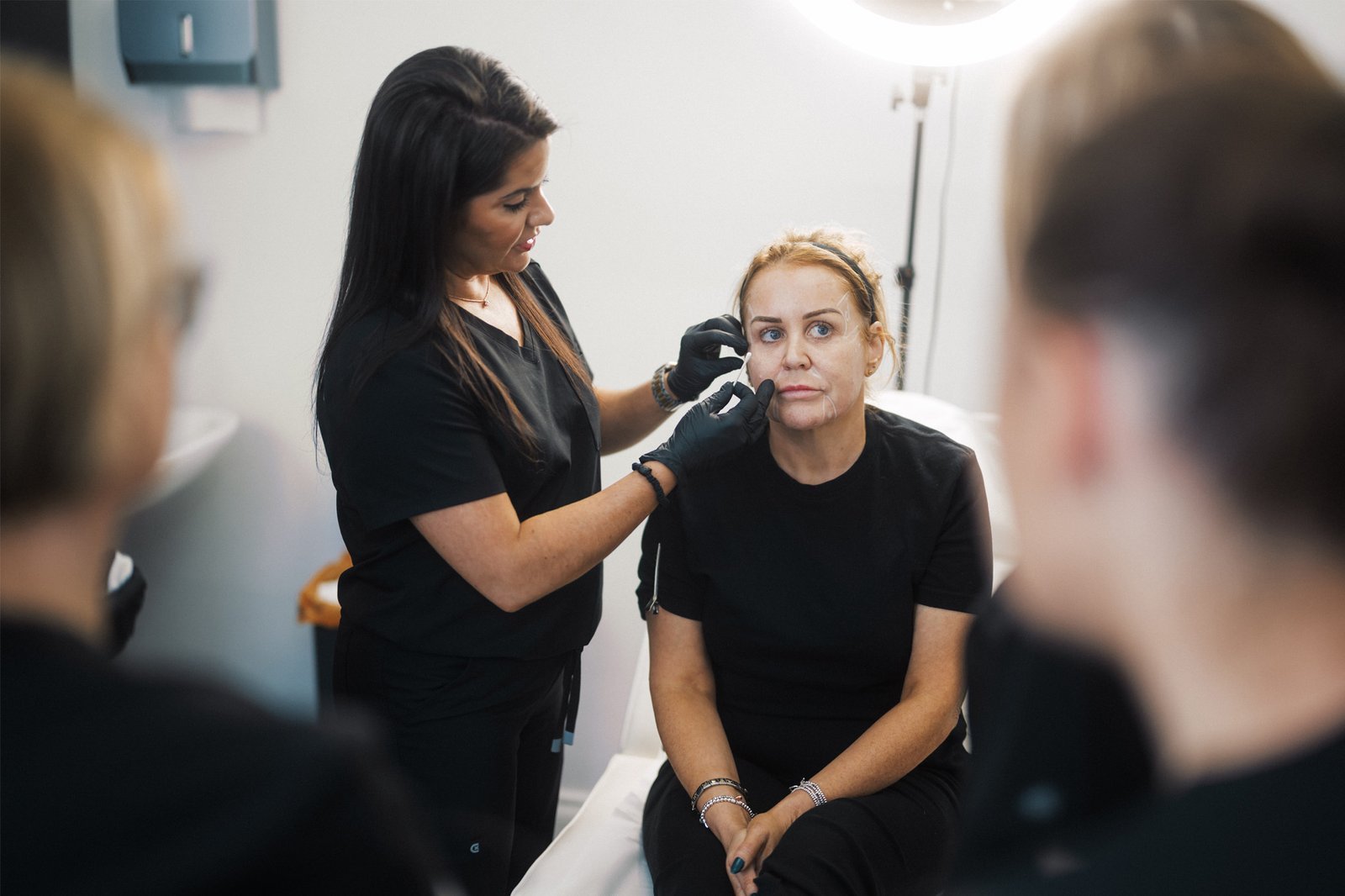
Choosing the right foundation aesthetics course is about more than learning injection techniques, it is about developing the habits, judgement, and confidence needed to practise safely throughout your career in medical aesthetics.
At ATA, we believe that the real learning begins once delegates start treating patients in the real world. That’s why every delegate returns two to four weeks after completing their foundation aesthetics training for a dedicated model review appointment.
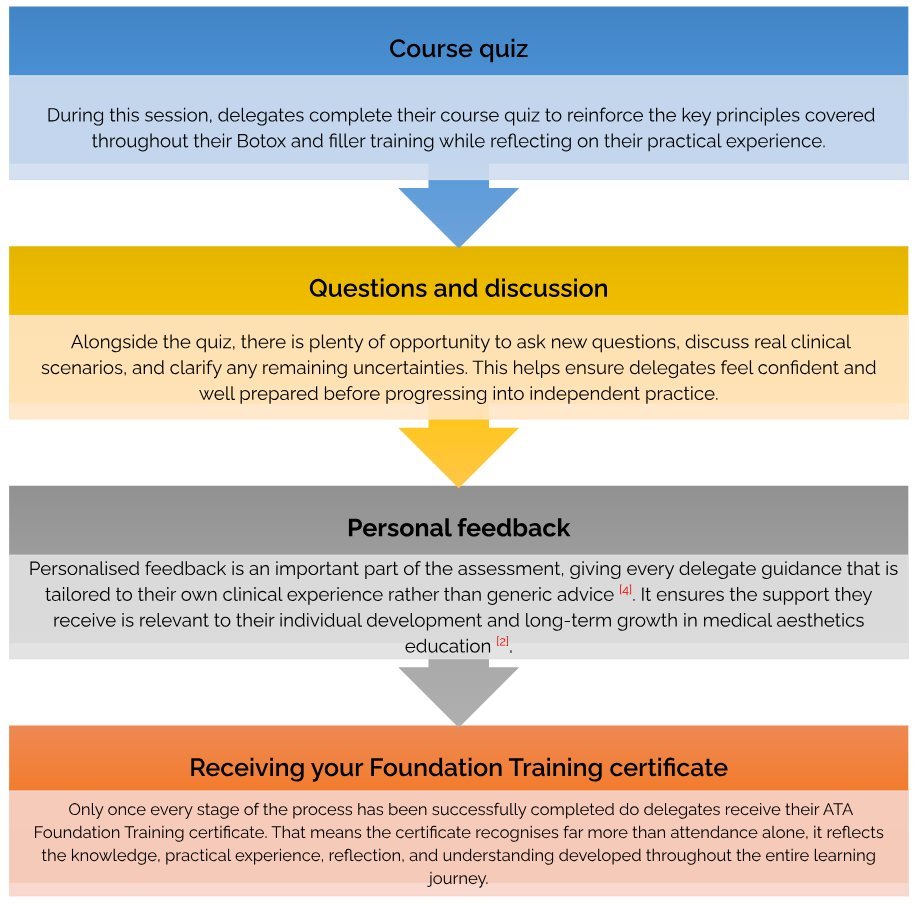
During this session, they review their first treatment outcomes, reflect on their learning, receive personalised feedback, and complete their certification.
Rather than ending when you leave on training day, your foundation aesthetics course continues with this comprehensive post-training review, ensuring your learning extends well beyond the classroom.
This approach makes our foundation aesthetics training far more than a single day of Botox and filler training, it marks the beginning of an ongoing commitment to safe practice, reflective learning, and continuous professional development.
Learning Doesn’t Stop on Course Day
Completing an aesthetics course in Glasgow is an important first step, but it’s only the beginning of becoming a confident and competent practitioner.
The real learning starts once you leave the training room and begin applying your knowledge in a real clinical setting. It’s through treating your own model, making clinical decisions, and reflecting on each experience that your skills begin to grow beyond what can be taught during the course [1].
From your very first independent treatment, you’ll quickly realise that there’s a big difference between learning a technique and applying it in practice.
Every consultation, assessment, and injection helps reinforce the knowledge gained during Botox and filler training, while also highlighting opportunities to reflect, improve, and build greater confidence for next time [1].
It’s this ongoing cycle of practical experience and reflection that develops both competence and injector confidence, laying the foundation for safe, high-quality medical aesthetics training throughout your career [2].
For delegates completing aesthetics training in Scotland, these early treatments offer far more than the chance to practise injection techniques.
They provide the opportunity to see how results develop over time, helping delegates understand that successful aesthetic outcomes are judged over days and weeks, not just in the moments immediately after treatment [3].
Why We Bring You Back
One of the things that makes ATA Foundation Training different is what happens after the initial training day. Instead of simply completing an aesthetics course in Glasgow and receiving a certificate, delegates are expected to return for a dedicated model review appointment.
Two to four weeks after completing their foundation aesthetics course, delegates return with the model they have treated so the results can be reviewed together in a supportive learning environment.
This gives them the opportunity to discuss clinical outcomes, reflect on their experience, and receive personalised feedback at a stage when the treatment results can be properly assessed [4].
During the review, delegates are encouraged to celebrate what went well while also talking openly about any challenges they experienced during their first independent treatments [4].
That’s because every treatment offers an opportunity to learn. By discussing areas for improvement in a supportive environment, delegates develop the confidence to keep refining their skills [4].
The review appointment also gives delegates the chance to ask the questions that naturally arise once they have started treating patients, ensuring their learning continues well beyond the initial Botox and filler training day [2].
It’s through these conversations, alongside honest reflection on real clinical experiences, that delegates continue to grow. This reinforces the importance of reflective practice within medical aesthetics training and highlights that continuous improvement is an essential part of becoming a safe and confident practitioner [3].
Reflection Creates Better Practitioners
At ATA, reflection is much more than a step to complete at the end of your foundation aesthetics training. It’s a valuable part of the learning process, helping delegates build stronger clinical judgement, recognise opportunities for improvement, and become more confident practitioners with every treatment they perform [1].
During the ATA Model Review Appointment, delegates have the opportunity to talk openly about their first clinical experiences in a supportive learning environment.
These conversations with experienced trainers provide constructive feedback, one of the most valuable aspects of foundation aesthetics training, helping delegates understand what went well and why certain clinical decisions led to successful outcomes [4].
Rather than focusing on mistakes, these discussions help identify opportunities to strengthen consultation skills, patient assessment, treatment planning, and injection technique [4].
This allows delegates to continue developing their clinical confidence and competence.
As delegates continue their aesthetics training in Scotland and gain more clinical experience, they also develop stronger clinical reasoning, enabling them to make more confident decisions during future patient consultations [2].
That’s why ATA’s doctor-led aesthetics training places such a strong emphasis on reflection.
Completing Your Foundation Journey
The Model Review Appointment marks the final stage of your foundation aesthetics course, bringing together everything you’ve learned since your initial training day.
Why This Makes ATA Different
As a trusted aesthetics academy, ATA believes that becoming a safe and confident practitioner takes far more than a single day of learning. While many providers focus primarily on delivering knowledge during one teaching day, our commitment extends well beyond the classroom.
This philosophy is what sets our foundation aesthetics training apart from many other providers offering aesthetics training in Scotland.
At ATA, through ongoing guidance, aesthetics mentorship, and structured follow-up, delegates continue to receive the support and encouragement they need in real clinical settings.
By combining practical experience with honest reflection and constructive feedback, this continued support helps practitioners build the injector confidence and clinical judgement needed to deliver safe, patient-centred care throughout their careers.
The Beginning of Your Career
Completing foundation aesthetics training is an important milestone, but it’s only the beginning of your journey in aesthetic medicine.
As your experience grows, so should your knowledge. That’s why ATA encourages delegates to continue developing through further courses, advanced education and ongoing engagement with the ATA community.
Whether your goal is to expand your clinical skills, progress within doctor-led aesthetics training, or continue your medical aesthetics education, it all starts with a strong foundation.
Your first foundation aesthetics course provides the knowledge, confidence, and experience to support every stage of your future learning and professional development.
Explore Foundation Training
Through our unique Model Review Appointment, personalised feedback, and commitment to ongoing learning, ATA continues to support practitioners long after the course day has finished.
This ongoing guidance helps our delegates become safe, reflective, and confident professionals from the very start of their careers. So, if you’re considering aesthetics training in Scotland, discover how our approach to foundation aesthetics training can support your development every step of the way.
We often think healthy skin comes down to good genes, but the reality is that our daily habits have a far greater influence. The skincare products we choose and the routines we follow all play an important role in keeping our skin healthy. That’s why modern medical aesthetics is increasingly
The medical aesthetics business has evolved dramatically over the last decade. While advanced clinical skills remain essential, they are only one part of building a thriving practice. Today’s practitioners operate in a competitive private healthcare environment where success depends on combining excellent patient care with sound business principles. Whether you’re
Choosing the right foundation aesthetics course is about more than learning injection techniques, it is about developing the habits, judgement, and confidence needed to practise safely throughout your career in medical aesthetics. At ATA, we believe that the real learning begins once delegates start treating patients in the real world.
Starting a career in medical aesthetics is an exciting step, and it is natural to want to prepare as much as possible before your first training day. Many people assume that receiving hours of videos, lengthy manuals and extensive reading materials before a course will give them a head start.
In modern aesthetic medicine, successful treatment is no longer defined by simply correcting an isolated concern. Patients are not collections of individual features They are individuals with unique facial anatomy, personal motivations, emotional concerns, and long-term goals. Yet despite this, many aesthetic consultations still focus too heavily on a single
It’s easy to get carried away when a treatment appears to be working well. We’ve all seen how quickly the idea of “just a little more” can change the direction of a result. That’s why one of the biggest misconceptions in aesthetics is that better results come from doing more